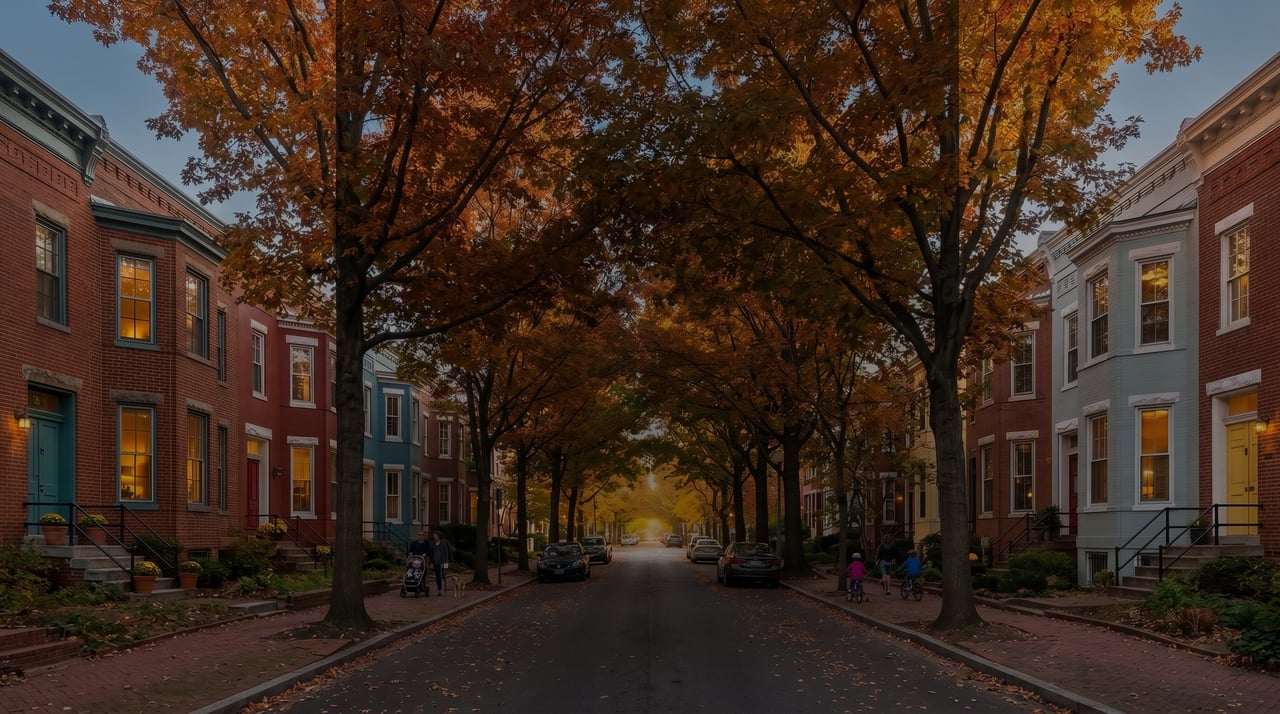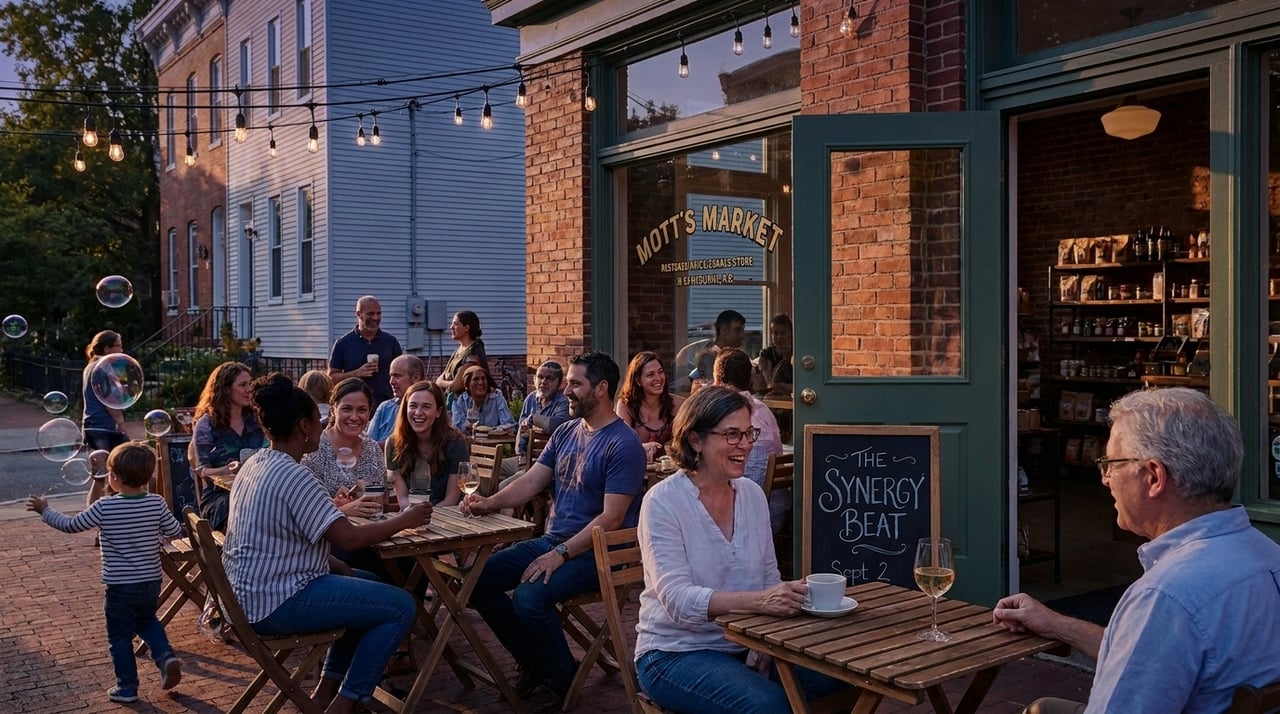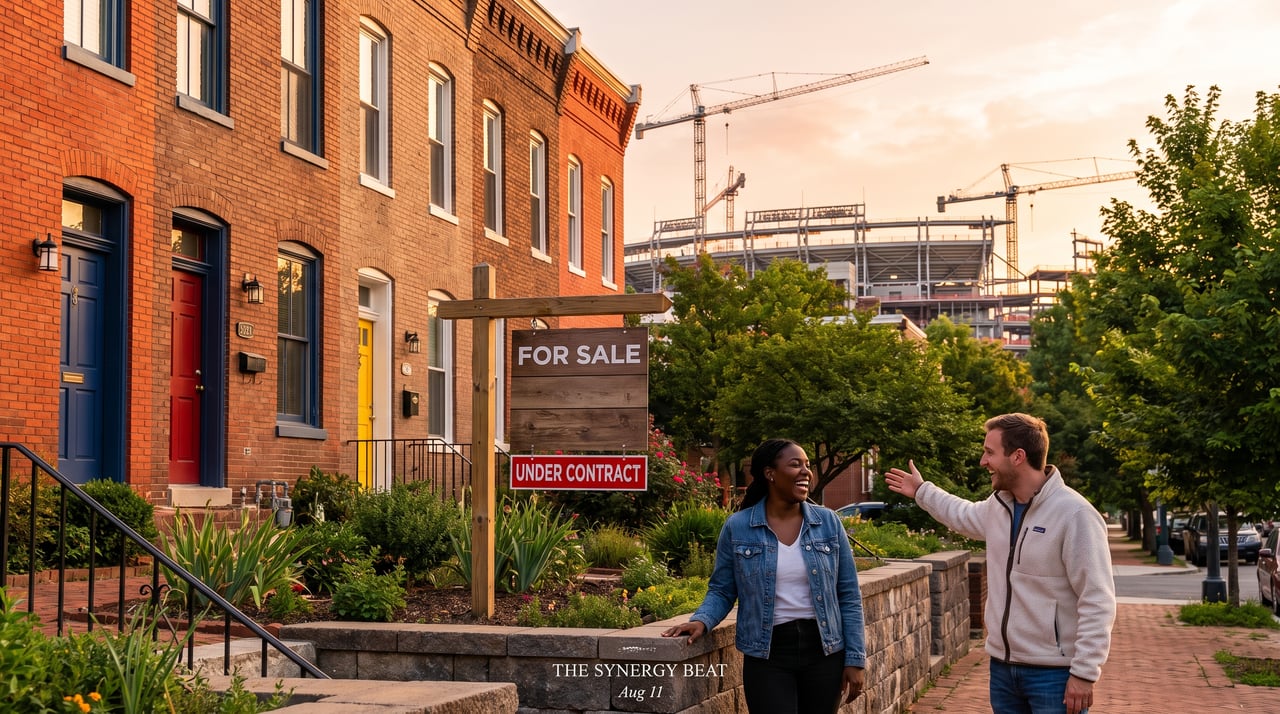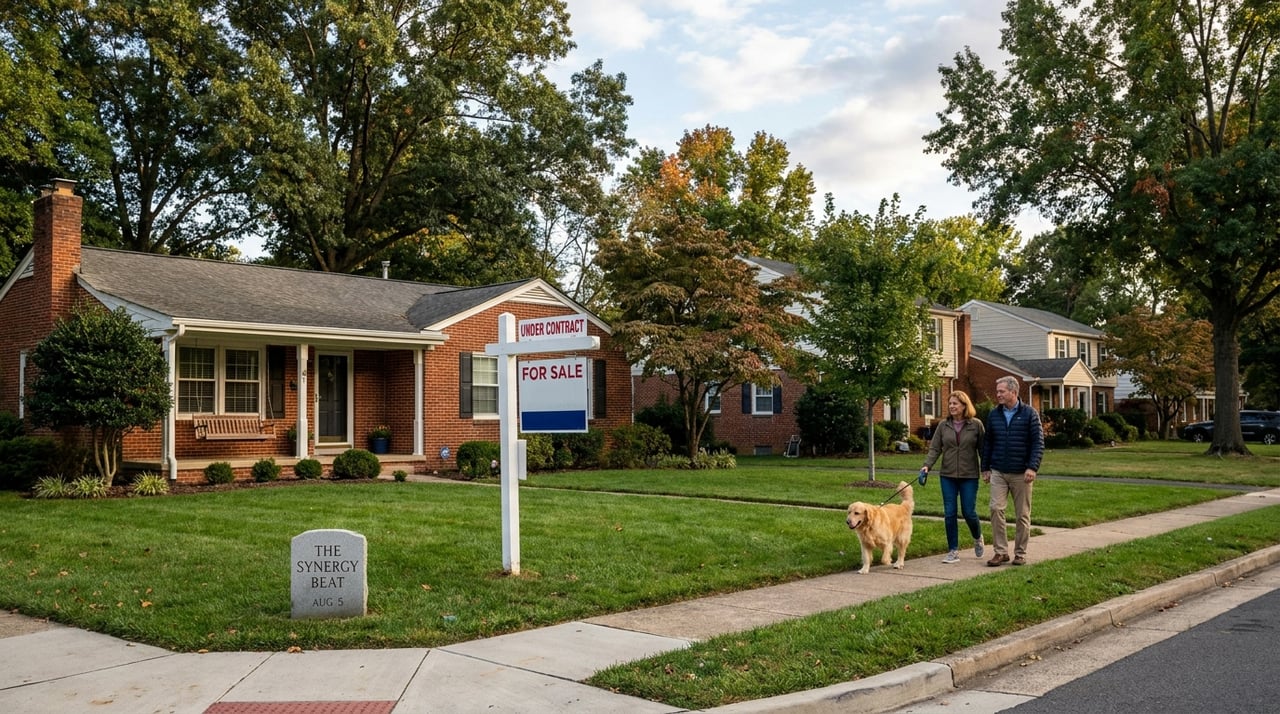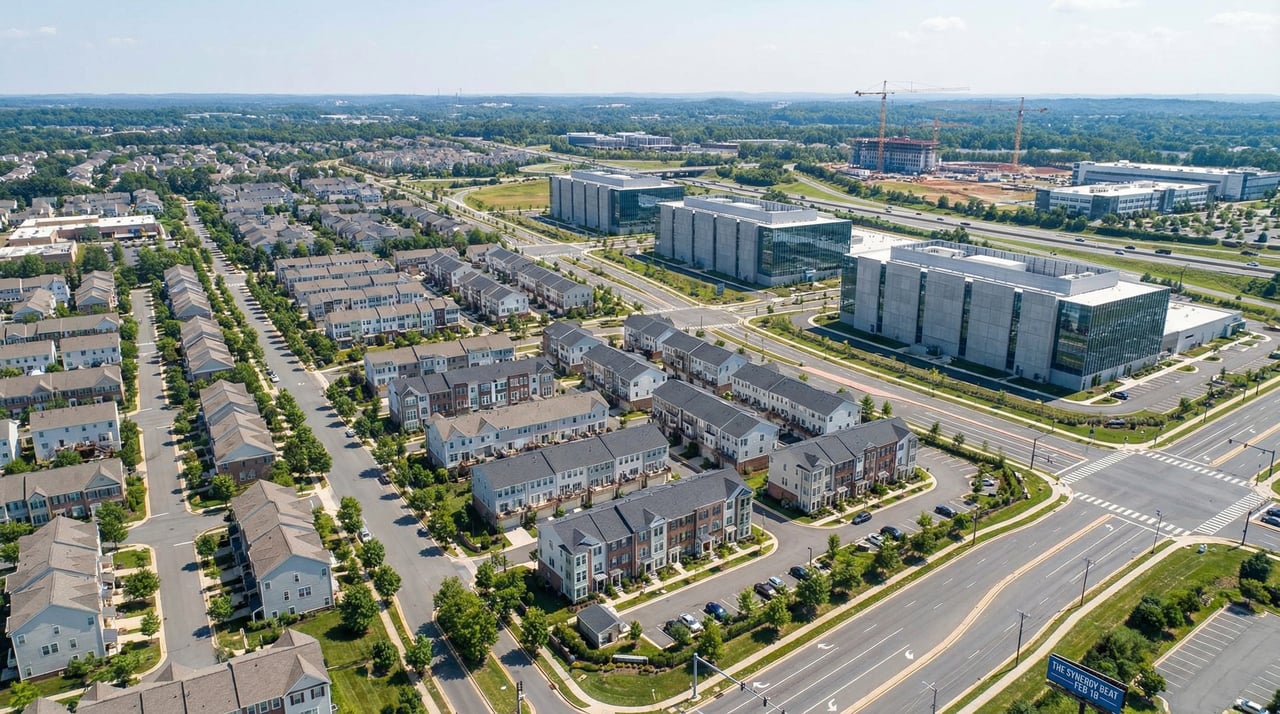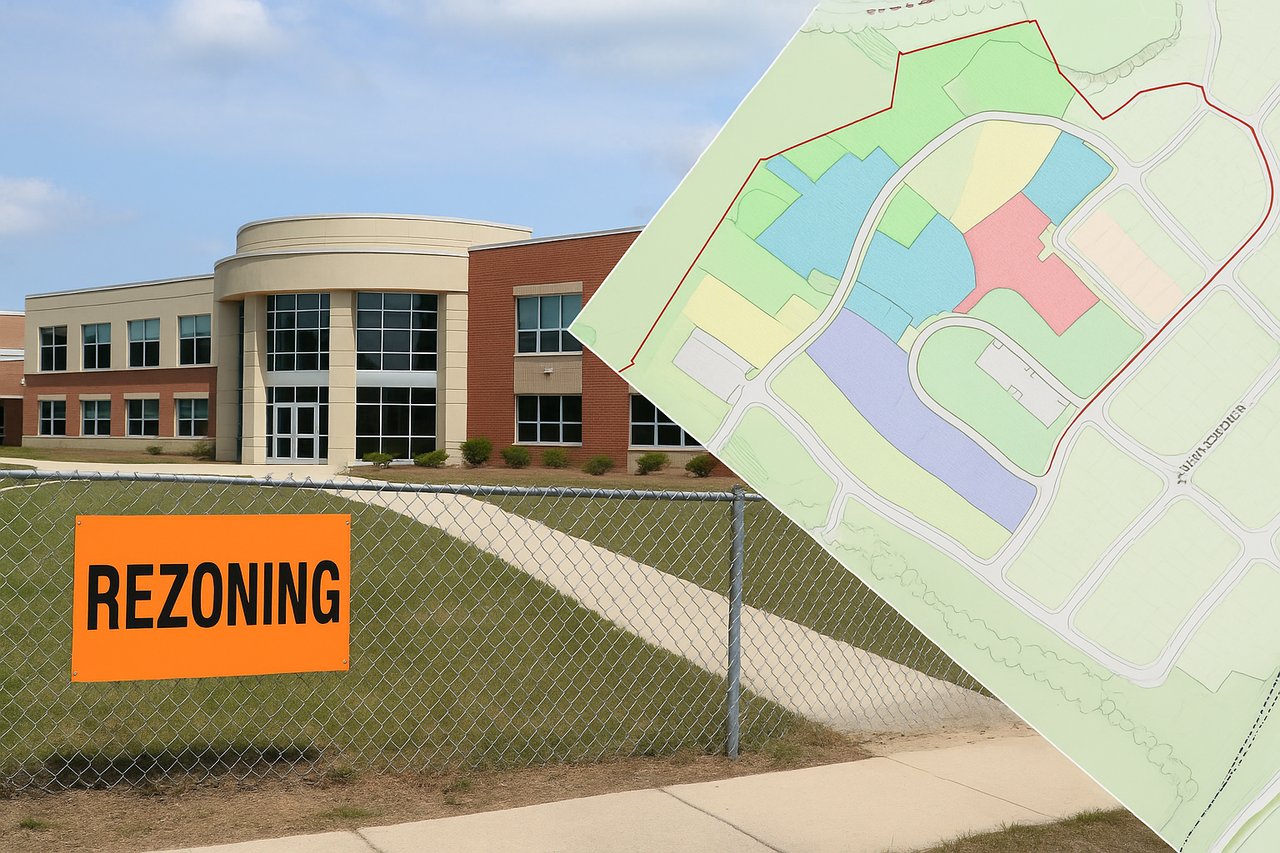
As data centers continue to expand across Montgomery County and Northern Virginia, developers and planners are beginning to explore new ways to integrate this rapidly growing infrastructure into the region’s long-term housing strategy. A new concept announced this week — called Community Data Center Living — proposes a mixed-use model that combines digital infrastructure, workforce training, and affordable housing into a single planned community.
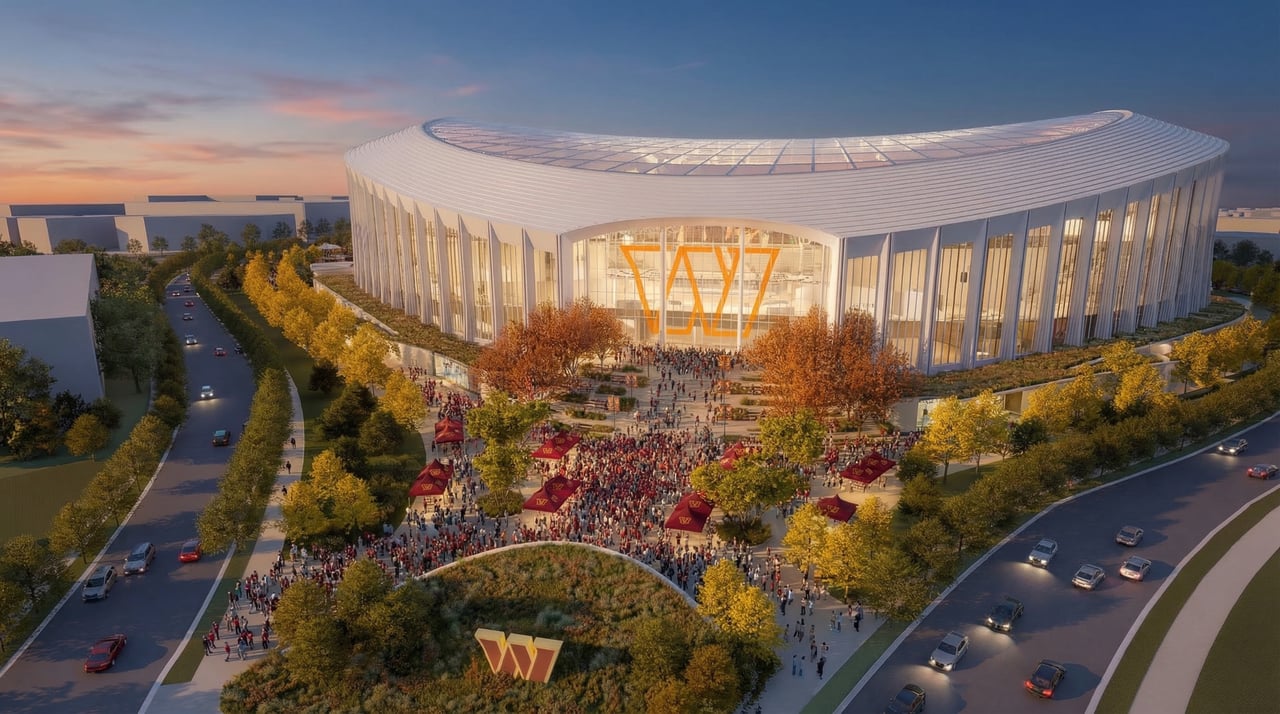
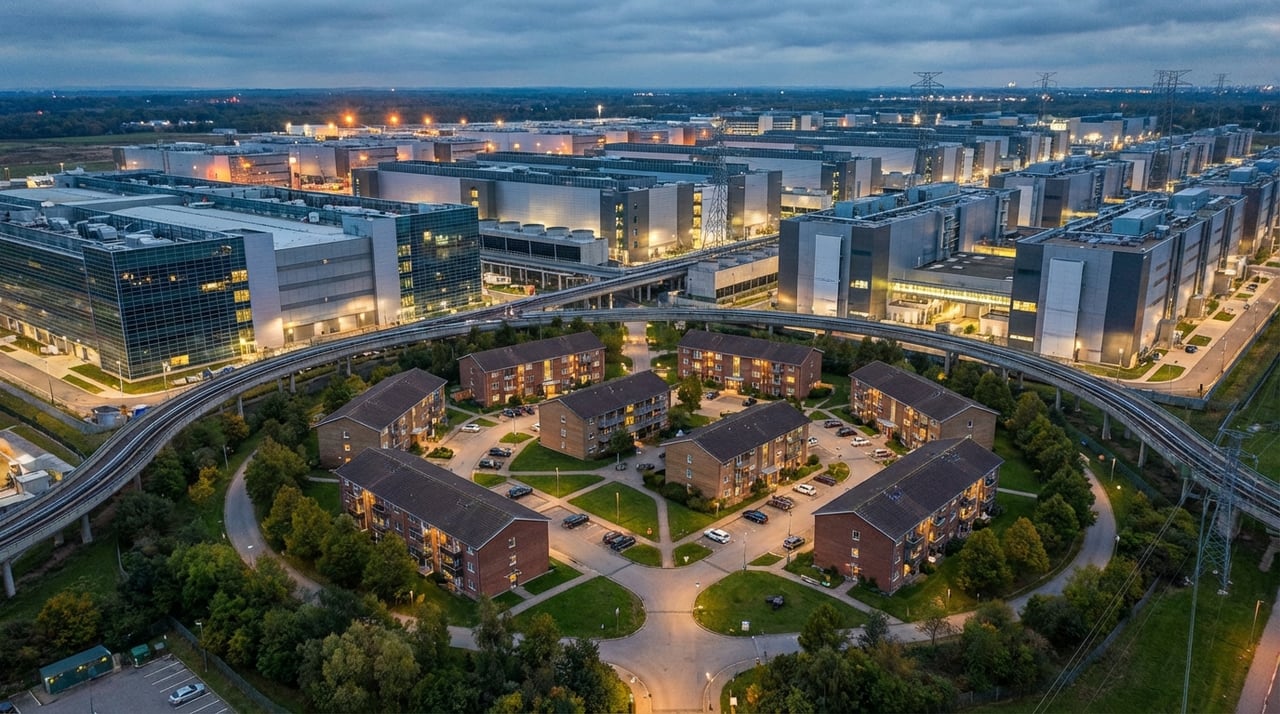
The concept is simple in theory: large data center campuses would be designed around central residential courtyards containing affordable housing units, shared green space, playgrounds, and community facilities. By placing housing directly within data center developments, planners say the model could reduce commute times, create new job pipelines, and make more efficient use of land that is already being acquired for digital infrastructure.
In addition to housing, the proposal includes workforce development programs tied directly to the data centers. Early versions of the plan outline training programs for local residents, students, and young people interested in technology and infrastructure careers. Some proposals even include youth workforce initiatives that would allow students to begin training and working in the data centers while still in school, creating what developers describe as a fully integrated live, learn, and work environment.
Supporters of the concept say the model could address several major challenges at once: increasing the supply of affordable housing, creating stable local jobs, supporting the expansion of digital infrastructure, and building workforce pipelines for future technology careers. With data center demand continuing to grow across the region, proponents argue that these facilities could become more than just infrastructure — they could become the center of new planned communities.
Critics, however, have raised questions about whether combining housing and heavy digital infrastructure is a realistic long-term planning strategy, and whether these types of developments would truly serve the communities they are intended to help. Others question whether large technology companies and infrastructure developers should play such a direct role in housing development at all.
For now, the proposal remains conceptual, but it has already sparked conversation among planners, developers, and local officials about how the region should respond to both the housing shortage and the rapid expansion of data centers across Montgomery County and Northern Virginia.
And yes — this is our April Fool’s post.
But with the way things are going… who knows.