Weekly Snapshot
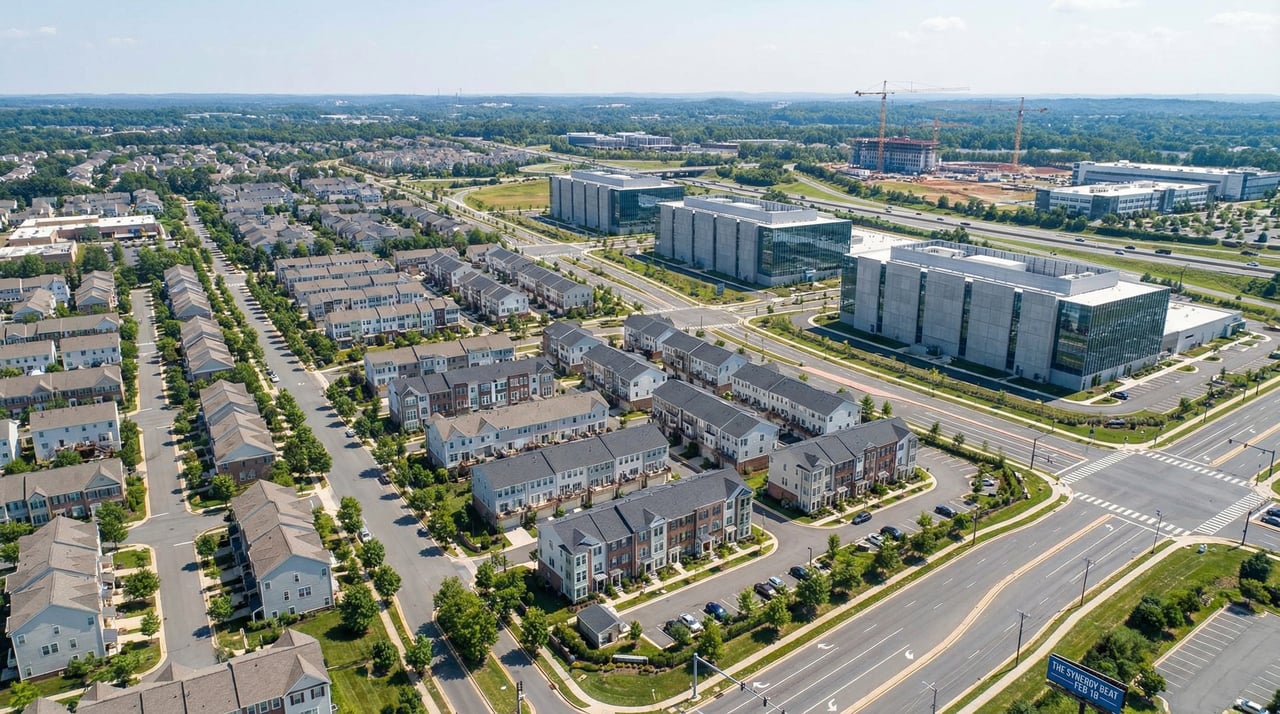
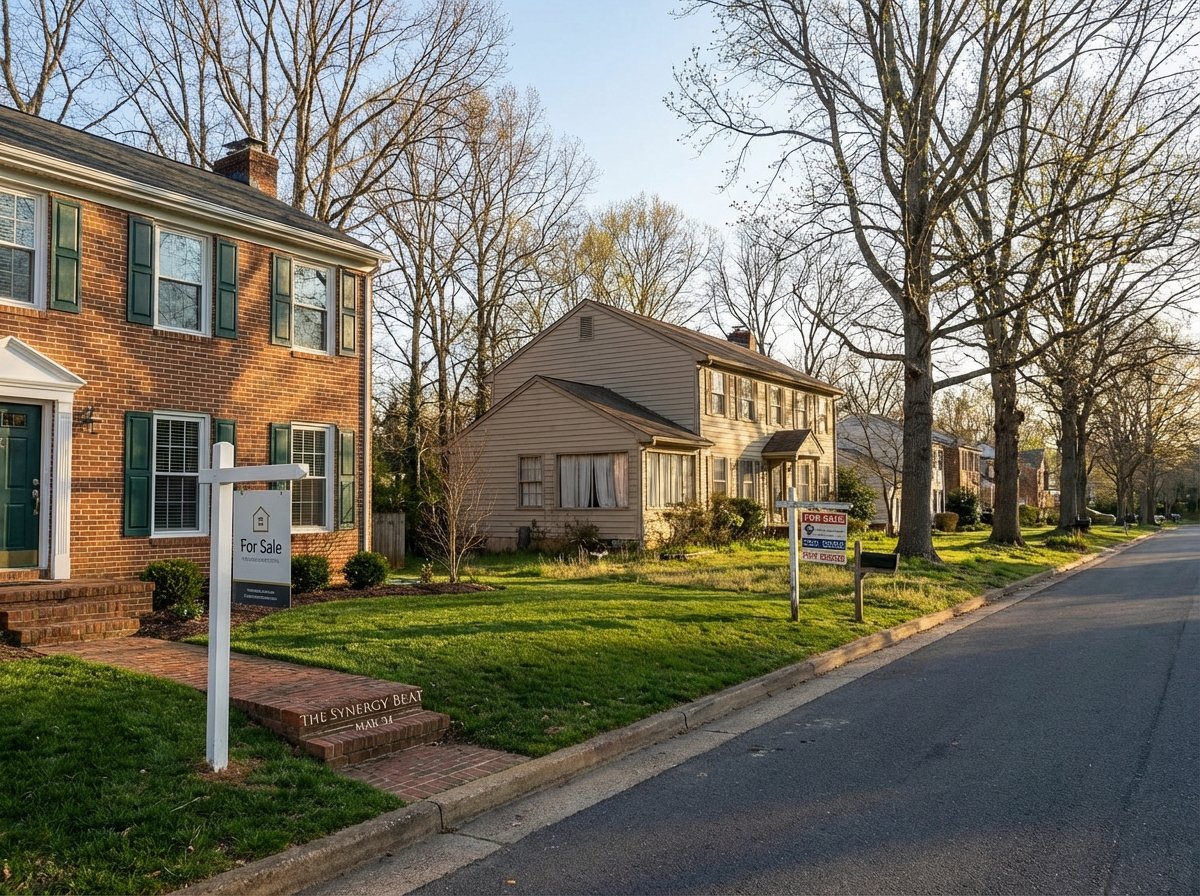
The spring market is open and active — and for buyers and investors who know where to look, the current environment is producing concrete entry points that did not exist a year ago. Arlington single-family homes at $900,000 to $1.2 million are drawing 6 to 14 competing offers. Falls Church City has three active SFH listings. Vienna properties are queuing buyers at the door before offers are submitted. This is not a market in retreat; it is a market that has separated into distinct operating conditions by submarket. The headwinds are real and worth understanding: the U.S.–Iran war has driven mortgage rates from 5.98% in late February to 6.22% as of March 19, federal lease terminations covering 1.8 million square feet in the metro have altered the institutional footprint, and builder costs are rising under tariff pressure. But those headwinds are not uniform. The submarkets carrying structural undersupply — inner Northern Virginia, the Greenbelt corridor, supply-constrained Maryland — are absorbing the macro environment and holding. The opportunity for prepared buyers and investors this spring is to act where that strength is real and use the softening in DC condos and outer Maryland to negotiate where it is not.
Top Headlines
-
Arlington logs 6 to 14 competing offers at $900K–$1.2M, Falls Church City holds just three active SFH listings, and Vienna draws pre-offer queues — Northern Virginia’s structural undersupply is running a separate market from the DMV headlines.
-
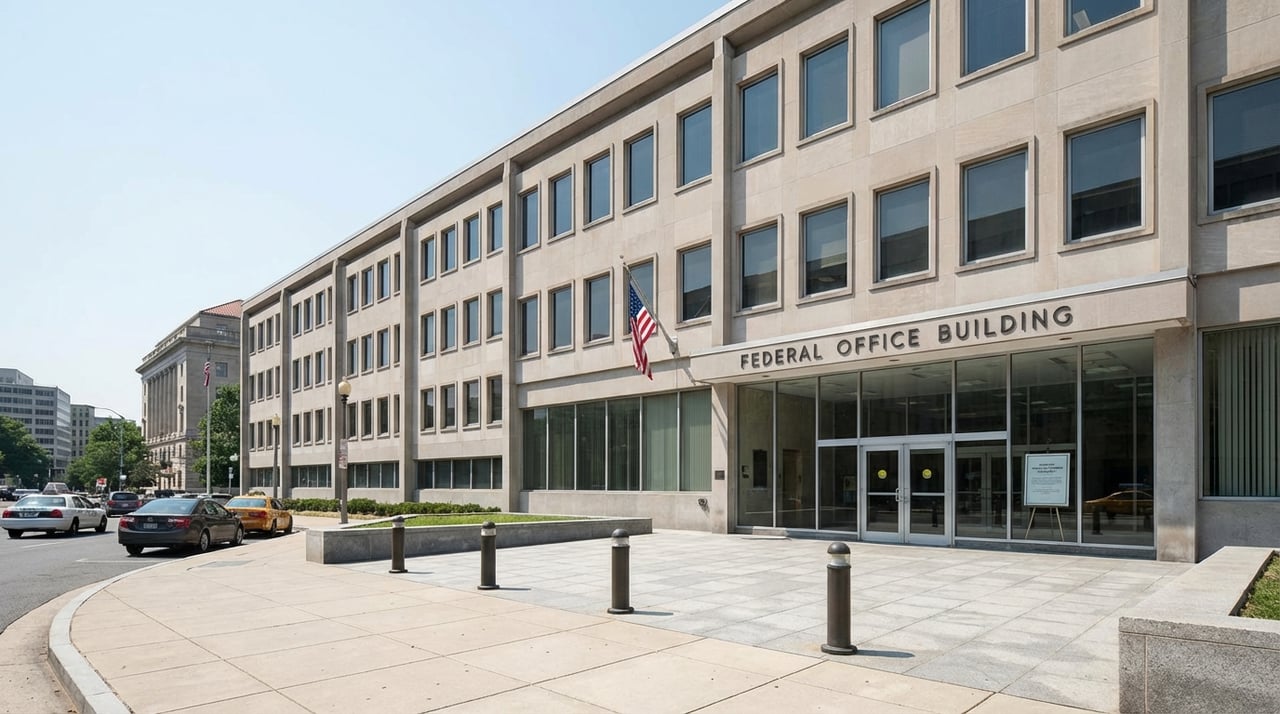
GSA congressional panel confirms “radical reduction” of federal real estate underway: 39 terminated leases covering 1.8M SF in the DMV metro, FBI headquarters relocation to Greenbelt secured with $200M — creating a long-term residential demand signal in Prince George’s County.
-
Freddie Mac PMMS: 30-year fixed hits 6.22% for the week of March 19 — biggest weekly jump since April 2025 — as MBA purchase applications fall 10.9%; DC condos average 79 days on market while NoVa inventory remains critically tight.
-
NAHB builder sentiment holds at 38 for the 23rd consecutive month below neutral as tariffs add $7,500–$10,000 per new single-family home — compressing new supply and creating a structural floor for well-priced existing inventory.
-
Brent crude climbs 30.72% in three weeks as Iran’s Strait of Hormuz closure disrupts 20% of global oil supply — pushing the 10-year Treasury yield to 4.38% and introducing a 2026 rate hike scenario no forecaster had modeled in January.
Detailed Reports
Story 1: Arlington at 14 Offers, Falls Church at 3 Listings — Northern Virginia’s Undersupply Is the Story
What Happened
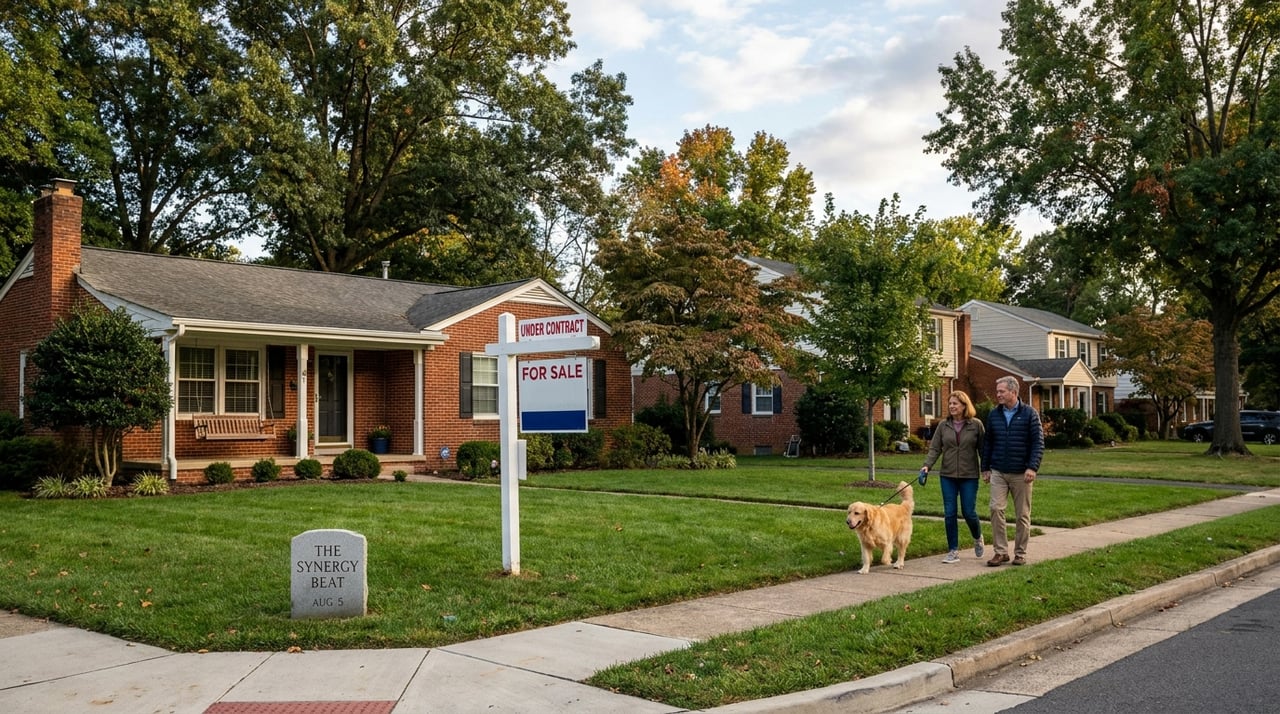
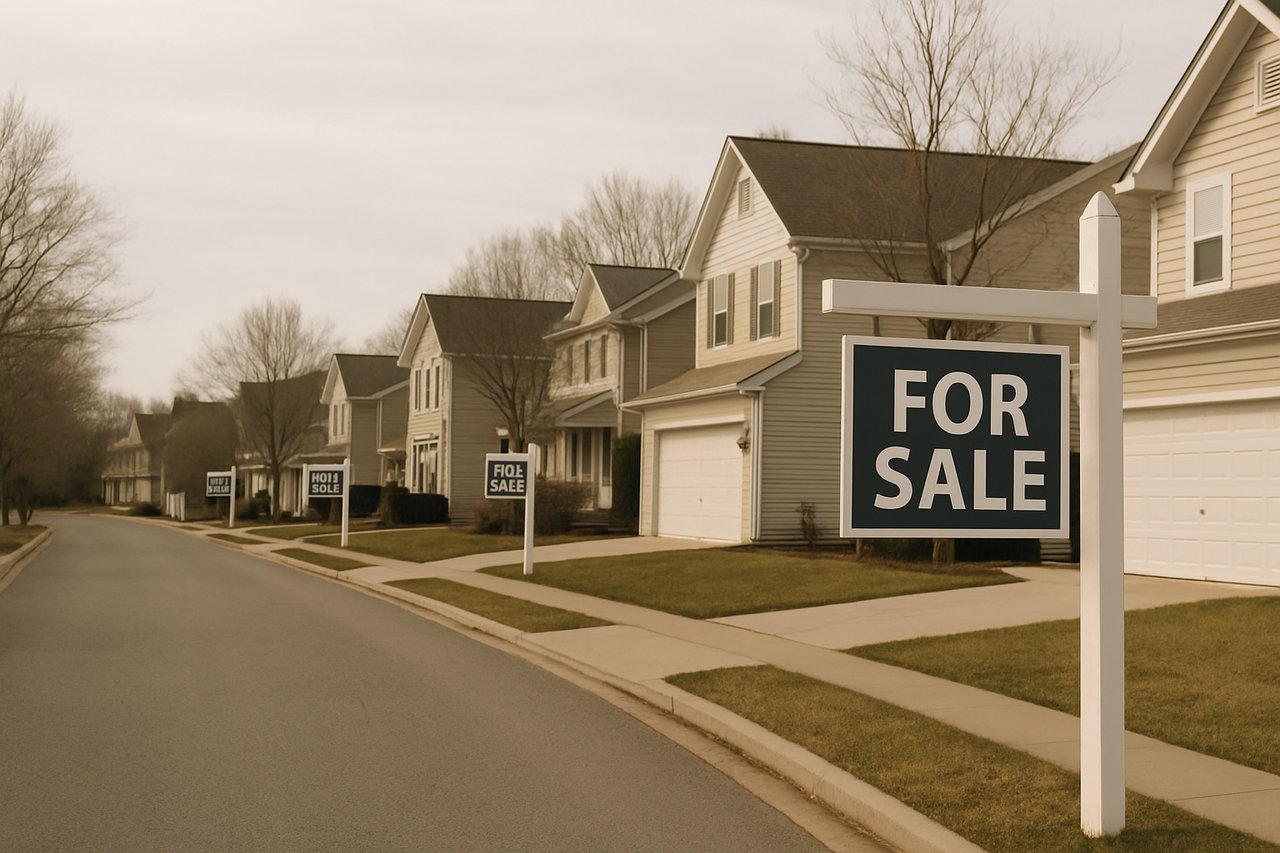
Ground-level data from Northern Virginia’s spring market shows supply at historically constrained levels. Falls Church City had only three active single-family homes on the market as of mid-March. Arlington properties priced at $900,000 and $1.2 million drew 10 and 14 competing offers respectively, with one selling above an asking price the seller described as aggressive. A Vienna listing just under $2 million drew what the listing agent described as a near-queue of agents and buyers before offers were submitted, with 10 offers expected. Meanwhile, Corcoran McEnearney’s March 2026 market report shows DC condos averaging 79 days on market in February 2026 — up from 46 days a year earlier — while Montgomery County days on market jumped from 39 to 65. Bright MLS projects DC-area median home prices down 1% to approximately $617,000 in 2026, while Northern Virginia’s supply-constrained corridors are holding firm on price.
Why It Matters (DMV Lens)
The bifurcation is data-confirmed. Northern Virginia SFH is running on supply and employment fundamentals that the macro headlines have not disrupted. DC condos and outer Maryland suburbs are adjusting — and that adjustment creates two distinct strategic environments simultaneously. Buyers and investors who correctly identify which market they are operating in will find both opportunity and risk in the same metro.
Who It Impacts First
Buyers: Northern Virginia SFH requires preparation and speed below $1.5M. DC condos and Montgomery County outer suburbs offer negotiating leverage — price reductions, seller credits, and extended days on market are available to prepared buyers. Sellers: pricing and presentation matter more than they did in 2024; the market will not absorb overpriced inventory in either submarket.
Story 2: FBI to Greenbelt, 1.8M SF of DMV Leases Terminated — The Federal Footprint Is Repositioning, Not Just Shrinking
What Happened
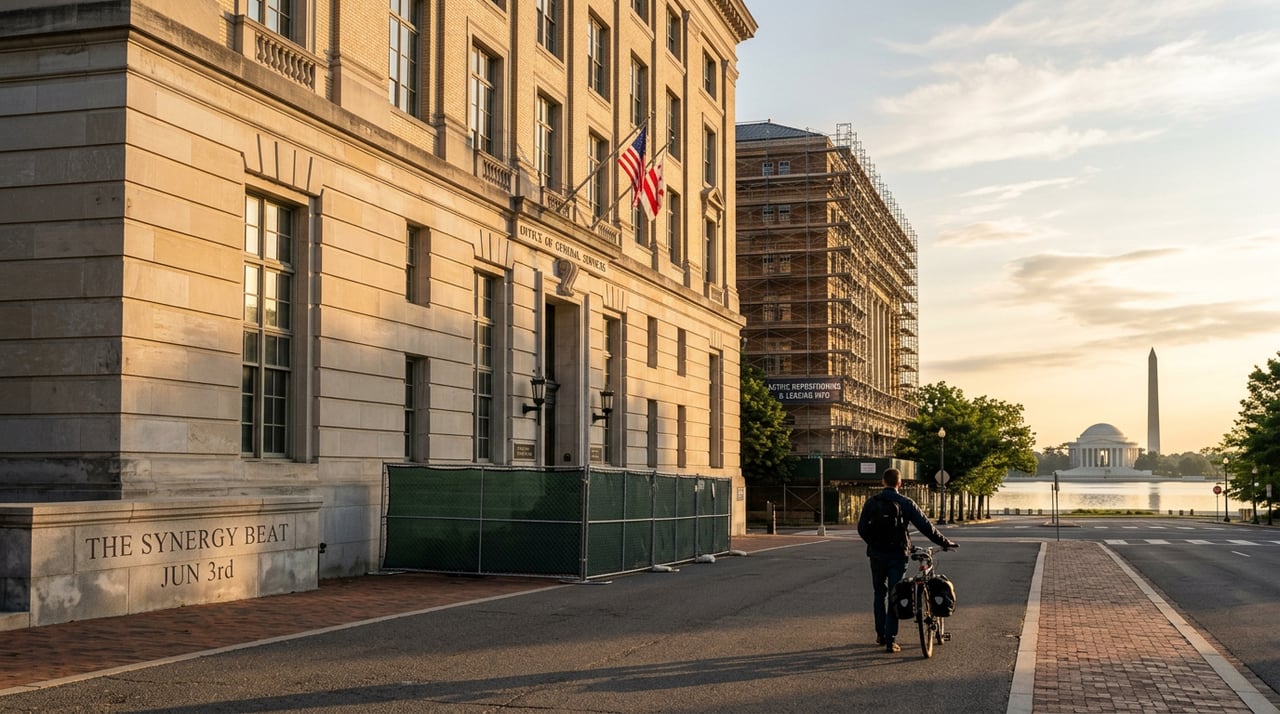
A congressional subcommittee panel this week concluded that a “radical reduction” of GSA-owned buildings is necessary, citing a maintenance backlog so severe that approximately 40% of the agency’s own downtown DC headquarters is currently “uninhabitable.” According to JLL’s DOGE Federal Lease Termination Tracker, 39 leases covering 1.8 million square feet in the DC, Maryland, and Virginia metro have been terminated since January 20. The GSA has stated a formal goal of reducing the federally-owned real estate footprint by 50%. Critically, the FBI headquarters relocation to Greenbelt, Maryland — supported by both the Biden and Trump administrations — has been confirmed with $200 million allocated to initiate the move.
Why It Matters (DMV Lens)
This is geographic redistribution, not pure contraction. Commercial office vacancies rise in DC submarkets historically anchored by federal tenants — that is a real headwind for those asset classes. But the FBI’s move to Greenbelt functions as a confirmed long-term residential demand anchor for Prince George’s County. The Greenbelt–College Park–Hyattsville corridor is now backed by institutional employer commitment, and current residential pricing in that submarket has not yet reflected that reality.
Who It Impacts First
Investors and Developers have the clearest near-term signal: the Greenbelt corridor is an underpriced opportunity relative to its confirmed long-term employment anchor. DC downtown commercial is the corresponding risk pocket. Residential buyers in Prince George’s County should move before the FBI relocation news is fully priced in.
Story 3: Freddie Mac PMMS March 19 — 6.22% and Rising, but the Spring Demand Signal Is Still Intact
What Happened
The 30-year fixed-rate mortgage averaged 6.22% for the week ending March 19, 2026, up from 6.11% the prior week, according to Freddie Mac’s Primary Mortgage Market Survey — the largest single-week increase since the April 2025 “Liberation Day” tariff shock. Daily indices tracked above 6.40% by the end of the week. The Federal Reserve held its benchmark rate steady for the second consecutive meeting in March. Bond markets have fully priced out 2026 rate cuts and are pricing a 50% probability of a rate hike in October. MBA purchase application volume fell 10.9% for the week ending March 13. Critically, however, HousingWire’s weekly pending sales data for the same period showed 71,230 pending sales nationally — still up 12% year over year — indicating that underlying demand has not collapsed despite the rate move.
Why It Matters (DMV Lens)
The rate environment is more expensive than February, but demand has not disappeared — it has recalibrated. On a $750,000 loan typical for Northern Virginia move-up buyers, the move from 5.98% to 6.22% adds approximately $430 per month. That is a real affordability shift, not a catastrophic one. Buyers pre-qualified at sub-6% rates in February should revisit their purchasing power with their lender now rather than at the offer stage. Sellers who waited through February expecting the rate environment to hold are now competing against a smaller but still active buyer pool — which makes pricing discipline the primary lever.
Who It Impacts First
Move-up buyers in the $700K–$1.2M range — concentrated in Arlington, Bethesda, and Alexandria — face the most direct payment adjustment. First-time buyers at the affordability margin are most exposed to qualification changes. The demand signal nationally holding at +12% YoY suggests the market is absorbing the rate move, not retreating from it.
Story 4: NAHB at 38 for 23rd Straight Month — Tariff Cost Floor Is Creating a Price Support for Existing Inventory
What Happened
The NAHB/Wells Fargo Housing Market Index rose one point to 38 in March 2026, extending a streak of 23 consecutive months below the neutral 50 threshold. NAHB estimates tariffs on construction materials are adding $7,500 to $10,000 per single-family home in construction costs. Thirty-seven percent of builders reported cutting sale prices, with average discounts of 6%. Sixty-four percent are offering sales incentives. Virginia construction permits declined more than 10% in 2025 versus the prior year per Census Bureau data. The Housing Tariff Exclusion Act, co-sponsored by Senator Tim Kaine (D-VA) and Senator Angela Alsobrooks (D-MD), has been introduced in the Senate to create an automatic exemption process for homebuilding materials.
Why It Matters (DMV Lens)
Suppressed builder output and rising new construction costs create a structural price floor for well-priced existing inventory, particularly in the $550K–$850K range in Northern Virginia where new product is competing directly with resale. Buyers evaluating new construction should factor the tariff cost premium into appraisal risk. Sellers of existing inventory in that price range are competing against a new product field that is more expensive to build and slower to deliver — a direct pricing advantage if the home is presented and priced correctly. The Housing Tariff Exclusion Act is worth monitoring: passage would meaningfully reduce builder cost pressure and increase new supply in 2027 and beyond.
Who It Impacts First
Sellers of existing SFH in the $550K–$850K Northern Virginia range benefit from reduced new construction competition. Buyers evaluating new construction should factor the tariff cost floor into price negotiations. Smaller regional builders face the sharpest margin compression and are the most likely to offer incentives to move existing inventory.
Story 5: The Hormuz Premium — What the Iran Conflict Means for DMV Mortgage Costs and the Spring Timeline
What Happened
The U.S. and Israel initiated military operations against Iran on February 28, 2026. Iran’s subsequent closure of the Strait of Hormuz disrupted approximately 20% of global daily oil supply. Brent crude climbed from $81.40 per barrel on March 3 to $106.41 on March 20 — a 30.72% increase in 17 days. The 10-year Treasury yield closed above 4.38% on March 20 — the highest since September 2025. The 30-year fixed rate moved from 5.98% on February 26 to 6.22% by March 19. Federal Reserve Chair Jerome Powell stated plainly this week: “Nobody knows” the scale of the economic impact. HousingWire’s lead analyst noted that if the conflict continues past March 21, the entire 2026 housing outlook requires revision — but also observed that weekly pending sales remain up 12% year over year despite the rate increase, suggesting underlying demand is absorbing the shock.
Why It Matters (DMV Lens)
The February window of sub-6% rates is closed for now. The next opportunity for materially lower rates depends on conflict resolution that no forecaster can time with confidence. The practical implication for DMV buyers and investors is straightforward: underwrite at current rates, not at rates you expect to arrive. The buyers who will look back at spring 2026 as a missed opportunity are those who waited for a rate environment that may not return before prices in undersupplied Northern Virginia submarkets move further.
Who It Impacts First
Every active buyer and investor in the DMV needs to re-run their numbers at 6.22%–6.50% cost of capital. The demand data nationally suggests buyers are doing exactly that and still transacting. The risk of waiting — particularly in supply-constrained Northern Virginia — is that inventory does not expand to compensate for the rate-driven buyer hesitation.
Investor Insight of the Week
The most important structural reality of this spring market is that the macro headlines and the on-the-ground data are pointing in opposite directions — and that gap is where investor opportunity lives. Falls Church City has three active single-family listings. Arlington is generating 14 competing offers at $1.2 million. Vienna is drawing queues before offers open. These are not sentiment-driven outcomes in a market that is “holding on” — they are inventory-driven outcomes in a market that is undersupplied regardless of the rate environment. The smart positioning is not to wait for macro clarity. It is to acquire in the nodes where undersupply is structural: inner Northern Virginia SFH below $1.5M, and the Greenbelt–Prince George’s County corridor where the FBI headquarters relocation has established a confirmed long-term employment anchor at prices that have not yet priced in that commitment. The headwinds are real and the underwriting must reflect current rates. But the buyers and investors who move with precision this spring — into the right submarkets, at the right price points — are acquiring in windows that are closing.
The clearest actionable takeaway: the DMV is not one market this spring, and treating it as one is the most expensive mistake a buyer or investor can make — the undersupply in Northern Virginia SFH and the Greenbelt corridor represents a concrete entry window that the rate environment has not closed.
The Synergy Synthesis — Market Verdict
The DMV housing market in spring 2026 is running two distinct operating environments simultaneously, and the data is specific enough to act on. DC condos are averaging 79 days on market — up 33 days from February 2025 — while Arlington single-family homes are drawing double-digit competing offers at prices above $900,000. Montgomery County days on market nearly doubled year over year. The cause is not a broken market; it is a market sorting itself by employment base, transit access, and structural supply. Federal workforce uncertainty has hit demand most visibly in the District and in the Maryland suburbs most exposed to government employment. Northern Virginia’s private-sector and defense-contractor base has absorbed the uncertainty with far less demand erosion.
For buyers operating in DC condos or outer Maryland — particularly Calvert and Spotsylvania counties — this is the most negotiating leverage available in years. Homes are sitting longer, prices are being reduced, and seller credits are on the table. That window is real and it is open now. For buyers and investors targeting Northern Virginia SFH, the opposite is true: inventory is at historical lows in Falls Church City and Arlington, competing offers are active, and the cost of waiting is measured in price, not in timing.
The single clearest opportunity in the current environment is Prince George’s County — specifically the Greenbelt–College Park–Hyattsville corridor. The FBI headquarters relocation is confirmed and funded. Long-term residential demand anchored by a major federal employer is not speculative; it is a capital allocation with $200 million committed. Current pricing in that corridor has not reflected the institutional commitment. That gap between confirmed anchor and current pricing is exactly where informed buyers and investors should be looking this spring.
Why It Matters
|
Role |
Strategic Recommendation (This Week) |
|
Buyer |
Leverage exists right now in DC condos and outer Maryland suburbs — longer days on market, price reductions, and seller credits are available to prepared buyers. In Northern Virginia SFH below $1.5M, inventory is critically low and competing offers are real; if the numbers work, move. Revisit pre-approval with your lender if it was based on sub-6% rates from February. |
|
Seller |
Northern Virginia SFH sellers: demand is there and the data proves it — price with precision and present well. DC condo and Montgomery County suburban sellers: the window for aspirational pricing has closed; accurate pricing now prevents the longer market time and eventual cuts that are becoming standard for overpriced inventory. |
|
Investor |
Two clear entry points this week: supply-constrained Northern Virginia SFH corridors (Arlington, Falls Church, McLean) where DOGE disruption has not penetrated demand, and the Greenbelt–Prince George’s County corridor where the confirmed FBI headquarters relocation creates a long-term employment anchor at current pre-adjustment pricing. Re-run acquisition models at 6.25%–6.75% cost of capital before committing. |
|
Builder / Developer |
Accelerate permitting now to get ahead of additional tariff-driven cost increases. The $7,500–$10,000 per-unit tariff premium is already pressuring smaller builders out of certain DMV submarkets. Monitor the Housing Tariff Exclusion Act — co-sponsored by Virginia and Maryland senators — as a potential material cost relief mechanism worth tracking through Q2. |
With data as our compass and community as our core, The Synergy Group of Compass helps clients identify the real opportunities inside a divided DMV market — from Northern Virginia’s supply-constrained corridors to the emerging demand anchors reshaping Prince George’s County — with the structural analysis and local relationships that turn market complexity into a clear path forward.
SynergySoldIt.com