D.C. Fiscal Whiplash, Insurance Pressure, and a Buyer Pipeline That Won’t Quit
Stay ahead of the market with expert insights, real-time data, and stories shaping the Washington D.C., Maryland, and Virginia real estate landscape.
WEEKLY SNAPSHOT
This week, the signal is policy volatility meeting stubborn demand. D.C. fiscal uncertainty is rising in real time, while national affordability “fixes” are proving harder to execute than headline writers suggest. Meanwhile, ownership costs—especially insurance and HOA-driven expenses—continue to reshape what sells fastest and what sits. The vibe: selective confidence, with buyers moving when the numbers pencil and walking when the risk feels unpriced.
TOP HEADLINES
-
D.C. tax-code decoupling faces congressional reversal, threatening revenue forecasts and mid-tax-season disruption.
-
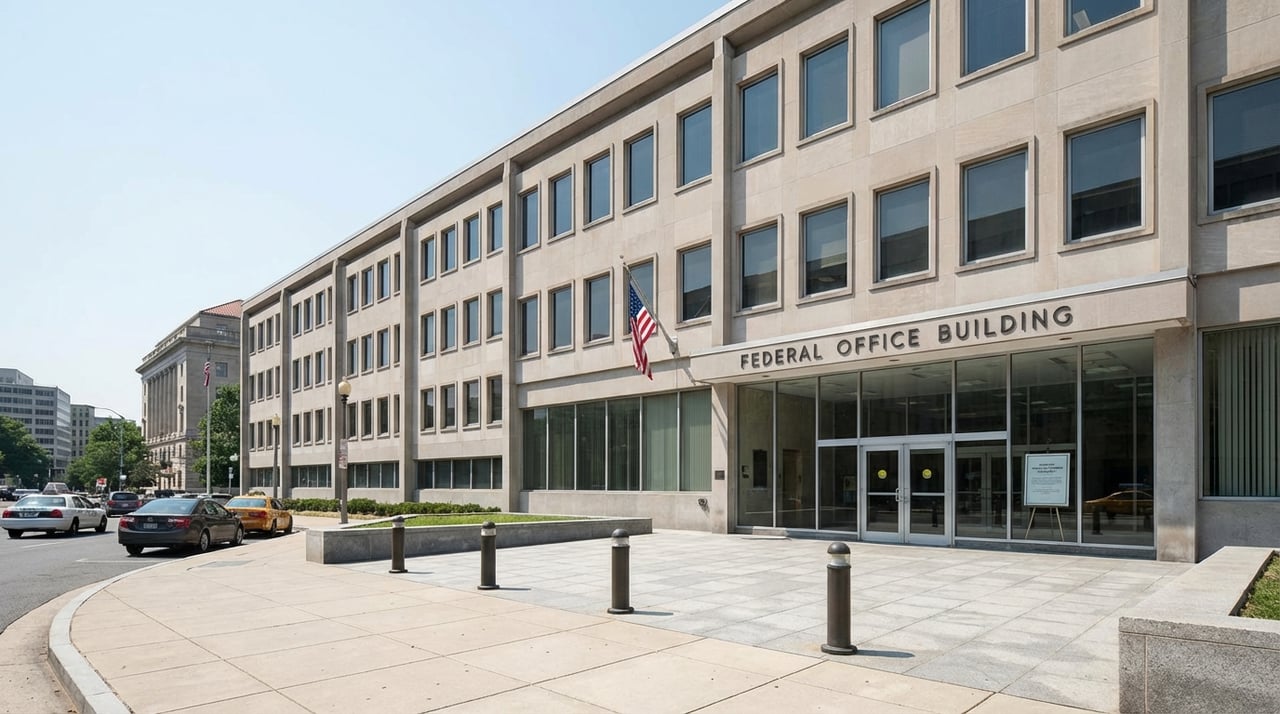
Federal government moves to sell the Old Post Office (a marquee D.C. asset), part of a broader push to reduce the federal real estate footprint.
-
Bloomberg: Trump’s housing affordability push is stalling early, despite big promises.
-
Bloomberg: rising property insurance costs are becoming a structural affordability and condo-market drag.
-
Bright MLS: weekly contracts increased ~10.8% YoY (week ending Jan 25), suggesting demand is still converting despite cost pressure.
DETAILED REPORTS
1) D.C. tax-code decoupling faces congressional reversal
-
What Happened (factual, sourced): The U.S. House is poised to vote on blocking D.C.’s move to decouple its tax code from the Trump-era federal tax cuts, which D.C. officials expected would generate substantial revenue over the coming years and avoid administrative chaos during tax season.
-
Why It Matters (DMV lens): D.C. fiscal stability is a real estate input. Revenue uncertainty pressures budgets, services, and investor confidence—especially downtown revitalization and housing programs that rely on predictable funding.
-
Who It Impacts First: Investor (pricing risk premium), then Seller (buyer sentiment/offer aggressiveness), then Buyer (tax/fee expectations in underwriting assumptions).
2) GSA move to sell Old Post Office signals federal real-estate repositioning
-
What Happened (factual, sourced): The federal government is negotiating a sale of the Old Post Office building, tied to a broader push to reduce/reshape the federal real estate footprint.
-
Why It Matters (DMV lens): Federal footprint decisions flow directly into D.C. demand patterns (jobs, commuting, hotel/retail recovery) and into redevelopment pipelines. Even “one building” stories become comps for how serious the government is about monetizing assets and consolidating operations.
-
Who It Impacts First: Investor (CRE and mixed-use positioning), then Buyer/Seller in adjacent submarkets through sentiment and redevelopment timelines.
3) Bloomberg: housing affordability plans stalling
-
What Happened (factual, sourced): Bloomberg reports the administration’s early housing-affordability agenda is sputtering, highlighting the gap between intent and implementation in housing policy.
-
Why It Matters (DMV lens): In the DMV, affordability is less about one lever and more about stacked costs (rates + taxes + insurance + HOA + commute value). “Stalling” means buyers shouldn’t underwrite a near-term rescue via policy—pricing must work now.
-
Who It Impacts First: Buyer (expectations management), then Seller (pricing realism), then Investor (rent vs. own math and cap-rate discipline).
4) Bloomberg: insurance costs are a structural housing problem
-
What Happened (factual, sourced): Bloomberg highlights property insurance cost growth as a meaningful affordability headwind, with notable spillover into condo economics.
-
Why It Matters (DMV lens): This hits DC condo underwriting hardest (HOA budgets + master policies + special assessments). Buyers are getting more sophisticated: they’re discounting buildings with opaque reserves, rising fees, or claims history.
-
Who It Impacts First: Buyer (monthly carrying cost shock), then Seller (longer DOM unless priced for risk), then Investor (rental margins compress).
5) Bright MLS contracts up YoY (weekly)
-
What Happened (factual, sourced): Bright MLS reports 4,909 new purchase contracts for the week ending Jan 25, up 10.8% year-over-year in its service area.
-
Why It Matters (DMV lens): Even with cost pressure, the buyer pipeline is still transacting—especially where pricing matches condition and where monthly payment is defensible. This is not a “dead market”; it’s a selective market.
-
Who It Impacts First: Seller (properly priced listings still move), then Buyer (competition persists in quality pockets), then Investor (entry points require precision).
INVESTOR INSIGHT OF THE WEEK
In the DMV, the new risk premium is less about rates moving 25 bps and more about ownership friction—insurance volatility, HOA fee acceleration, and policy uncertainty that spooks marginal buyers. The cleanest investor setups this month are the ones with controllable expenses: well-reserved buildings, transparent condo docs, or light-reno SFH where you’re not inheriting deferred maintenance surprises. Bold takeaway: If you can’t underwrite the non-mortgage costs with confidence, you don’t have a deal.
THE SYNERGY SYNTHESIS — MARKET VERDICT
D.C. is trading on confidence and continuity—so anything that threatens revenue predictability (or signals political intervention) matters to housing sentiment fast. At the same time, national “affordability” narratives are colliding with the reality that housing fixes are slow, operationally complex, and rarely immediate.
Now the split that matters most locally: DC condos vs. MoCo SFH. Condos are increasingly priced on governance quality (reserves, insurance exposure, assessments) as much as on location. In MoCo SFH, the buyer is still willing to compete—if the home is turnkey enough and the payment feels rational relative to rent and lifestyle value.
-
One opportunity: selectively buying (or advising buyers toward) condos/buildings with strong financials where the market is over-discounting the entire segment.
-
One risk: assuming “policy relief” or “insurance normalization” arrives quickly—those timelines are not under a buyer’s control.
WHY IT MATTERS TABLE
|
Role |
Strategic Recommendation (This Week) |
|
Buyer |
Treat insurance/HOA as underwriting line items, not footnotes; demand clean condo docs and reserve clarity before you bid. |
|
Seller |
Price for today’s payment reality and “risk perception”; reduce friction with pre-list docs, clean disclosures, and tight condition positioning. |
|
Investor |
Prioritize controllable expense profiles; avoid opaque HOA/insurance risk unless you’re being paid (discounted) to take it. |
With data as our compass and community as our core, The Synergy Group of Compass helps clients navigate risk, spot opportunity, and make high-conviction real estate decisions across D.C., Maryland, and Virginia.