War, Rates, and a Two-Speed DMV: What the Iran Conflict Means for Your Home
Stay ahead of the market with expert insights, real-time data, and stories shaping the Washington D.C., Maryland, and Virginia real estate landscape.
Weekly Snapshot
The dominant force reshaping the DMV housing market right now is not domestic policy. It is the U.S.-Iran War and the economic shockwave that has radiated from the Strait of Hormuz since strikes began on February 28. Mortgage rates were at 5.98% that day. They climbed for five consecutive weeks under war-driven energy inflation, and the March CPI report, released this week on April 10, confirmed the damage: consumer prices up 3.3% year over year, with gasoline prices alone surging 21.2% in a single month. The Federal Reserve will not cut rates at its April 28-29 meeting, and multiple forecasters now project no cut through 2026. At the same time, the $200 billion war supplemental flowing through the Pentagon is landing with unmistakable force in Northern Virginia, the home of four of the world's five largest defense contractors, creating a divided regional labor market that is reshaping housing demand submarket by submarket. DMV buyers and sellers can no longer analyze this market without understanding what the war is doing to rates, inflation, and employment.
Top Headlines
March consumer prices rose 3.3% year over year, with gasoline up 21.2%, erasing the spring rate window that had mortgage rates at 5.98% just six weeks ago and eliminating any chance of a Fed cut at the April 28-29 FOMC meeting.
The Iran War is running a $200B Pentagon supplemental through NoVA defense contractors. The same conflict killing housing affordability is funding a hiring boom in Reston, McLean, Fairfax, and Herndon, creating a two-speed DMV housing economy.
Brookings data shows the DMV lost more jobs in 2025 than any other major U.S. metro, in absolute terms and percentage share, with private sector employment also turning negative by year-end, a development not seen in any comparable market.
Maryland's Transit and Housing Opportunity Act cleared House second reading with amendments on April 10. It covers 300-plus acres of state-owned land near Metro and Purple Line stations, eliminates parking requirements, and unlocks 7,000-plus potential new units.
A Congressional JEC report estimates roughly 60,000 fewer home construction jobs since the Liberation Day tariffs, with building permits and starts remaining below prior-year levels while key materials run 20%-plus above year-ago prices.
Detailed Reports
Story 1: March CPI, War-Driven Inflation Kills the Spring Rate Window
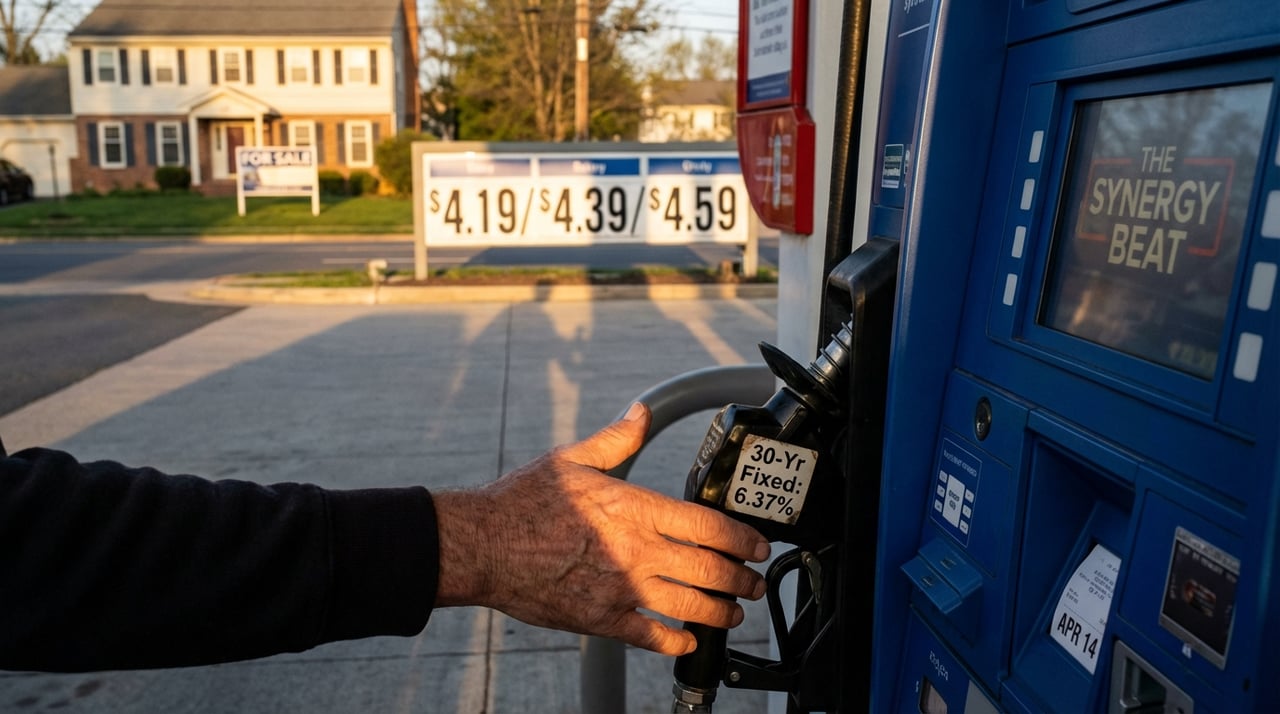
What happened. The Bureau of Labor Statistics released March Consumer Price Index data on April 10, showing prices rose 0.9% from February and 3.3% year over year, well above the Federal Reserve's 2% target. The primary driver was gasoline prices, which surged 21.2% in a single month, a direct consequence of the U.S.-Iran War and the ongoing disruption to oil flows through the Strait of Hormuz, through which approximately 20% of the world's daily oil supply passes. The 10-year U.S. Treasury yield climbed as high as 4.48% during March before settling around 4.3% this week. Mortgage rates, which had fallen to 5.98% on February 28, the day U.S. and Israeli strikes on Iran began, climbed for five consecutive weeks, reaching 6.46% before ticking back to 6.37% in the April 9 Freddie Mac PMMS. According to National Mortgage News, economists surveyed this week universally expect the Fed to hold rates steady at its April 28-29 meeting, and none expect a cut. The Blue Chip Economic Indicators panel projects core PCE inflation of 3.0% through year-end 2026, up from prior estimates.
Why it matters for the DMV. This story is what most people in the DMV are searching about right now, whether they know it connects to housing or not. The answer is direct. At 6.37%, a buyer purchasing at the DMV's current median sold price of approximately $595,000 with 20% down faces a 30-year payment that is roughly $145 per month, and $36,000 over the life of the loan, more expensive than it was on February 28. That window, when 30-year rates briefly dipped below 6% for the first time since 2022, is gone. If the peace talks now underway between the U.S. and Iran produce a ceasefire agreement and oil prices fall, rates could retrace meaningfully before summer. If talks fail and oil stays above $100 per barrel, some economists project the 30-year could return to the mid-6.50s or higher. The spring housing market is hostage to a geopolitical negotiation currently happening blocks from the properties you are buying and selling.
Who it impacts first. Buyers, since the rate lock-or-float decision this week is the most consequential financing call of the spring, with the April 28-29 Fed meeting and ongoing peace talk developments as the two live catalysts. Sellers, since the improved rate environment of late February briefly expanded buyer pools at the $400K to $700K DMV price point, and that expansion has partially reversed. Pricing strategy must reflect current, not February, affordability conditions.
Story 2: The Two-Speed DMV, Iran War Defense Boom vs. DOGE Demand Crater
What happened. The U.S.-Iran War, now in its 46th day, has sent a $200 billion Pentagon supplemental spending request to Congress, with Secretary of Defense Pete Hegseth confirming the figure this month as the military seeks to replenish depleted weapons stockpiles and put production on a wartime footing. The contracts are flowing directly into Northern Virginia. Four of the world's five largest defense contractors are headquartered there: Lockheed Martin (Bethesda, MD), General Dynamics (Reston, VA), Northrop Grumman (Falls Church, VA), and Raytheon/RTX, which maintains major Northern Virginia operations. After U.S. strikes on Iran began February 28, Lockheed Martin's stock rose 3.4%, RTX climbed 4.7%, and Northrop Grumman posted a 6% gain in a single session. Trump told defense executives at the White House that he expected contractors to quadruple production on select weapons systems. Pentagon contracts posted on war.gov are running at billions of dollars per day. The war is costing the federal government an estimated $900 million daily, per CSIS analysis.
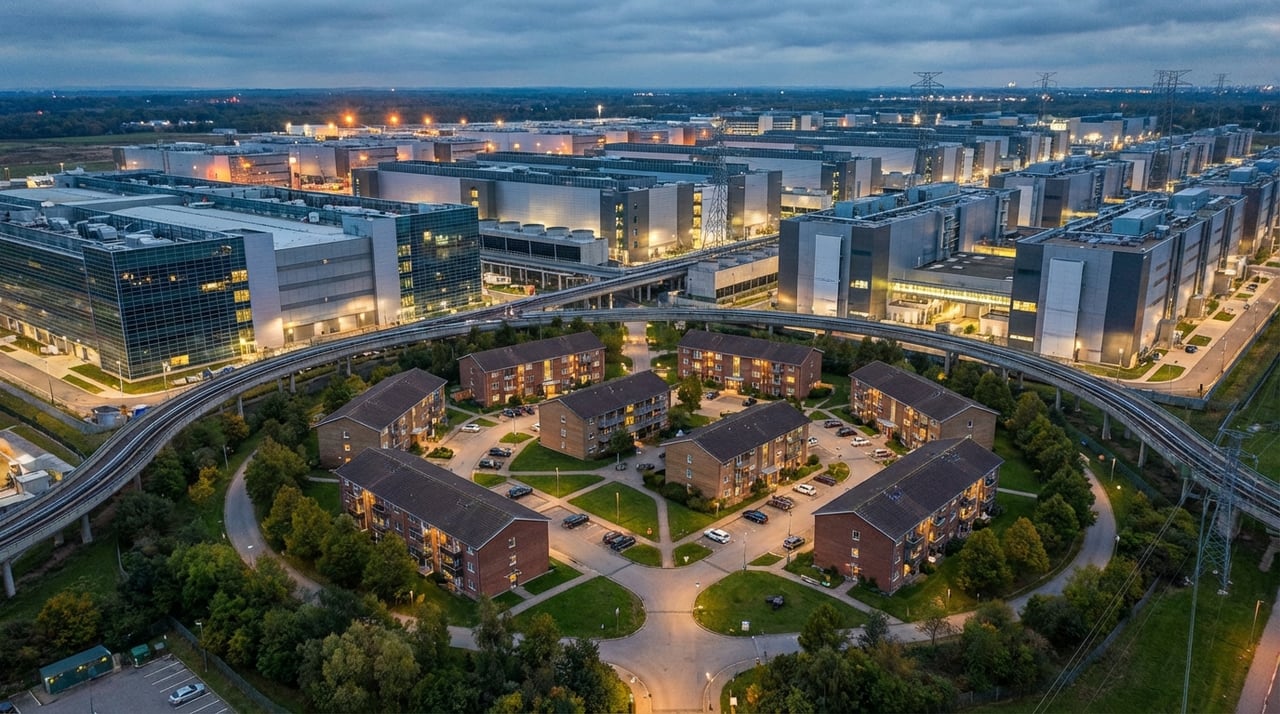
Why it matters for the DMV. The DMV is experiencing a labor market divergence with direct housing implications. DOGE cut approximately 22,100 federal positions in the DC-Maryland-Virginia area, per Richmond Fed data, with Virginia alone losing 23,500 civilian federal jobs through November 2025 per BLS and VCIJ. At the same time, the Iran War is generating hiring demand at defense contractors in Fairfax, Loudoun, and Montgomery County Maryland, for engineers, program managers, systems analysts, and cleared professionals earning well above $100,000. The result is two DMV housing markets running simultaneously. One is a softening market anchored by displaced civil servants in DC proper, inner-ring Maryland, and parts of Northern Virginia that depended on contracting to civilian agencies. The other is a firm-to-tight market in the defense and intelligence corridors of Reston, Herndon, McLean, Tysons, and Bethesda where hiring demand is increasing. Investors and buyers who understand this distinction can identify the neighborhoods where demand has structural backing versus those where the employment floor has been removed.
Who it impacts first. Investors, since the defense corridor employment thesis is the single most important demand-side story in NoVA right now. Properties in Reston, McLean, Herndon, and Fairfax within reasonable distance of major contractor campuses are demand-protected in a way that comparable DC or inner-Maryland assets are not. Sellers in NoVA defense corridors, who have pricing power and should use it accurately. Buyers in this pool are highly qualified and not easily moved on price, but they will walk from anything that feels aspirationally priced.
Story 3: Brookings Reports the DMV Lost More Jobs in 2025 Than Any U.S. Metro
What happened. Brookings Institution's updated DMV Monitor, published April 10, confirmed that the Washington DC metro area lost more jobs in 2025 than any other major metropolitan area in the United States, in both absolute numbers and as a percentage of the regional workforce. Federal sector losses drove approximately 95% of those figures, with Virginia alone recording a net decline of 23,500 civilian federal positions through November per BLS data analyzed by the Virginia Center for Investigative Journalism. More significantly, private sector employment in the DMV also turned negative by late 2025, a development not seen in comparable major metros where private sector job growth remained positive through the year. Professional services, the sector most tied to federal contracting, led the private sector decline. Per Brookings researcher Tracy Loh, the rate of private sector job growth plateaued over the summer of 2025 and then became negative by the end of the year, a lagged effect of DOGE's reduction in government contracts to private firms.
Why it matters for the DMV. This is the demand-side structural fact underlying all other analysis of the DC housing market. The bedrock assumption of the DMV, that stable, recession-resistant federal employment supports home purchases and lease renewals at every price point, has been materially weakened. What is less discussed is the secondary contagion. It was not just the federal workers themselves who left the housing market, but the consultants, attorneys, analysts, and contractors at private firms whose principal client was the federal government. That population is concentrated in the neighborhoods most affected by current listing pressure: Congress Heights, parts of Silver Spring, Hyattsville, and the Congressional-adjacent corridors of Southwest DC. The Brookings finding that private sector job losses hit the DMV but not other comparable metros makes this a structural regional story, not a national trend.
Who it impacts first. Sellers in federal-adjacent DC and PG County, since the buyer pool has structurally narrowed. Price to current demand, not peak 2024 conditions. Investors focused on rental yield in affected corridors, since short-term occupancy may hold as displaced buyers turn to renting, but the income base supporting rent payments is weakened. Stress-test vacancy assumptions before committing.
Story 4: Maryland's Transit and Housing Opportunity Act Clears House Second Reading
What happened. Maryland House Bill 894, the Transit and Housing Opportunity Act, passed its second reading with amendments on April 10, 2026, advancing toward final passage. The bill is the centerpiece of Governor Wes Moore's 2026 housing legislative agenda. As structured, it eliminates minimum parking requirements for residential developments within a quarter mile of qualifying rail transit stations, including Metro, Purple Line, and MARC Penn Line, promotes mixed-use development at key stations, gives the state more authority over land use planning adjacent to transit, and delays collection of development impact fees until after construction is complete. The legislation would unlock more than 300 acres of state-owned land near transit stations and is projected to support more than 7,000 new housing units. A companion bill, the Starter and Silver Homes Act, would allow smaller single-family homes on smaller lots statewide, potentially reducing new home prices by up to 30%, per the Maryland Department of Housing and Community Development. Both bills are targeted for October 1, 2026 implementation.
Why it matters for the DMV. In a market where tariff-driven construction cost inflation is already eroding the economics of new development, the Transit and Housing Opportunity Act is the most consequential supply-side intervention Maryland has proposed in years. The elimination of parking minimums alone can reduce per-unit development costs by $30,000 to $50,000 per space in structured parking. The impact fee deferral changes the capital requirements for smaller developers who currently cannot compete for transit-adjacent sites against institutional players who can absorb upfront fee payments. For the Prince George's County Blue Line corridor specifically, including Capitol Heights, Cheverly, and Landover, the legislation creates a meaningful development opportunity in a submarket where land values have been suppressed by regulatory friction and high upfront costs. Projects that pencil under the new rules could begin construction within 18 to 24 months of implementation.
Who it impacts first. Developers, the most immediate beneficiary, since lower parking requirements and deferred fees directly improve project-level economics on transit-adjacent sites. Investors, since early land acquisition near Blue Line corridor stations in PG County while the legislation risk premium exists represents the clearest forward-looking opportunity in the Maryland market right now. Buyers, since the supply impact is 2027 to 2028 at earliest, but the trajectory of new affordable units near transit is now more credible than it has been in a decade.
Story 5: Tariffs Have Eliminated Roughly 60,000 Construction Jobs in One Year
What happened. A report released April 8 by the U.S. Congress Joint Economic Committee estimates approximately 60,000 fewer home construction jobs compared to December 2024. Key building materials have seen significant year-over-year price increases: copper and steel up more than 20%, home appliances up approximately 9%, furniture up 4.4%. Building permits and housing starts were both down materially at the end of 2025 compared to the prior year. NAHB Chief Economist Robert Dietz identified uncertainty, not just cost, as the primary driver. Builders are pausing project commitments when they cannot reliably price material inputs six months forward. Fannie Mae projects single-family housing starts will decline approximately 6.2% year over year through the first three quarters of 2026. This tariff-driven construction cost pressure is now compounding with war-driven energy inflation. Diesel prices are up more than 45% to $5.65 per gallon since late February per AAA data, and every product delivered to a construction site arrives in a diesel-powered truck.
Why it matters for the DMV. The DMV's new construction pipeline was already constrained before the tariff-driven cost escalation, and now a second layer of cost pressure from war-driven energy inflation is stacking on top. Projects in outer-ring Maryland and Northern Virginia that were already marginal at pre-tariff pricing are now economically challenged to bridge the gap between construction cost and achievable market price. The practical result is that the modest inventory gains buyers have been experiencing in the $400K to $650K suburban DMV range are unlikely to be reinforced by new supply. Existing home inventory in move-in condition, priced accurately, commands increasing relative pricing power in this environment.
Who it impacts first. Builders and developers, who face direct cost pressure. Lock or hedge lumber, steel, and appliance packages now if you have active projects, since the tariff story has layered with the war energy story and neither is resolving quickly. Buyers, since fewer new-home options in affordable price tiers means competition for well-maintained resale inventory in the $450K to $700K outer suburbs intensifies as new supply dries up.
Investor Insight of the Week
The Iran War has done something analytically clarifying for the DMV real estate investor. It has separated the region's housing market into two explicit demand pools with different employment anchors, and it has done so rapidly enough that the pricing differential between those pools has not yet fully developed. The civil servant economy, concentrated in DC proper, inner Maryland, and parts of NoVA, is structurally weakened and losing population. The defense contractor economy, concentrated in the Reston-to-McLean-to-Herndon corridor, Bethesda, and portions of Loudoun County, is being actively expanded by $200 billion in new Pentagon supplemental spending. The investor who identifies properties in the defense contractor corridor that are still priced as if the broad DMV demand pool is uniform, rather than divided, is identifying the most asymmetric opportunity in this market. Buy the corridor that the war is funding, not the corridor that DOGE is hollowing out.
The Synergy Synthesis
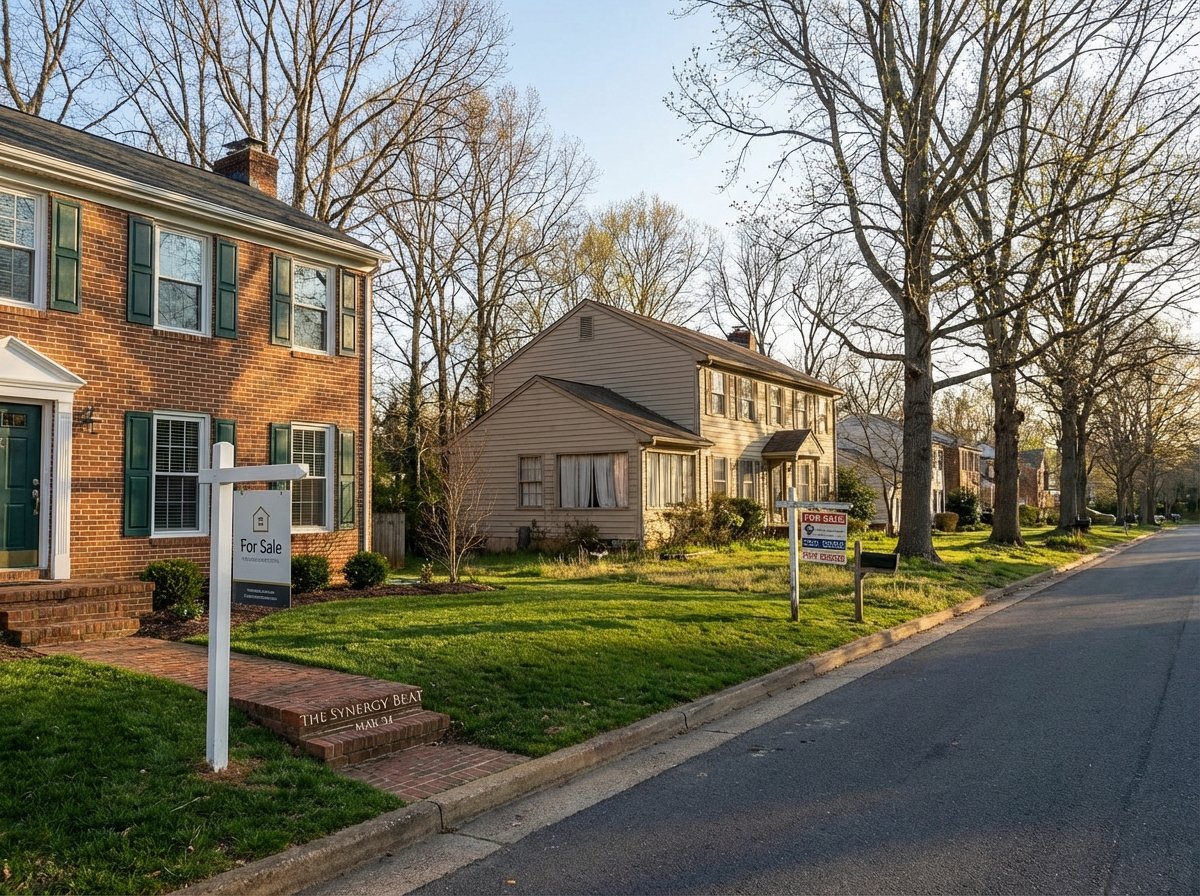
Two DMV markets, same week, opposite trajectories. In DC's federal-employment-dense neighborhoods, listings are accumulating. Days on market are stretching. Price cuts are appearing on properties that would have gone under contract in a weekend twelve months ago. The DOGE-driven workforce displacement is the proximate cause, and the Brookings data published this week makes the structural case. The private sector hasn't absorbed these workers, and it isn't going to on any near-term timeline. Sellers pricing to 2024 comps are finding that the qualified buyer pool for those condos has quietly contracted.
Thirty minutes west, the market looks nothing like that. In the Reston-McLean-Herndon corridor, the $700K to $1.2M single-family inventory is tight against demand that is actively growing. The buyers here are defense and intelligence professionals whose employers are receiving multi-year, multi-billion-dollar contracts. The same geopolitical backdrop that is hollowing out DC is funding their bonuses. That submarket isn't slow. It's competitive.
The force driving both conditions simultaneously is the Iran conflict. It's why mortgage rates are 39 basis points higher than they were in February. It's why March CPI printed 3.3% and the Fed will hold on April 28. And it's why one employer base in this region is contracting while another is expanding on government mandate. The forward-looking opportunity is Maryland's Blue Line corridor, where Prince George's County stations get materially repriced if the Transit and Housing Opportunity Act is signed. The binary that determines the whole summer is active right now. Peace talks are ongoing in DC today. A ceasefire and oil normalization restores affordability fast. A collapse extends the rate environment and the split-screen market through the end of the year.
What This Means for You
If you're buying, the rate window is real but contingent on the Iran peace talks currently underway. At 6.37%, a $500K home costs $36,000 more over 30 years than it did February 28, when rates were at 5.98%. If peace talks advance and oil prices fall, rates could retreat meaningfully before the May FOMC. Buyers within 30 to 45 days of closing should lock now. Buyers further out should float carefully, since resolution is possible but not assured, and the April 28-29 FOMC meeting is a live catalyst for additional rate volatility.
If you're selling, in the two-speed DMV, zip code is the primary variable. Federal worker-heavy DC neighborhoods and inner-ring PG County face rising inventory and compressed buyer pools. MoCo SFH in top school districts and NoVA defense corridor suburbs like Reston, McLean, and Fairfax continue to attract qualified buyers anchored in growing defense contractor payrolls. Price accurately and stage well. The buyer pools are there, but they are selective.
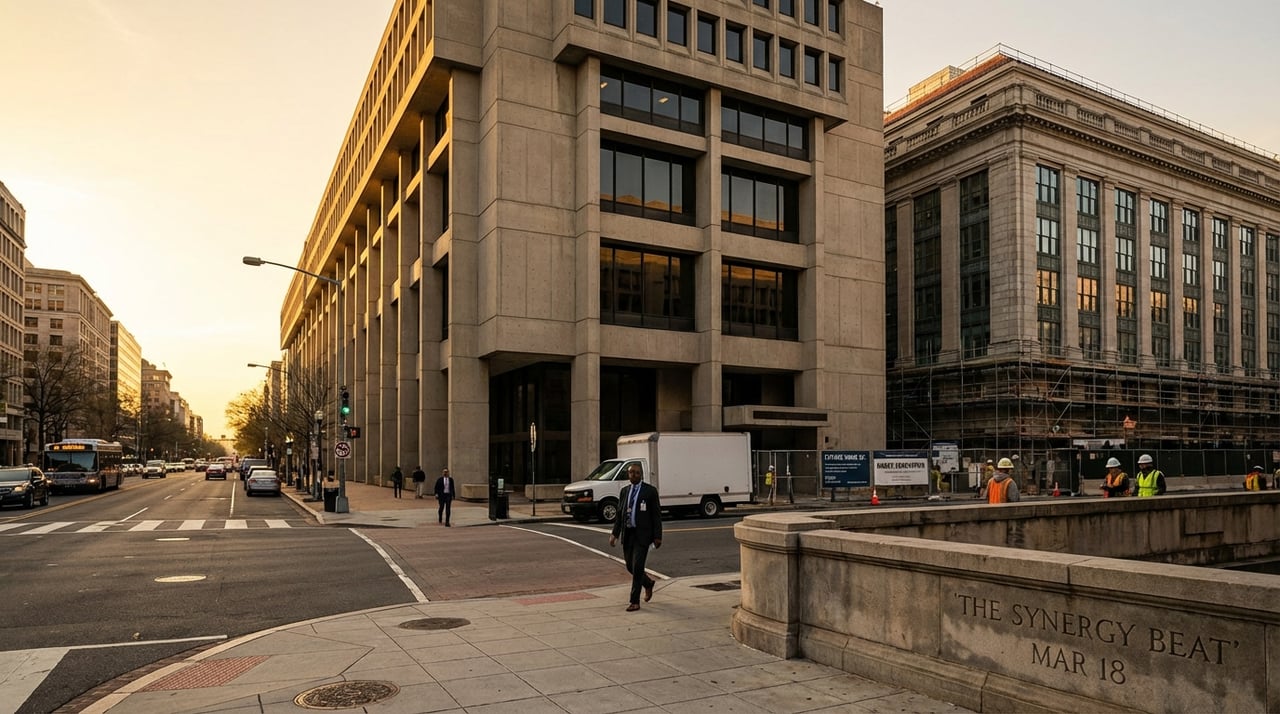
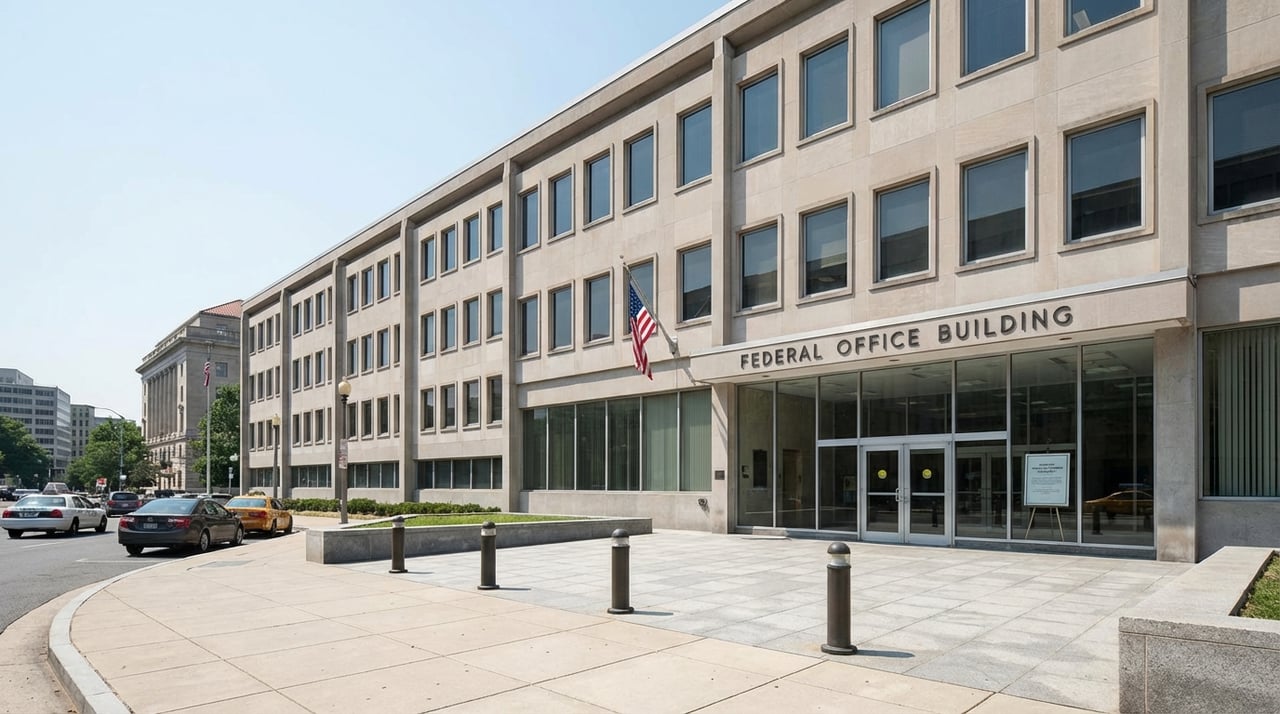
If you're investing, the Iran War has created a structural split in DMV employment that is now clearly legible. DOGE removed federal civil servants, and the Iran war is replacing them, not in the same offices and not in the same neighborhoods, with defense contractor engineers, analysts, and program managers earning $110K-plus in Northern Virginia. Follow that employment shift toward Reston, Herndon, McLean, and Fairfax, not DC proper and not Prince George's County. Separately, the GSA federal building sell-off in SW Washington continues to produce distressed-price acquisition opportunities for adaptive reuse investors.
If you're building, you are being squeezed from two directions: tariff-driven material costs, with steel and copper up 20%-plus year over year and 60K construction jobs lost per the congressional JEC report, and war-driven energy cost inflation adding a second layer of pressure. Maryland's Transit and Housing Opportunity Act, which just passed House second reading on April 10, offers a partial offset for projects near Metro and Purple Line through parking elimination and impact fee deferral. Projects that can qualify for transit-oriented development designation should prioritize doing so before the law's implementation window opens.
With data as our compass and community as our core, The Synergy Group of Compass helps clients navigate decisions that require reading more than the listing sheet, from energy-driven rate volatility and war-funded employment shifts to legislative supply changes and federal building sell-offs reshaping entire DC corridors. In a week when the biggest housing story is unfolding at the diplomatic table, having someone tracking all of it by your side is what keeps a decision grounded in where the region is actually heading.