Weekly Snapshot
The “winter slowdown” still isn’t showing up in the DMV.
While many markets across the country are cooling as the holidays approach, our region continues to show resilience. Mortgage rates have eased back into the mid-6% range, Northern Virginia is posting higher sales activity year-over-year, and both buyers and sellers are staying engaged — even in the middle of December.
The tone of the market right now is best described as calculated urgency.
Buyers are using rate relief to reclaim purchasing power that was lost earlier in the year. Sellers in well-located, move-in-ready homes are still commanding strong attention and competitive interest. Meanwhile, investors are becoming increasingly focused on the impact of trade policy and construction costs in the year ahead — looking to move before new pricing pressures fully cycle through the system.
Top Headlines
1. Mortgage Rates Drift Lower
2. Northern Virginia’s “Quietly Hot” Market
3. The “No Hiring, No Firing” Economy
4. The “Tariff Clock” and Construction Costs
5. Global Wildcard: Oil, Inflation, and the OPEC+ Factor
1. Mortgage Rates Drift Lower
What Happened
After a volatile fall, 30-year fixed mortgage rates have cooled back into the mid-6% range nationally. While rates remain higher than pre-2022 norms, they are meaningfully lower than the peaks earlier this year, restoring real buying power to the market.
Why It Matters
A reduction of even half a percentage point can translate into tens of thousands of dollars in additional purchasing capacity for buyers across the DMV. This shift is already showing up in improved buyer traffic, steadier showing activity, and more competition for well-priced properties.
For sellers, lower rates mean more qualified buyers in the pool — even at a time of year traditionally labeled as “slow season.”
The Synergy Takeaway
Buyers: This is a green-light moment for prepared buyers. Get fully pre-approved and be ready to lock rates when the right home appears.
Sellers: If you've been waiting for buyer confidence to return, the rate environment is already delivering that momentum.
2. Northern Virginia’s “Quietly Hot” Market
What Happened
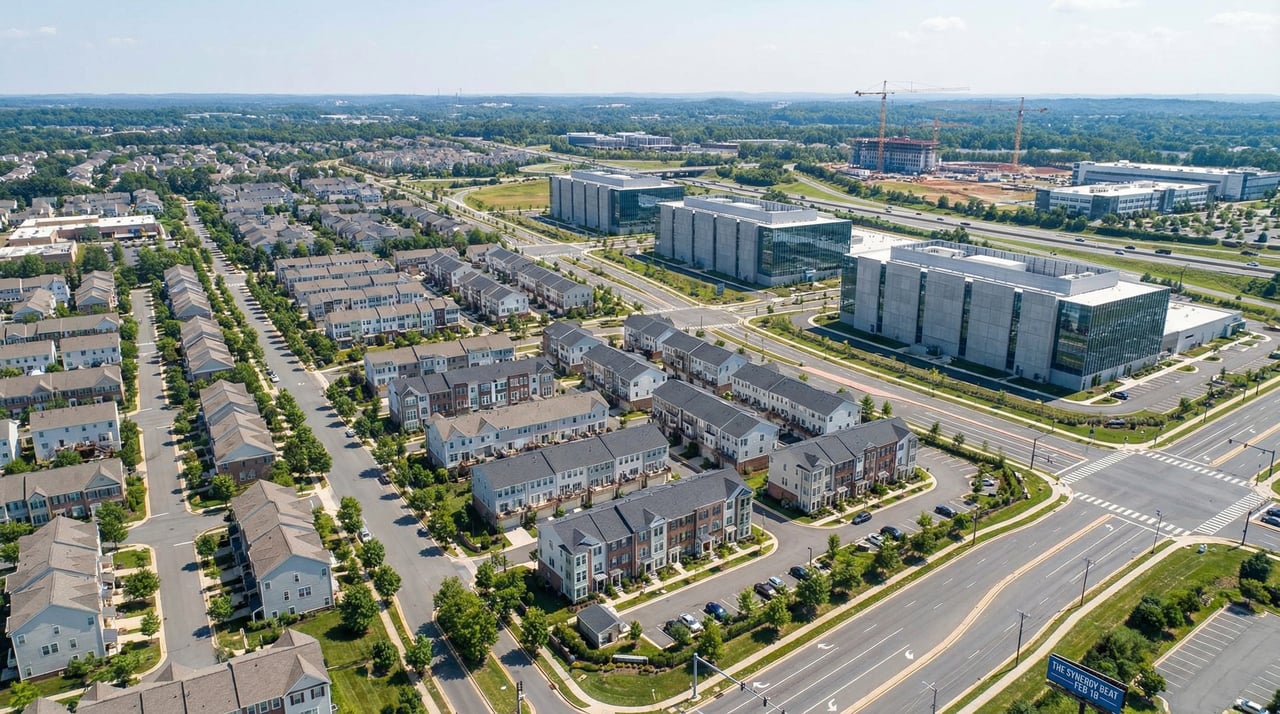
Northern Virginia continues to outperform national trends. Sales volume has increased compared to last year, median prices are higher, and inventory has grown significantly — creating a unique blend of supply and sustained demand.
Days on market have risen modestly, giving buyers more breathing room, yet well-priced and well-presented homes are still receiving solid interest and multiple showings.
Why It Matters
This is not a traditional buyer’s or seller’s market — it is a balanced market that rewards strategy.
Inventory expansion gives buyers more choices than the frenzy years allowed, but sellers maintaining realistic pricing and strong presentation are still benefiting from motivated buyers who remain active through the holiday season.
The Synergy Takeaway
Sellers: If your property is turnkey and well-positioned, you don’t need to wait for spring. Serious buyers are here now.
Buyers: Negotiation leverage is improving, especially on homes that have sat longer — but highly desirable properties continue to move quickly.
3. The “No Hiring, No Firing” Economy
What Happened
The broader labor market has settled into a period of stability. Hiring has slowed compared to the post-pandemic surge, and layoffs remain limited. Unemployment is holding around the low-4% range nationally — neither booming nor deteriorating.
Why It Matters
This kind of employment stability is ideal for housing. Most consumers remain employed and financially solvent, meaning mortgage payments stay steady and household formation continues.
Wage stability and employment continuity support both purchase demand and rental occupancy across the DMV — especially near major employment hubs, transit corridors, military installations, and education/medical centers.
The Synergy Takeaway
Investors: Rental demand remains strong while tenant stability remains high — supporting both occupancy and long-term asset performance.
Move-Up Buyers: Stable employment plus slightly improved financing conditions opens the door for long-planned upgrades or lifestyle moves.
4. The “Tariff Clock” and Construction Costs
What Happened
Recent expansions of U.S. import tariffs — particularly impacting materials sourced from Canada, Mexico, and China — are beginning to ripple through building supply chains.
Products tied directly to residential construction including lumber, steel, fixtures, appliances, and manufactured components are being exposed to new pricing pressures and longer supplier lead times.
Why It Matters
In construction and renovation, the impact of tariffs is rarely immediate — but effects compound steadily. Price uncertainty causes suppliers to shorten quote windows and contractors to reduce price-lock guarantees. Over time, this increases both upfront project costs and risk margins.
The result: future build and renovation expenses are likely to climb as tariffs get fully priced into wholesale and retail channels — particularly across large renovation and new-build pipelines.
The Synergy Takeaway
Investors and Renovators:
This environment favors early action. Locking material purchases and contractor timelines now may help hedge against inflation still moving through construction pricing layers.
5. Global Wildcard: Oil, Inflation, and the OPEC+ Factor
What Happened
Global oil producers remain committed to stable production levels, keeping crude prices relatively subdued compared to previous years.
Why It Matters
Energy prices remain a major contributor to overall inflation. When oil costs ease:
-
Transportation costs decline
-
Manufacturing cost pressures soften
-
Headline inflation moderates
This cooling effect indirectly supports lower mortgage pricing and helps offset some tariff-related building cost increases.
The Synergy Takeaway
Lower energy pricing is currently acting as an inflation stabilizer, preventing rates from rising further — but geopolitical risks and production decisions remain ongoing unknowns. Stability today does not guarantee stability tomorrow.
Investor Insight of the Week
The “Pre-Pass-Through” Window
We are in a uniquely timed opportunity cycle.
While tariffs are now in place, their full pricing effects have not yet passed completely through supplier systems and contractor bids. Simultaneously, mortgage rates have come off their highs for the year — improving financing conditions precisely as material costs are set to rise.
Bold Takeaway:
If you have a renovation, addition, or value-add acquisition on your roadmap:
-
Move earlier rather than later.
-
Lock contracts and orders while pricing remains comparatively controllable.
In effect, by acting now you are hedging against future construction inflation using today’s debt costs.
The Synergy Synthesis
The Market Verdict
Right now, the DMV sits in a relatively rare alignment:
-
Borrowing costs have softened
-
Buyer demand remains firm
-
Inventory levels are expanding
-
Energy-driven inflation remains muted
This creates a “Goldilocks-like” market window: rising asset values paired with temporarily improved financing.
However, averages continue to hide hyper-local realities.
Performance varies block by block — some neighborhoods see robust turnover and competitive bidding, while smaller or inventory-starved areas register volatile price jumps on limited transaction volume.
Lesson:
Effective decisions in this environment rely on localized, neighborhood-specific intelligence — not national headlines or county-level averages.
Short-Term Forecast
The Next Three Weeks
Opportunity
The period between now and Christmas remains one of the calmest but most strategically advantageous buying windows of the year:
-
Fewer casual buyers touring
-
Motivated sellers still active
-
Reduced competition compared to spring pressure
Risk
Tariff escalation, Fed commentary, or surprises in employment data could reintroduce volatility to rates and pricing as we enter early 2026.
Strategy Guide: What To Do Right Now
Buyers
Lock full pre-approval and be ready to act when opportunities surface. This is a period of stronger negotiating posture paired with friendlier financing than earlier this year.
Sellers
Turnkey homes are well positioned to list successfully right now with limited competition. Properties requiring prep should target a tight early-January launch.
Investors
Secure bids and materials early to hedge against rising construction expenses while financing remains relatively attractive.
Final Word
With data as our compass and community as our core, The Synergy Group of Compass helps clients navigate shifting market conditions with clarity and confidence.
Whether you’re planning to buy, sell, renovate, or invest, this market rewards preparation — not hesitation. The smartest moves in 2026 will be made by those who laid the groundwork in late 2025.