The Synergy Beat Weekly Roundup: The 4.3% GDP Surprise Meets the DMV’s Great Inventory Reset
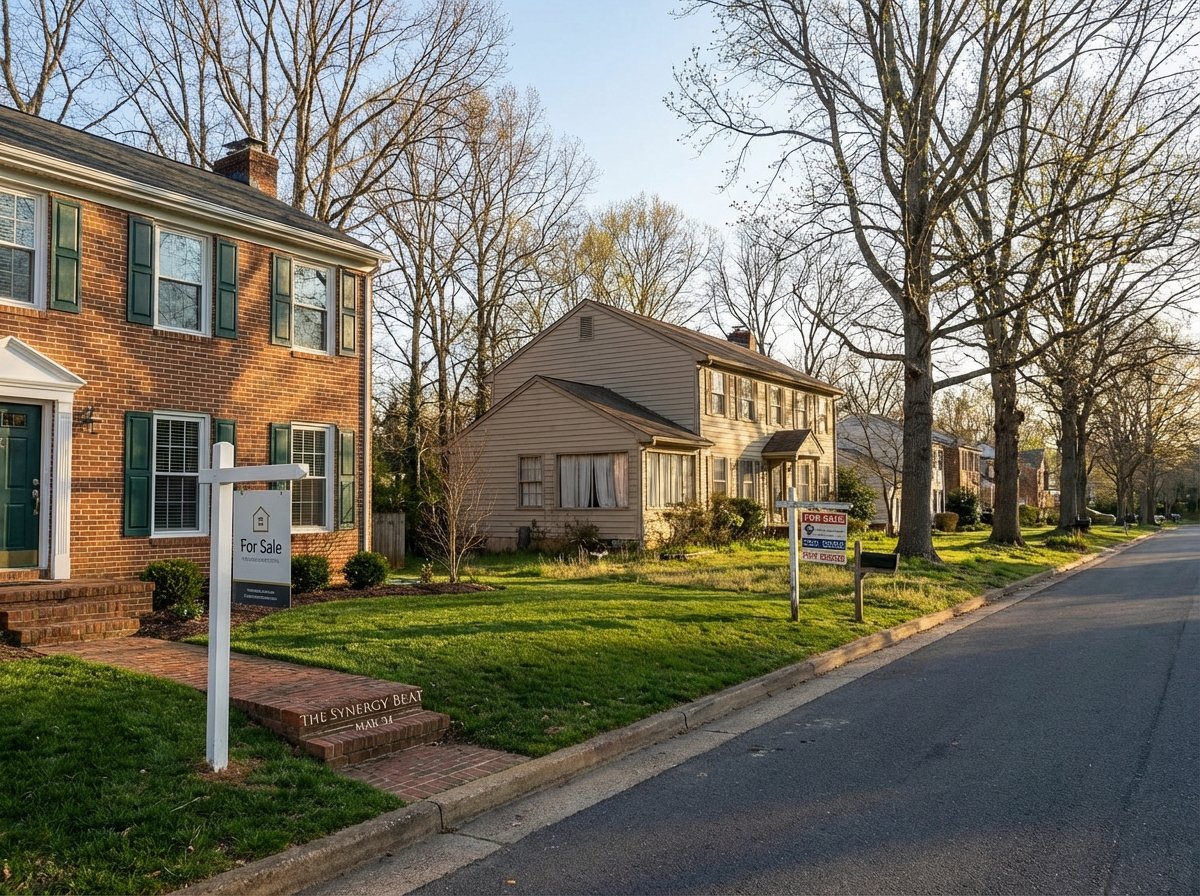
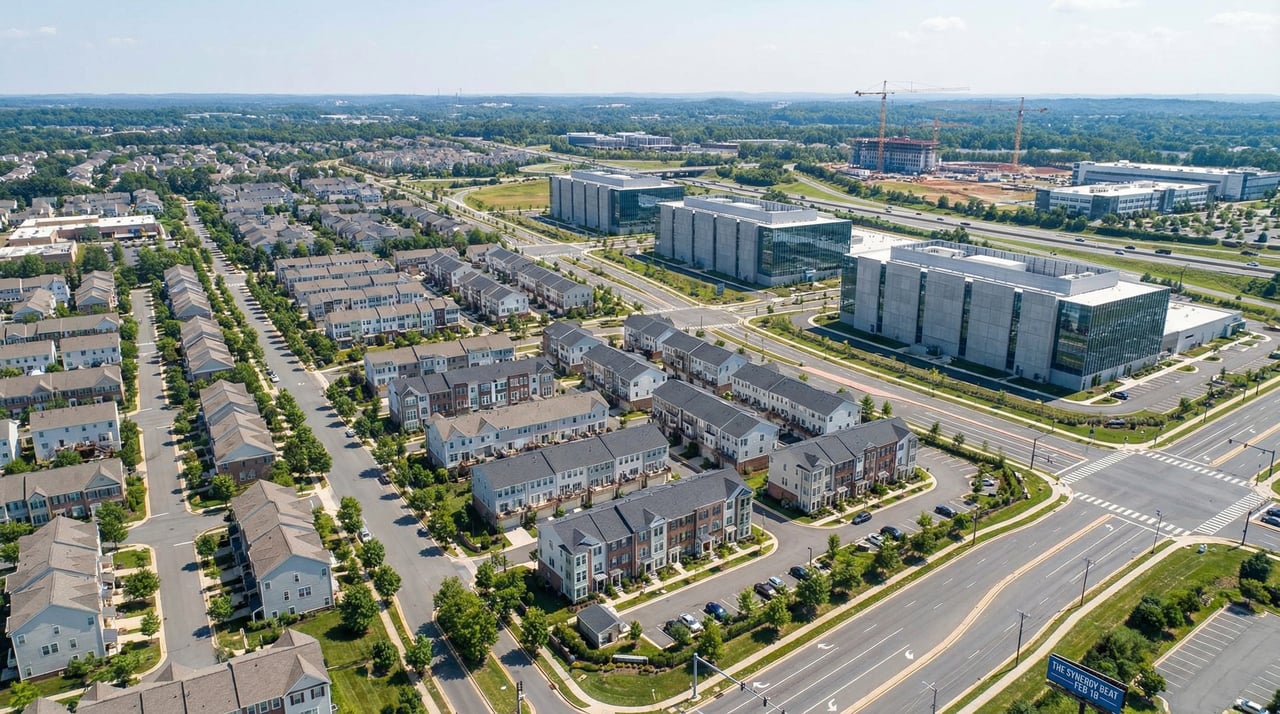
The final full week of 2025 is defined by a striking paradox: a national economy that refuses to cool and a local housing market that is rapidly recalibrating. While the U.S. GDP clocked a surprisingly robust 4.3% growth rate, the DMV region is grappling with a massive 35% surge in active listings—the largest inventory pivot we have seen in years. The "vibe" is one of cautious transition; sellers are finding that the old playbooks no longer apply, while buyers are finally regaining the upper hand in negotiations.
TOP HEADLINES
-
National GDP Defies Gravity: U.S. economy expands at a 4.3% annual rate in Q3, far exceeding analyst expectations.
-
The DMV Inventory Spike: Active listings across the DC Metro jump 35% year-over-year, hitting a multi-year high.
-
The 45% Discount Reality: Nearly half of all DMV homes are now closing below original list prices as buyer leverage returns.
-
Federal Workforce Friction: Post-shutdown data reveals local market softening as "DOGE" initiatives and federal spending cuts impact regional demand.
-
Global Rate Easing Legacy: Major central banks conclude the largest rate-cutting cycle since the financial crisis, signaling a shift for 2026.
DETAILED REPORTS
1. The GDP Growth Engine vs. Stubborn Inflation
What Happened: The Commerce Department reported today that the U.S. economy grew at a 4.3% annual rate last quarter. This growth was fueled by relentless consumer spending and government outlays. However, the Fed's preferred inflation gauge (PCE) remains sticky at 2.8%, well above the 2% target.
Why It Matters (National + DMV): Strong growth typically justifies higher interest rates for longer. For the DMV, this means mortgage rates may remain on a "plateau" rather than a "slide." Our local economy, deeply tied to federal spending, feels the weight of this inflation more acutely in construction costs and renovation expenses.
What This Means:
-
Buyers: Do not wait for a "crash" in rates; current growth suggests they will stay elevated through Q1.
-
Sellers: Strong consumer spending means there is still liquidity in the market, but buyers are more selective.
-
Investors: Higher-for-longer rates make cash flow analysis critical; prioritize high-yield opportunities over pure appreciation plays.
2. The DMV Inventory Explosion
What Happened: Recent data from Bright MLS confirms a decisive shift in the DC, Maryland, and Virginia markets. Active listings have surged 35% to 60% depending on the sub-market. In some Maryland divisions, the number of unsold homes is up 68% compared to late 2024.
Why It Matters (National + DMV): This isn't just a seasonal shift; it’s a structural reset. The combination of a late-autumn government shutdown and federal workforce reorganization has caused a spike in listings while demand softened slightly.
What This Means:
-
Buyers: You have the most choice you've had in three years. Use this window to be picky.
-
Sellers: Pricing is no longer a "guess and check" game. If you aren't priced perfectly on Day 1, you will sit.
-
Investors: Supply-heavy markets like suburban Maryland offer significant opportunities for value-add acquisitions.
3. The Return of the Negotiated Deal
What Happened: A staggering 45% of DMV homes are now selling below list price. Furthermore, over 52% of sellers are now offering closing cost assistance—a concession almost unheard of in this region eighteen months ago.
Why It Matters (National + DMV): The "power dynamic" has flipped. While median list prices are technically up 5.4%, the sold prices tell a different story of flexibility and compromise.
What This Means:
-
Buyers: Home inspections and closing cost credits are back on the table. Do not waive your protections.
-
Sellers: Expect to give a little to get the deal done. "As-is" is a harder sell today.
-
Investors: Look for "stale" listings (30+ days on market) where sellers are desperate to avoid a price cut and may offer creative financing or credits.
4. Federal Policy and the "DOGE" Effect
What Happened: Emerging reports on federal employment cuts and the return-to-office mandates have cooled demand in some high-density DC and Northern Virginia corridors. While a "mass exodus" hasn't occurred, new listings are up 6.8% year-over-year as some federal workers reassess their housing needs.
Why It Matters (National + DMV): The DMV's "recession-proof" reputation is being tested by administrative shifts. Real estate demand is shifting from the urban core toward transit-accessible suburbs where value remains higher.
What This Means:
-
Buyers: Watch for pockets of motivated sellers in neighborhoods with high concentrations of federal contractors.
-
Sellers: Highlight non-federal employment hubs (Tech, Healthcare) to broaden your buyer pool.
-
Investors: High-end rentals in Arlington and Bethesda remain stable, but lower-tier condos are seeing higher vacancy risks.
5. Global Wildcard: The Central Bank Easing Pivot
What Happened: In 2025, 9 of the 10 most traded currencies' central banks lowered interest rates. This massive global liquidity injection has supported asset prices globally, but as 2026 approaches, the tone is turning hawkish again due to trade tariffs and geopolitical friction.
Why It Matters (National + DMV): Global capital flows directly into U.S. real estate. When European or Asian central banks ease, U.S. Treasuries (and mortgage rates) feel the ripple effect. If global banks pivot back to hiking in 2026, we could see a sudden tightening of credit.
What This Means:
-
Buyers: Lock in your financing now while the global "easing" tailwinds are still present.
-
Sellers: The window of "cheap" global money may be narrowing; Q1 2026 will be more competitive.
-
Investors: Diversify your portfolio to include assets that hedge against potential trade-related inflation.
INVESTOR INSIGHT OF THE WEEK
The current divergence between strong national GDP and local inventory spikes creates a "Dislocation Opportunity." In the DMV, the sudden 35% increase in supply combined with a high percentage of homes selling under list price suggests that the market is over-correcting to federal policy uncertainty. Smart capital should look toward the "Two-Tier Recovery"—while smaller, secondary assets are stumbling, premium properties in established zip codes like Bethesda and McLean are maintaining their underlying value despite the noise.
Bold Takeaway: In a supply-heavy market, the best investment isn't the cheapest home, but the one where you can negotiate the most seller-paid points to buy down your interest rate.
THE SYNERGY SYNTHESIS (THE MARKET VERDICT)
The final data of 2025 paints a picture of a "Hard Reset" for the Washington D.C. region. Nationally, the economy is running hot with 4.3% GDP growth, which would normally suggest a continuation of the seller’s market. However, the DMV is a unique ecosystem. The local inventory surge—reaching 60% year-over-year in parts of Maryland—is a direct reflection of regional anxiety surrounding federal workforce restructuring and the lingering effects of the autumn government shutdown. We are no longer in a market of "scarcity," but a market of "selection."
Comparing jurisdictions, we see a tale of two markets. Loudoun County has shown remarkable resilience with a 4.6% increase in median sold prices, anchored by its tech-heavy corridor. Conversely, Falls Church City has seen a 13.3% drop in median sold prices as high-end buyers become more price-sensitive. This contrast highlights the importance of hyper-local data; a strategy that works in NoVA may fail in Montgomery County.
Forecast: The emerging opportunity for the next month lies in the "January Thaw." Many sellers who failed to move properties in Q4 will be highly motivated to start the new year with a clean slate. The primary risk is the 2026 Trade Policy Review, which could reignite inflation and force the Fed to halt any further rate cuts.
WHY IT MATTERS TABLE
|
Role |
Strategic Recommendation (This Week) |
|
Buyer |
Leverage the "Half-Off" Trend: Almost 50% of homes are selling under list; ask for 3% in closing credits. |
|
Seller |
Aggressive Market Entry: Price 2-3% below recent comps to stand out among the 35% inventory surge. |
|
Investor |
The Yield Play: Look for suburban Maryland "stale" inventory to convert into high-demand mid-term rentals. |
With data as our compass and community as our core, The Synergy Group of Compass helps clients navigate the complexities of the DMV market with the precision of a seasoned developer and the heart of a neighbor.