Stalled Reform, Shrinking Federal Space, and the Cost Wall Builders Cannot Absorb
Stay ahead of the market with expert insights, real-time data, and stories shaping the Washington D.C., Maryland, and Virginia real estate landscape.
Weekly Snapshot
The DMV housing market is navigating a convergence of supply-side failures and demand-side friction that is structural, not seasonal. Maryland's most consequential zoning reform in a generation, the Starter and Silver Homes Act, was shelved before the 2026 General Assembly session ended, leaving minimum lot sizes and setback rules intact across Montgomery, Prince George's, and Wicomico counties for at least another year. At the same time, the federal government's accelerating disposal of underutilized office buildings in Southwest D.C. is creating a near-term redevelopment pipeline with genuine residential upside, though execution timelines remain long.
At the national level, builder sentiment registered below the 50-point breakeven for the 25th consecutive month, with 61% of builders deploying sales incentives and construction input costs rising 6.2% in 2026 under sustained tariff and geopolitical pressure. Mortgage rates, at 6.36% as of May 14, sit 45 basis points below last year's 6.81%, but purchase demand is softening. Rate relief alone is not enough to re-activate buyers facing persistent affordability ceilings. The DMV's posture this week is cautious. Supply constraints are legally reinforced in Maryland, federal property conversion is early-stage, and new construction economics are deteriorating.
Top Headlines
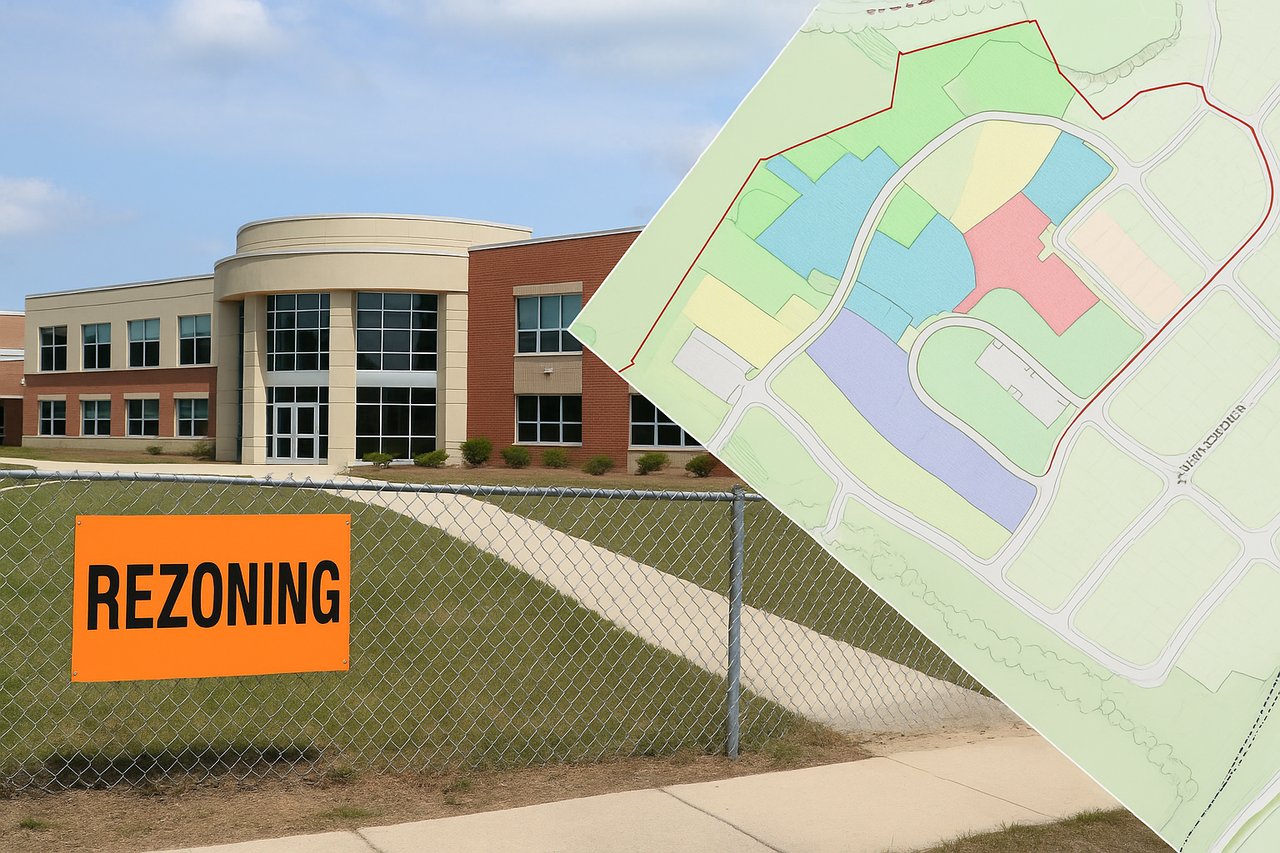
Maryland's Starter and Silver Homes Act shelved. Zoning reform that would have reduced minimum lot sizes and setbacks in MoCo, PG County, and Wicomico failed to pass the 2026 session.
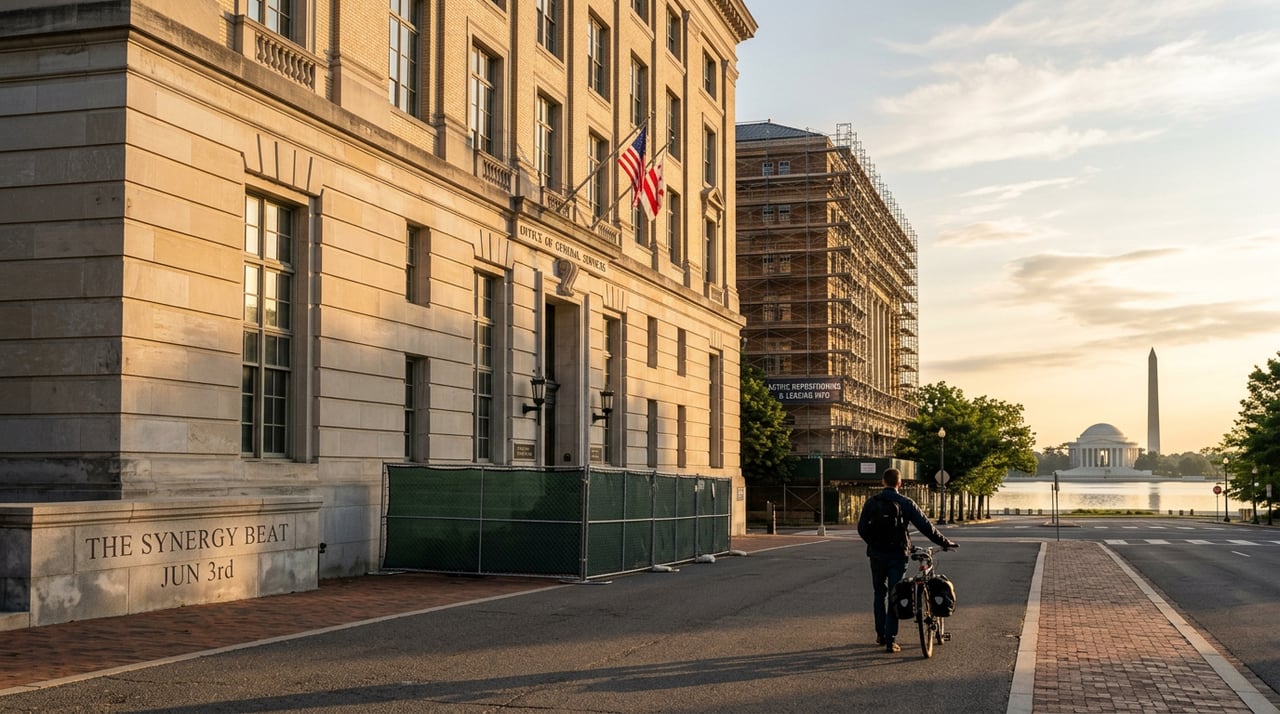
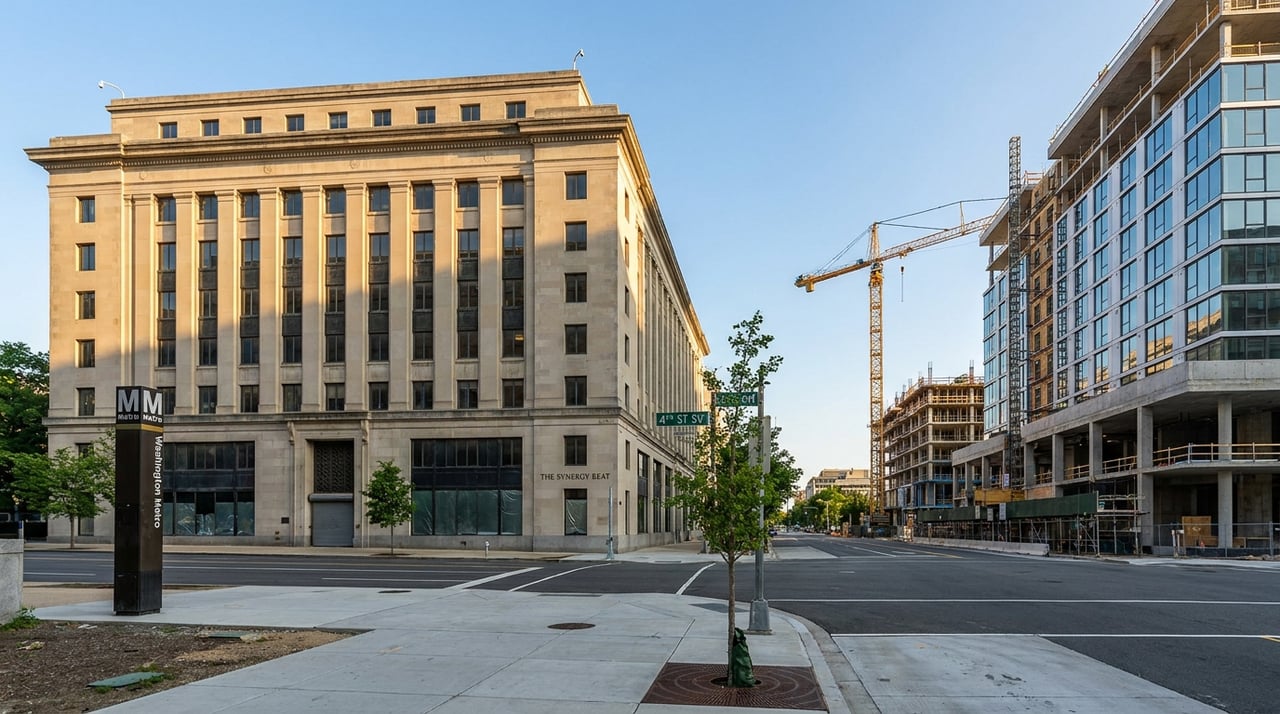
GSA completes first major DC building disposal under the Trump administration's federal portfolio purge. A 940,000-square-foot Southwest D.C. site sold to a private developer for mixed-use conversion.
NAHB HMI hits its 25th consecutive negative reading at 37. 61% of builders are deploying incentives, and construction input costs are up 6.2% year-to-date in 2026.
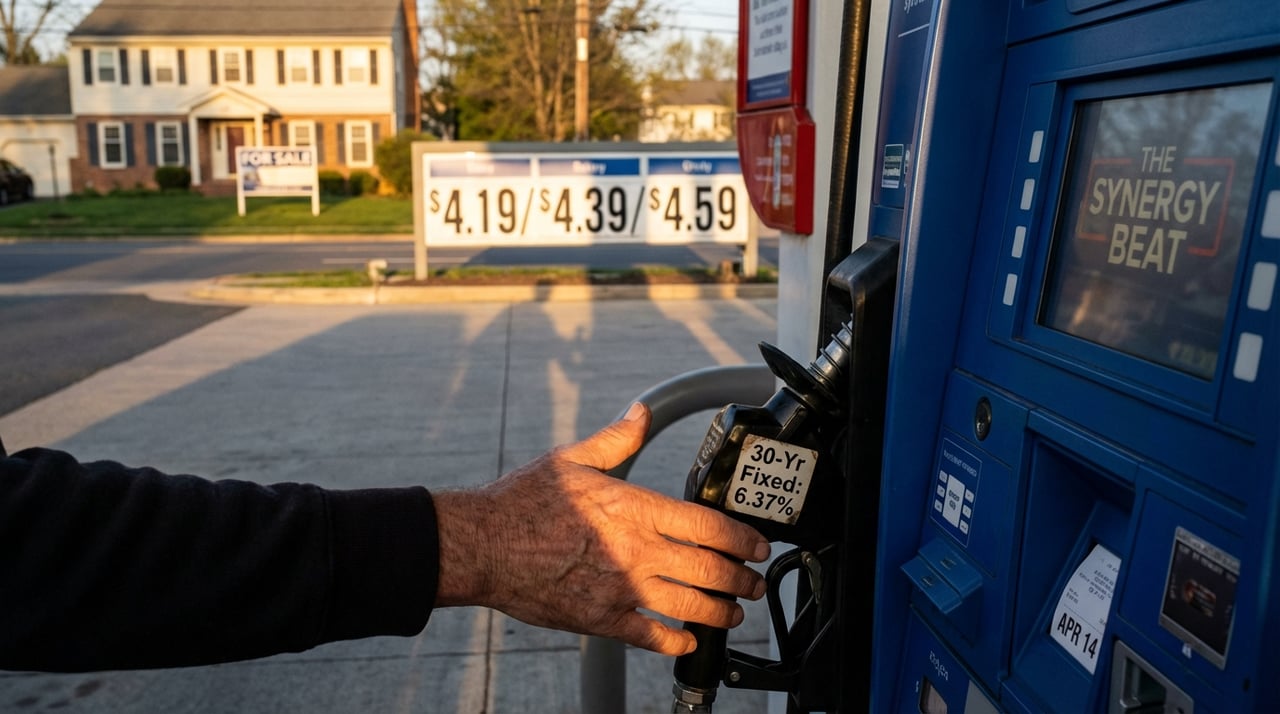
Freddie Mac PMMS puts the 30-year fixed at 6.36% as of May 14, down from 6.81% a year ago, with purchase demand softening despite the rate improvement.
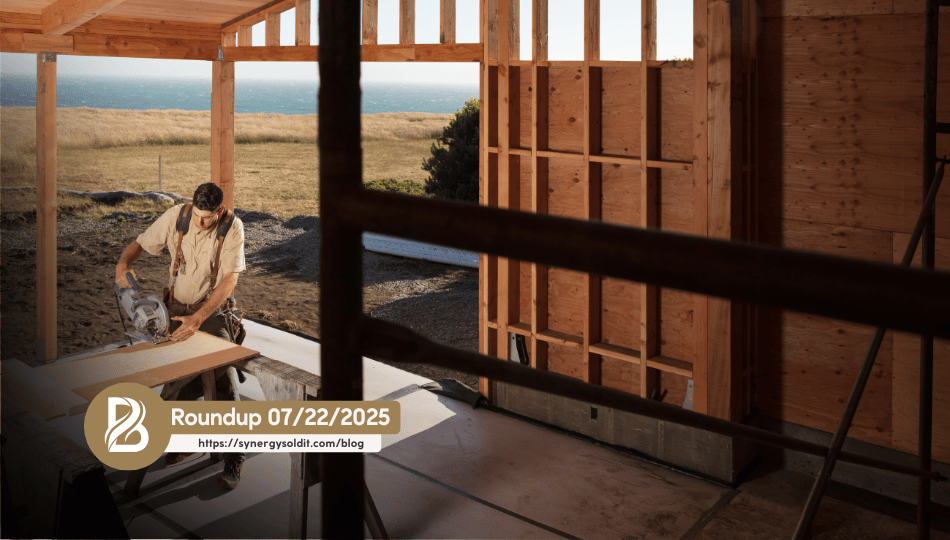
Tariff regime and Iran conflict drive construction cost pressure. Steel and aluminum sit at a 50% tariff, with per-home impact estimated at $10,900 by NAHB and more increases signaled for the second half of 2026.
Detailed Reports
Story 1: Maryland's Starter Homes Reform Shelved, Supply Relief Delayed to 2027
What happened. Maryland's Starter and Silver Homes Act of 2026 (HB 239/SB 36), which would have prohibited local governments from enforcing minimum lot sizes above 5,000 square feet for single-family homes in areas served by public water and sewer, reduced setback requirements, and allowed owners to subdivide improved lots into up to three smaller parcels, was shelved and will not become law in the 2026 General Assembly session. The bill targeted charter counties with broad home-rule authority, including Montgomery, Prince George's, and Wicomico. A companion bill to streamline development approvals (SB 325) saw partial passage. The Maryland Transit and Housing Opportunity Act (HB 894), which modifies land use and tax rules in designated transit-oriented development zones, did pass. (Sources: The Daily Record, Maryland General Assembly, MACo)
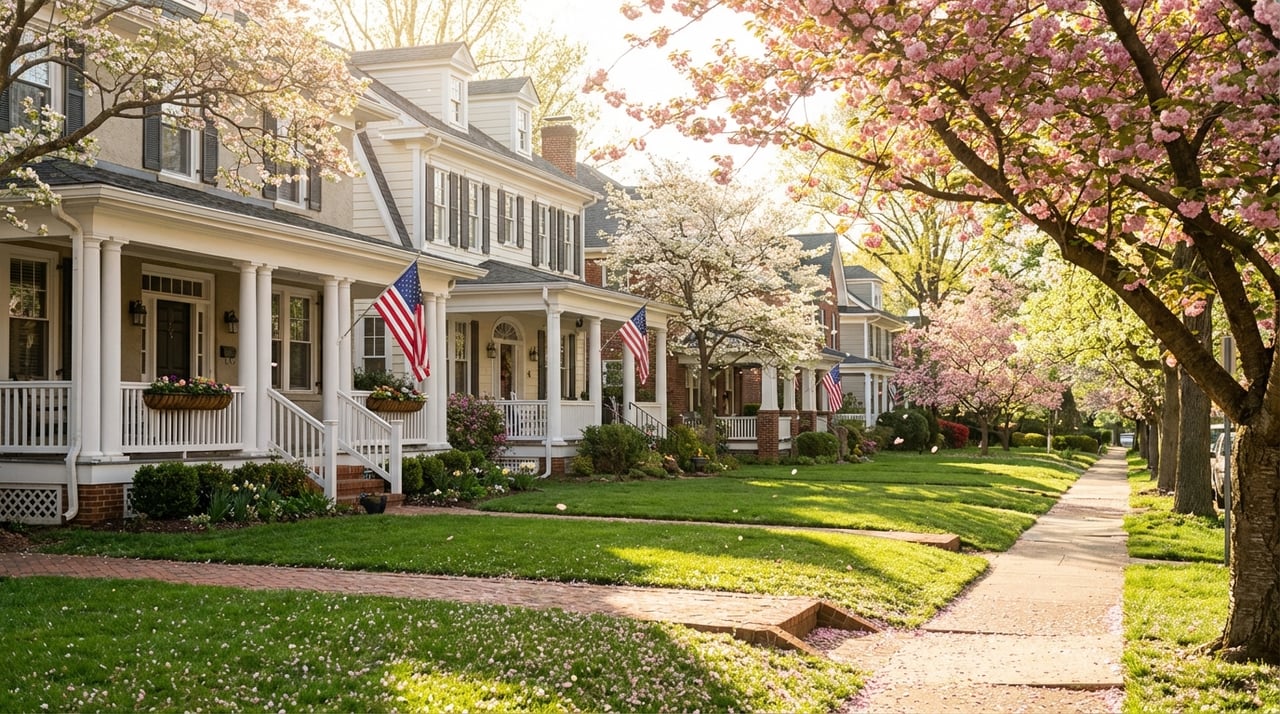
Why it matters for the DMV. The defeat of this bill means Montgomery County and Prince George's County will enter the 2027 cycle with no mandated reduction in zoning barriers to smaller homes. The corridor from Bethesda to Silver Spring, where single-family lot minimums routinely exceed 7,500 to 20,000 square feet, will see no legislated supply increase. For buyers, this preserves pricing pressure in these submarkets. For existing owners, it protects the density rules that underpin property values in established neighborhoods. The transit-oriented development bill's passage is a more targeted win, benefiting infill sites near Metro stations where density increases now come with tax incentives.
Who it impacts first. Sellers in Montgomery County and Prince George's County, whose scarcity protection holds. Developers, since infill TOD sites gain a legislative tailwind while the suburban greenfield pipeline stalls. Buyers, who get no near-term supply relief from zoning reform in Maryland's two most expensive suburban counties.
Story 2: GSA Sells First Major D.C. Office Under Federal Portfolio Purge
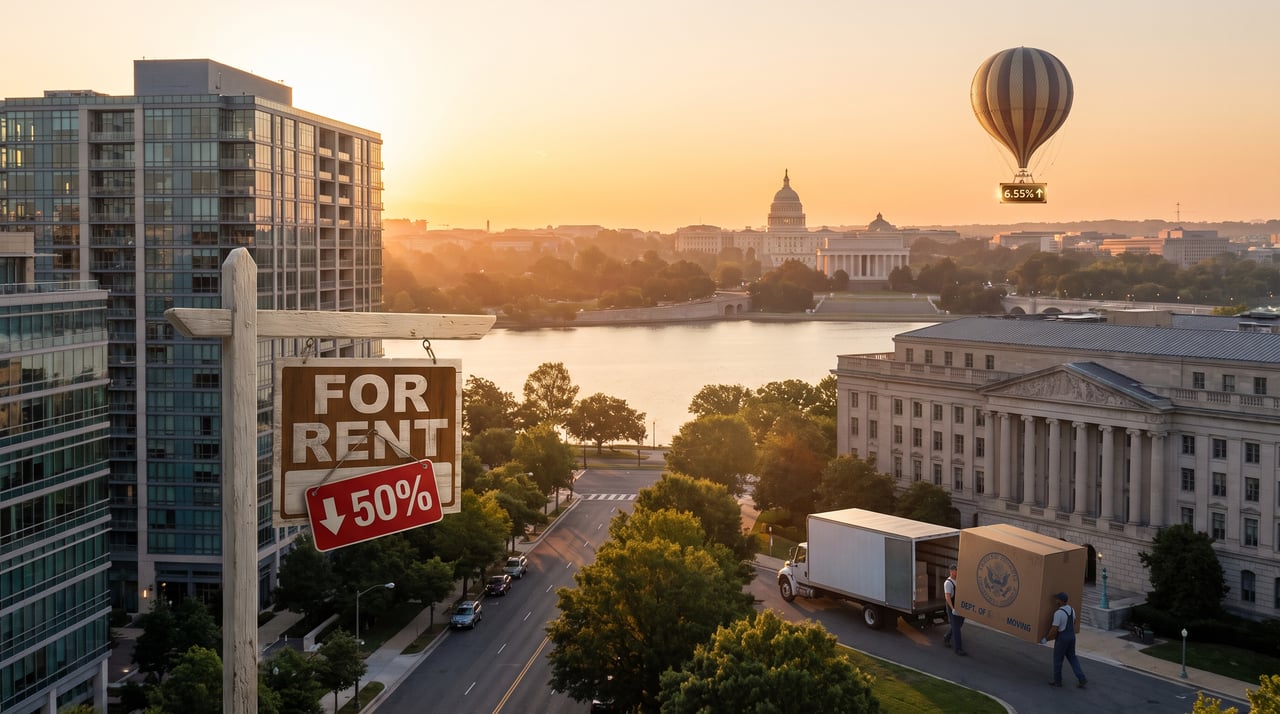
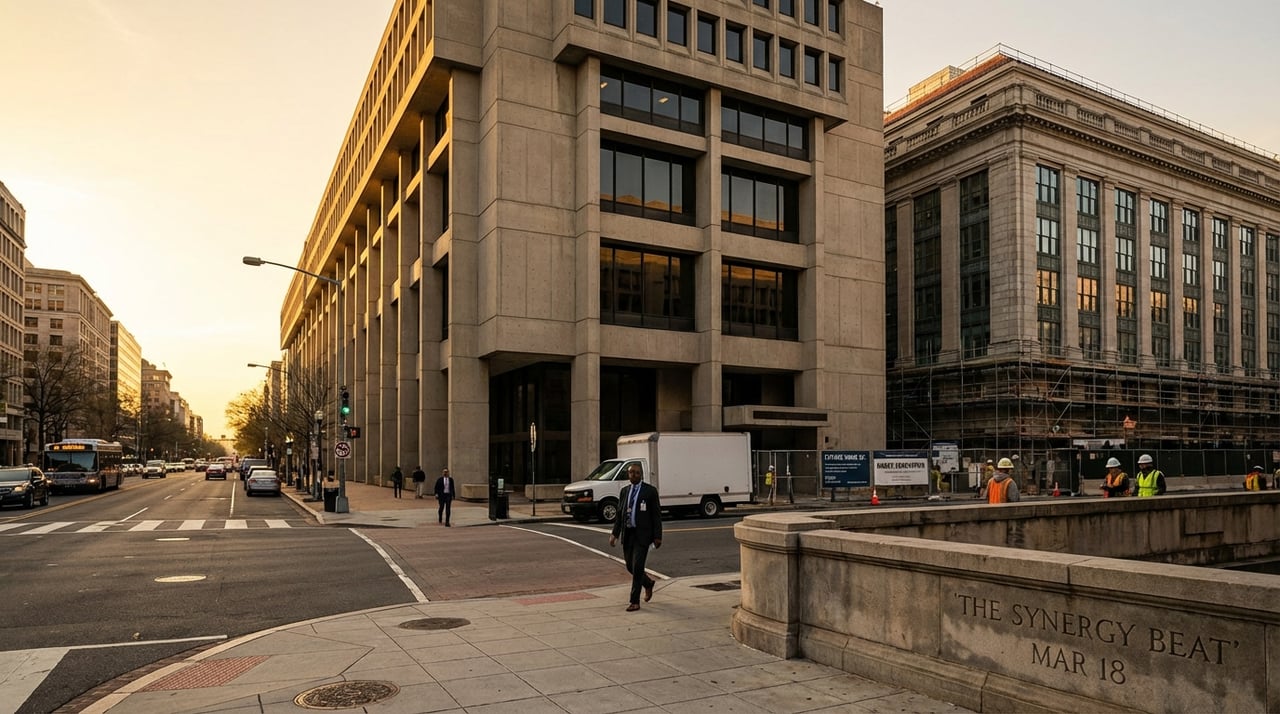
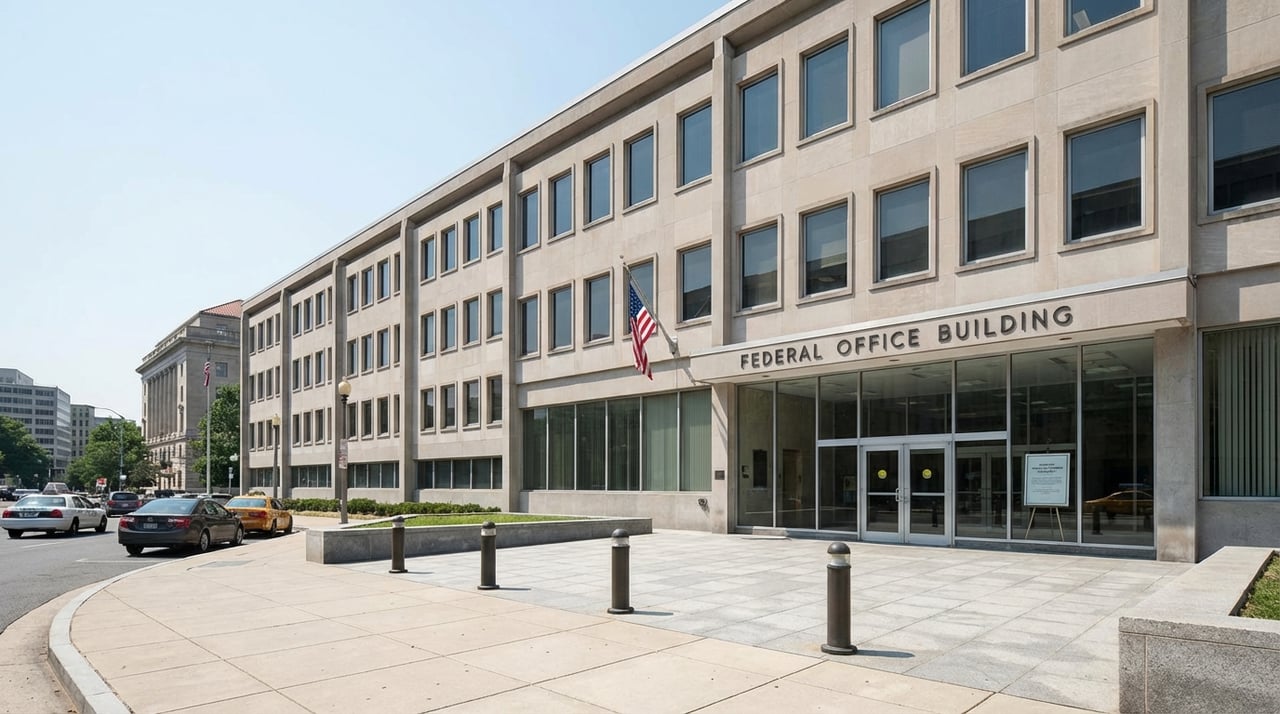
What happened. The U.S. General Services Administration completed the sale of its 940,000-square-foot Regional Office Building at 301 Seventh Street SW in Washington, D.C., the first major federal building disposal under the Trump administration's directive to shrink the government's real estate footprint. An affiliate of Dalian Development purchased the property for $24.26 million. The building, which housed the Department of Homeland Security until March 2025, closed in 60 days from contract to close. GSA has flagged additional buildings for disposal, including the USDA South Building (2.1 million square feet, $1.6 billion in deferred maintenance), the HUD headquarters (1.1 million square feet), and the Department of Energy's Forrestal Building (1.7 million square feet). GSA and OPM are also consolidating headquarters, with GSA temporarily relocating to the Theodore Roosevelt Federal Building beginning July 2026. (Sources: CoStar, WTOP, GSA, Government Executive, Federal News Network)
Why it matters for the DMV. This is the leading edge of a federal property disposal wave with direct implications for Southwest D.C., Penn Quarter, and the broader downtown core. The Southwest Waterfront neighborhood, already mid-transformation through the Wharf development, now has a 3.4-acre, 940,000-square-foot mixed-use conversion catalyst within walking distance of L'Enfant Plaza Metro. Dalian has indicated plans for housing, retail, and entertainment. If the HUD and USDA disposals proceed, the volume of federal space being released into D.C.'s commercial-to-residential conversion pipeline becomes material. This will not move property values overnight, since conversion timelines are measured in years, but it repositions Southwest D.C. from a federal office district into a potential residential growth corridor.
Who it impacts first. Investors and developers, since adjacency plays around L'Enfant Plaza and the Southwest waterfront carry the clearest near-term upside. Buyers holding condos for the long term, since the conversion pipeline supports a long-term residential value thesis for the SW Waterfront submarket. Commercial property owners in DC's downtown core face additional vacancy headwinds as federal tenants consolidate.
Story 3: NAHB HMI Marks a 25th Consecutive Negative Reading as Builder Incentives Reach a Record Streak
What happened. The NAHB/Wells Fargo Housing Market Index rose three points to 37 in May 2026, rebounding from April's seven-month low of 34, but remaining below the 50-point breakeven for the 25th consecutive month. The current sales conditions index stands at 40, future sales at 45, and prospective buyer traffic at 25. Thirty-two percent of builders cut prices in May, down from 36% in April, though the average discount deepened to 6% from 5%. Sixty-one percent of builders deployed sales incentives, the 14th consecutive month at or above that threshold. NAHB Chief Economist Robert Dietz cited rising long-term interest rates as a continuing demand drag. Separately, the Associated Builders and Contractors reported construction input prices up 6.2% year-to-date in 2026, with suppliers raising prices due to elevated fuel costs linked to the ongoing Iran conflict. (Sources: NAHB, HousingWire, CNBC)
Why it matters for the DMV. Builder conditions in the Northeast, the NAHB region that includes Maryland and Northern Virginia, improved five points to 44, the strongest regional reading. But 44 is still a negative reading, and the trajectory of incentive use, 14 straight months at 60% or more, tells the real story. Builders are absorbing margin to move inventory. For buyers in the DMV outer suburbs like Loudoun County, Frederick, and Prince William, this means negotiating leverage on new construction is real and growing. For investors in the resale market, the persistent construction weakness constrains new supply, which supports pricing in established walkable neighborhoods closer to the core.
Who it impacts first. Buyers of new construction in the suburbs, where leverage is real. Push for rate buydowns, closing cost credits, and upgraded finishes as standard concessions. Builders and developers, since input cost pressure from tariffs and geopolitical events is not easing and margin compression is the defining condition of 2026. Investors in resale, since constrained new supply in established DMV neighborhoods is a medium-term pricing support.
Story 4: Freddie Mac PMMS Puts the 30-Year Fixed at 6.36% as Purchase Demand Softens
What happened. Freddie Mac's Primary Mortgage Market Survey for the week of May 14, 2026 put the 30-year fixed-rate mortgage at 6.36%, down from 6.37% the prior week and 45 basis points below the 6.81% recorded at this time in 2025. The 15-year fixed-rate mortgage averaged 5.71%, compared with 5.92% a year earlier. Freddie Mac Chief Economist Sam Khater noted that purchase demand is softening but remains above year-ago levels. Existing-home sales are modestly edging up. Mortgage News Daily's daily tracking shows the 30-year FRM in the 6.5 to 6.65% range on some days, reflecting Treasury yield volatility above the PMMS survey period. (Sources: Freddie Mac, Globe Newswire, Mortgage News Daily)
Why it matters for the DMV. A 45-basis-point improvement in rates year over year is meaningful for DMV buyers at the $700,000 to $900,000 price range that dominates Montgomery County and Arlington. On a $750,000 mortgage, the difference between 6.81% and 6.36% is roughly $270 per month in principal and interest, real money that expands the qualified buyer pool. The softening demand signal from Freddie Mac suggests the rate effect is already priced into current buyer psychology. Buyers who planned to wait for rates below 6% face a recalibration. Freddie Mac's own economists and Bright MLS forecasts project rates remaining in the low-6% range through year-end, with no near-term catalyst for a meaningful further drop.
Who it impacts first. Buyers, since the rate window at 6.36% is better than anything seen since late 2022, and waiting for sub-6% is a documented behavioral trap in the current environment. Sellers, since the expanded qualified buyer pool at this rate level supports pricing power, particularly in the $600K to $1M segment in Northern Virginia and Montgomery County. Investors, since financing costs are more manageable than a year ago. Revisit cash-flow models on rental acquisitions in Arlington and Silver Spring.
Story 5: Tariff Regime and Iran Conflict Drive a 2026 Construction Cost Surge
What happened. Construction input prices rose 6.2% in 2026 year-to-date, according to Associated Builders and Contractors data released this week. The NAHB estimates tariffs are adding roughly $10,900 to the cost of building a typical single-family home, with steel and aluminum subject to a 50% Section 232 tariff, kitchen cabinets and bathroom vanities at 25% (rising to 50% as of January 2027), and Canadian softwood lumber at a combined duty of 34.45%. The Iran conflict has elevated oil prices, pushing petrochemical-based inputs like paint, resins, epoxies, and PVC pipe higher. Sherwin-Williams and other major suppliers have announced price increases citing both the tariff environment and geopolitical energy cost shocks. Seventy percent of builders report that material cost uncertainty makes it difficult to price homes accurately. (Sources: HousingWire, NAHB, Tax Foundation, Associated Builders and Contractors)
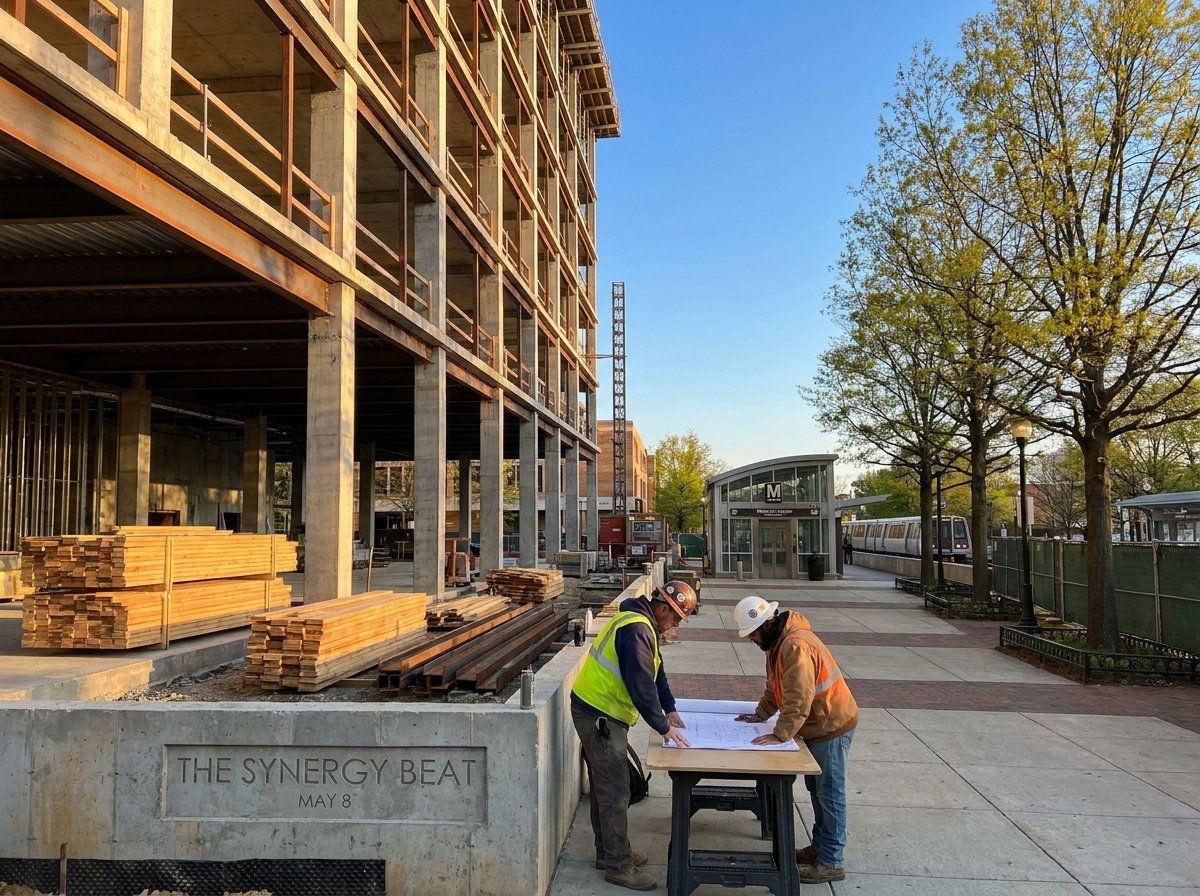
Why it matters for the DMV. The DMV's new construction supply is concentrated in outer-ring suburbs like Loudoun, Frederick, Prince William, and Howard counties, where land costs are lower but construction cost sensitivity is highest. A $10,900 per-home tariff impact, layered on 6.2% year-to-date input inflation, directly compresses builder margins and delays project start decisions. The effect is not immediate on listing prices, since national homebuilders with long-term supply contracts absorb shocks differently than regional and local builders, but smaller DMV builders are already substituting materials and value-engineering floor plans to hold price points. This dynamic will throttle outer-ring supply growth in the second half of 2026 and into 2027, sustaining upward price pressure in the resale market across the region.
Who it impacts first. Regional and local builders and developers, for whom cost uncertainty is existential without long-term supply contracts. Project delays and cancellations are the likely response. Buyers of new construction, since builder incentives are real today but the cost floor for new product is rising, so today's concession may be gone by Q4. Investors, who need to revise renovation and rehab cost budgets immediately as materials procurement timelines extend across the board.
Investor Insight of the Week
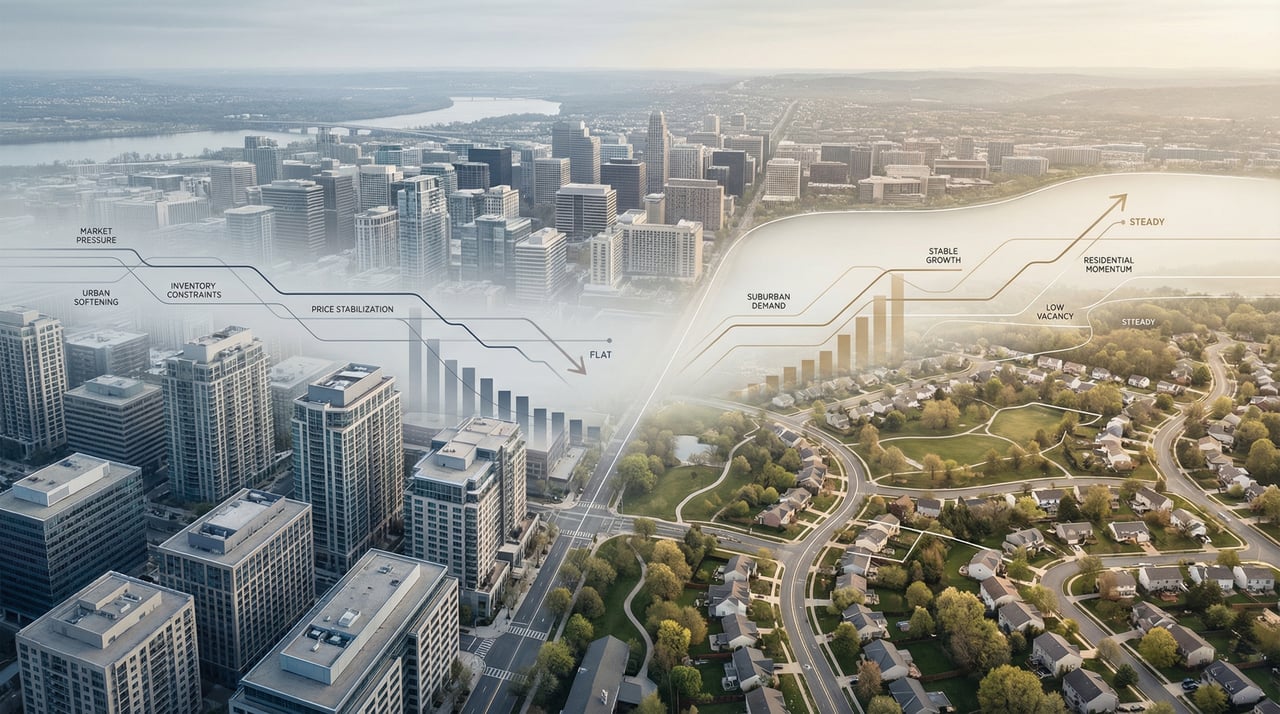
The most consequential structural shift this week is the collision of two forces moving in opposite directions. The federal government is releasing valuable urban land in Southwest D.C. while Maryland's legislature simultaneously failed to pass zoning reform that would have opened up suburban supply. The net effect is that residential development opportunity in the DMV is concentrating in core urban infill, precisely where the GSA disposal pipeline is building, rather than distributing across the suburbs as supply reform advocates had hoped. For investors, this points to a clear thesis. Properties within transit access of Southwest D.C., Penn Quarter, and L'Enfant Plaza are the medium-term beneficiaries of both the federal conversion pipeline and the absence of competitive suburban supply. The resale single-family market in established Montgomery County and Northern Virginia neighborhoods, meanwhile, benefits from an equally clear protection: zoning rules that limit density are staying in place. Position capital toward SW D.C. infill adjacency plays and established inner-ring MoCo and Arlington resale inventory, the two DMV submarkets with the strongest structural pricing support heading into the second half of 2026.
The Synergy Synthesis
The DMV housing market is dividing along two axes this week. On one side sit DC condos in Southwest and Penn Quarter, which are early-cycle beneficiaries of the federal building disposal wave. On the other sit Montgomery County single-family homes, protected by a now-confirmed status quo in zoning law. These two submarkets are not trading at the same risk profile. DC condos in the $400,000 to $650,000 range near L'Enfant Plaza carry a three to seven year conversion upside thesis tied to the GSA disposal pipeline, but they require patience and tolerance for near-term commercial vacancy adjacency. MoCo single-family homes in the $750,000 to $1.2 million range in Bethesda, Chevy Chase, and Potomac carry shorter-horizon demand support. Zoning protection is locked in, rate improvement at 6.36% has modestly expanded the buyer pool, and inventory in this price band remains constrained.
The clear opportunity this week is the new construction buyer in the outer-ring suburbs, Loudoun County in particular, where NAHB data confirms builders are cutting prices (32% of builders) and offering deep incentive packages (61%, the 14th consecutive month). A buyer willing to negotiate aggressively on a semi-custom build in Ashburn or Leesburg can extract genuine value through rate buydowns and closing cost credits that represent real basis-point savings over a 30-year hold. The clear risk is the small regional builder in Prince William or Frederick who is pricing new projects on the assumption that construction input costs stabilize in the second half of 2026. With the Iran conflict sustaining oil-linked cost pressure and tariffs on steel, aluminum, and cabinets entrenched through at least 2027, that assumption is not defensible.
What This Means for You
If you're buying, lock a rate now at 6.36%. The year-over-year improvement is real, but softening purchase demand signals this window may be brief. Focus on resale inventory in MoCo and Arlington where sellers are more negotiable, and avoid new construction bids where tariff cost increases are not yet fully priced.
If you're selling, price with discipline. The rate drop from 6.81% to 6.36% expanded the buyer pool modestly, but NAHB's 25th consecutive negative reading confirms buyers are price-sensitive. In suburban Maryland, the failure of the Starter Homes Act preserves your neighborhood's density protection, so lean into it in your marketing.
If you're investing, Southwest D.C.'s federal building disposal pipeline is the most compelling medium-term opportunity in the DMV. Target adjacency plays, properties within a 10-minute walk of L'Enfant Plaza that will benefit from the mixed-use conversion of the 940,000-square-foot GSA site. Watch for additional HUD and USDA building disposals.
If you're building, construction input costs are up 6.2% in 2026, steel and aluminum sit at a 50% tariff, and the NAHB HMI has held at 37 for the 25th straight month. This is not a supply-side recovery environment. Pause aggressive land acquisition in outer-ring suburbs where buyer traffic is weakest, with the index at 25. Focus capital on infill sites near Metro in jurisdictions where the transit-oriented development bill (MD HB 894) passed.
With data as our compass and community as our core, The Synergy Group of Compass helps clients act on a DMV market where federal policy shifts, zoning gridlock, and construction cost pressure demand strategic decisions rather than reactive ones. When the rules change by jurisdiction and the math changes by the quarter, having someone who reads it every day by your side is what separates a confident move from a costly guess.