DMV Home Prices Show Why Real Estate Is Still One of the Best Hedges Against Inflation
Washington, DC inventory dropped by more than 7% this year. Montgomery County's inventory grew by almost 15%. By the textbook rules of supply and demand, those two markets should be heading in opposite directions on price. They're not
Both are up year over year, and so is Arlington.
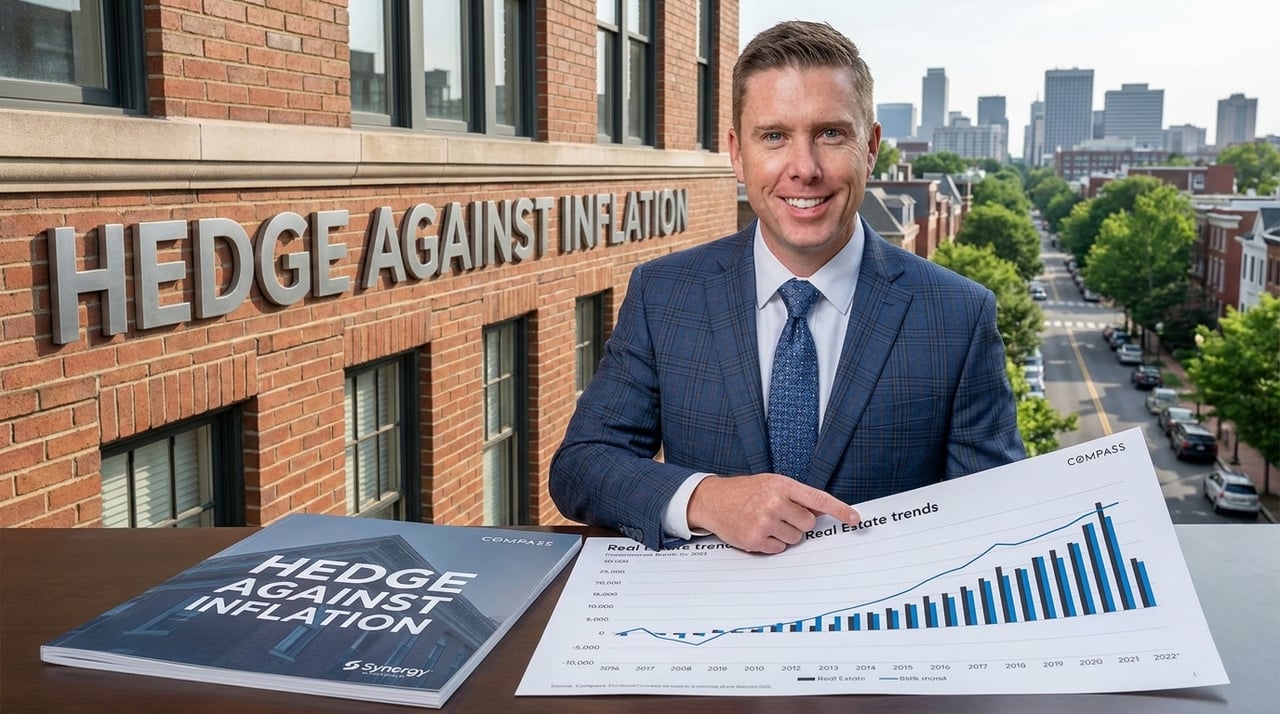
That contradiction may be the clearest signal yet of what's actually driving the DMV market right now. Real estate isn't simply appreciating — it's continuing to do what it has historically done best: preserve value during inflationary periods while everything else around it becomes more expensive.
Looking at the Numbers Across the DMV
Each jurisdiction is telling a slightly different story, but they're all arriving at the same conclusion.
Washington, DC
In Washington, DC, the average sale price is up 8.54% year over year, even as active listings fell from 3,046 to 2,827.
Homes are trading at 98.2% of original list price, which suggests buyers are willing to pay closer to asking prices than they were a year ago. That's particularly interesting given the ongoing uncertainty surrounding federal employment and the relatively modest pace of job growth in the city.
Something has shifted in buyer confidence.
Montgomery County
Montgomery County is perhaps the most interesting example because the numbers appear to contradict conventional wisdom.
Inventory grew by almost 14.5%, increasing from 1,752 to 2,002 active listings, yet the average sale price still rose 5.77%. Homes are also closing at 99.5% of list price.
Under a traditional supply-and-demand model, a significant increase in inventory should begin putting downward pressure on prices. Instead, buyers continue to absorb the additional inventory while values move higher.
Arlington County
Arlington continues to operate by its own set of rules.
Inventory was virtually unchanged, with 446 active listings this year compared to 445 last year. Multiple-offer situations remain common, and homes are closing at 105% of original list price.
Its limited footprint, proximity to Washington, highly regarded schools, and strong employment base continue to insulate it from broader market fluctuations.
Why Supply and Demand Doesn't Fully Explain What's Happening
Montgomery County is the biggest clue that something larger is at work.
If inventory rises and prices continue climbing, the story is no longer simply about supply constraints. Buyers who are financially prepared continue to see real estate as a place to preserve and grow wealth over time.
That's especially notable because we're operating in an environment that should, at least in theory, be slowing housing activity.
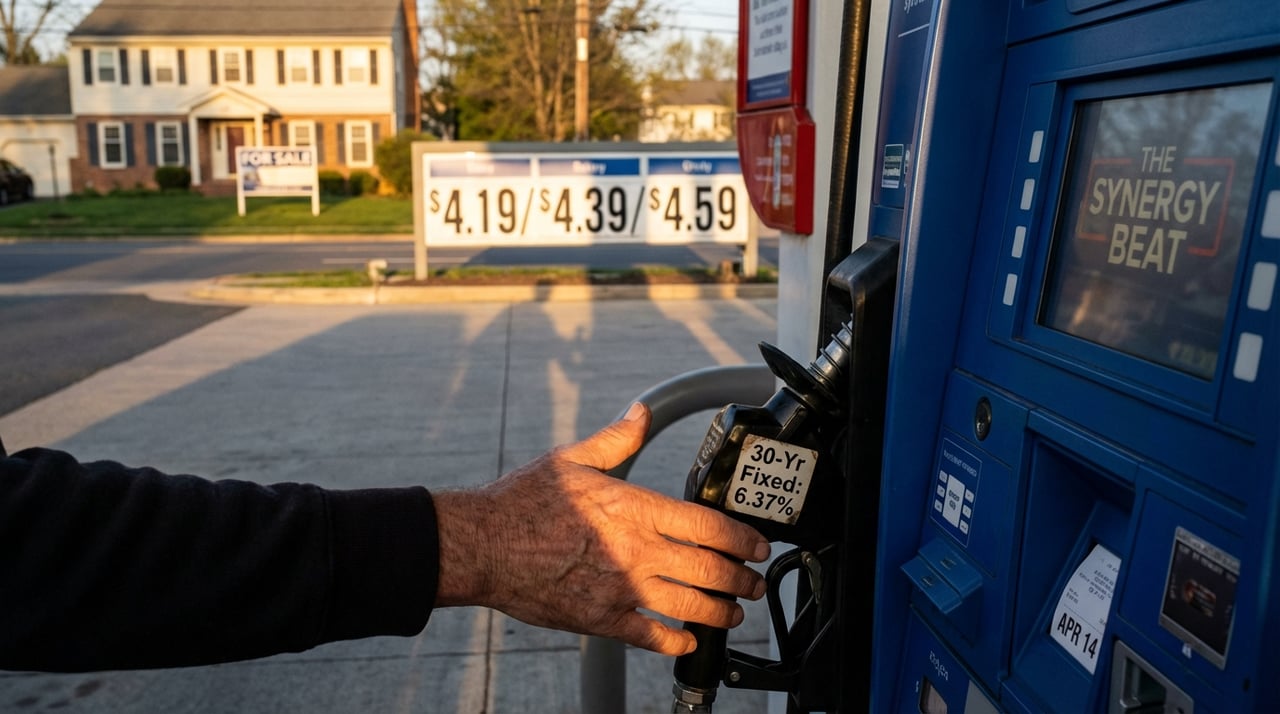
The 10-year Treasury yield is sitting around 4.5%, while mortgage rates remain between 6.25% and 6.5%. Conventional wisdom says higher borrowing costs should cool demand.
Instead, prices are climbing directly into those headwinds.
The reason is relatively straightforward: housing remains a finite asset. Demand doesn't disappear when rates rise; it simply becomes concentrated among buyers who are prepared and able to move.
Demand Is Also Beginning to Return
There's another trend emerging that's worth paying attention to.
Rent growth across the region is pushing more people toward ownership, particularly in Washington, DC.
One condo that hit the market at 5:00 PM had its first showing by 9:00 AM the following morning — the kind of activity the city hasn't consistently seen in eight or nine months.
Multiple offers are also beginning to return on DC row homes.
Those aren't signs of a market that's merely surviving because of limited inventory. They're signs that genuine buyer demand is re-entering the market.
Taking the Long View
If you zoom out far enough, this pattern isn't new.
Over the past several decades, real estate has weathered the Savings and Loan Crisis, the Great Financial Crisis, multiple recessions, and periods of significant economic uncertainty.
There have absolutely been corrections along the way. Austin, Texas, recently experienced a roughly 20% pullback, creating opportunities for buyers who were positioned to take advantage of it.
But the broader trend has remained remarkably consistent: quality real estate, held over the long term, has historically appreciated despite temporary disruptions.
This month's DMV numbers simply reinforce that larger story.
The Bottom Line
If you're deciding whether to purchase a home or invest in property, this month's data offers a clear takeaway.
Real estate continues to demonstrate resilience, whether inventory is rising or falling. Even with borrowing costs elevated, buyers are still entering the market because housing remains a limited asset with long-term value.
There may never be a perfect entry point.
The better question is whether you're ready when the opportunity presents itself.
About The Synergy Group
With more than 35 years of combined experience and nearly $1 billion in production across the DMV, The Synergy Group helps buyers, sellers, and investors make informed decisions in every type of market.
Visit SynergySoldIt.com to connect with our team and learn more about what's happening in your local market.