Federal Reserve Holds Rates as DMV Housing Market Divides Into Two Tiers
Stay ahead of the market with expert insights, real-time data, and stories shaping the Washington D.C., Maryland, and Virginia real estate landscape.
Weekly Snapshot
New Fed Chair Kevin Warsh led his first policy meeting Wednesday, holding the federal funds rate steady at 3.50 to 3.75 percent while signaling that a hike, not a cut, is the more likely move later this year. Bright MLS data confirm a D.C. metro market now split into two tiers. Million-dollar-plus sales are running well above 2019 levels in every major jurisdiction, while sub-$1M volume remains down 30 to 40 percent and first-time buyers have fallen to their lowest share since 1981. Federal property disposition continued with GSA's sale of the historic Old Post Office Building, even as NAR's national forecast for a stronger second half of 2026 stood in sharp contrast to the region's own bifurcated data. The posture heading into summer is one of division: resilient demand at the top of the market, persistent affordability strain at the bottom, and a national outlook that does not yet match what is happening on the ground here.
Top Headlines
The Federal Reserve held interest rates steady Wednesday under new Chair Kevin Warsh but signaled a possible hike later this year, citing energy-driven inflation tied to the Middle East conflict.
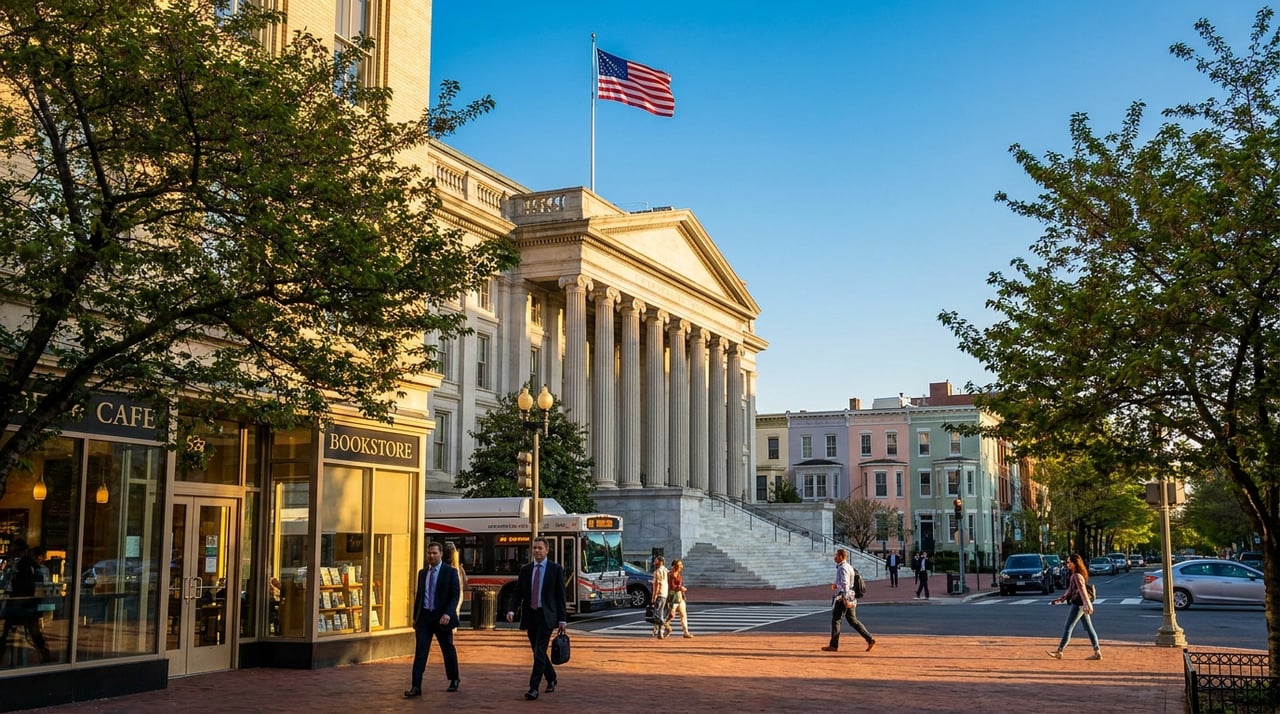
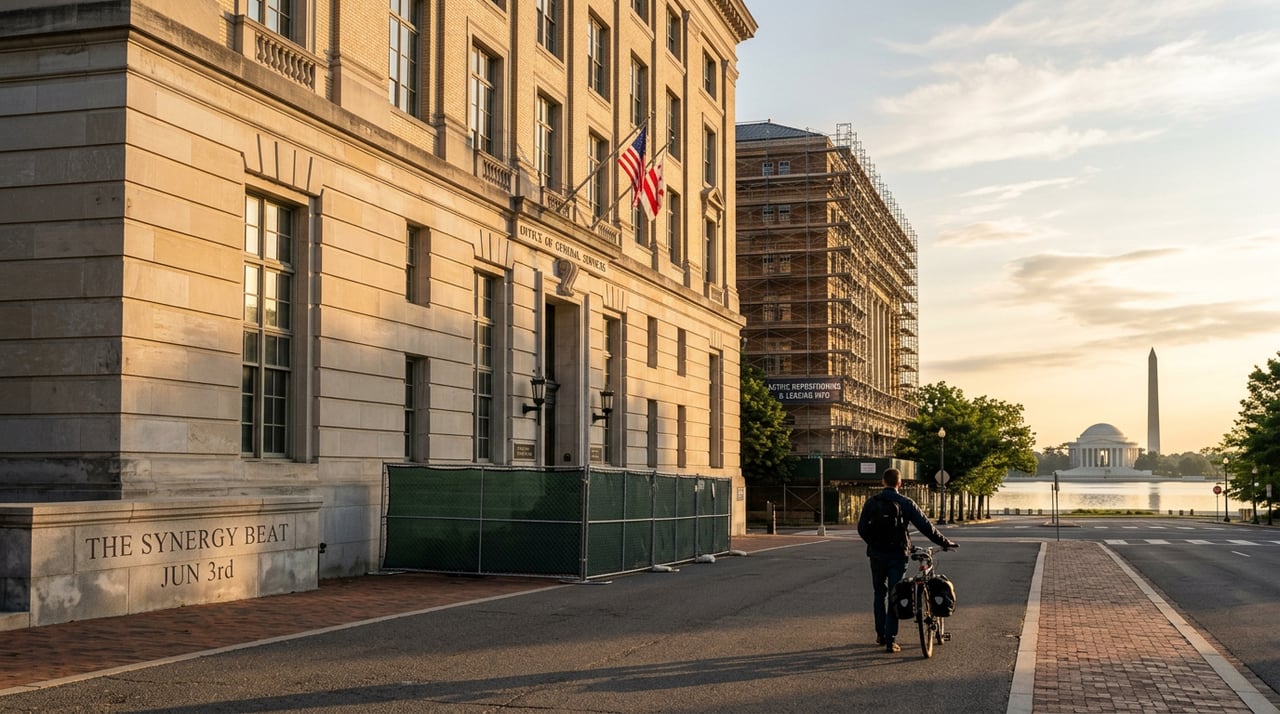
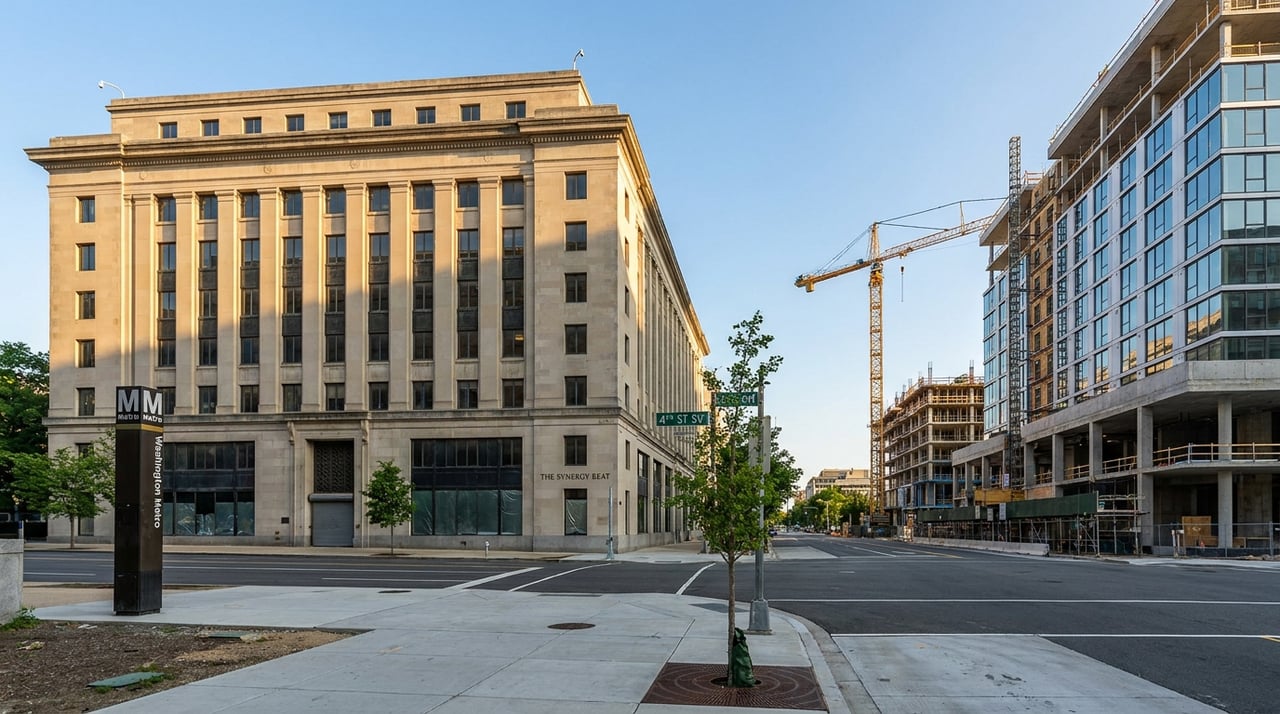
GSA completed the sale of the historic Old Post Office Building, continuing a multi-building wave of federal property dispositions across downtown D.C.
Bright MLS data confirm the D.C. metro market has split into two tiers, with $1M-plus sales running well above 2019 levels while sub-$1M volume remains down 30 to 40 percent.
NAR Chief Economist Lawrence Yun projected 4 percent growth in U.S. home sales and prices for 2026, with mortgage rates averaging 6.5 percent, a forecast that contrasts sharply with the DMV's own bifurcated local data.
Oil prices fell nearly 13 percent this week as the U.S. and Iran near a deal to reopen the Strait of Hormuz, easing one source of inflationary pressure on the Fed.
Detailed Reports
Story 1: Fed Holds Rates, Signals Hike Ahead
What happened. On June 17, the Federal Open Market Committee voted unanimously to hold the federal funds rate at 3.50 to 3.75 percent in Chair Kevin Warsh's first meeting. The Committee removed prior language suggesting a bias toward rate cuts, and its updated projections show a median year-end rate of 3.8 percent, with nine of eighteen officials now expecting at least one hike in 2026. Officials cited persistent inflation tied in part to energy-price shocks from the Middle East conflict.
Why it matters for the DMV. Mortgage rates have held in the high-6 percent range for months. A hawkish Fed removes the near-term case for relief and keeps financing costs elevated for buyers already squeezed by the region's affordability gap. It also extends holding costs for sellers carrying bridge financing and investors underwriting new acquisitions.
Who it impacts first. Buyers, since financing costs stay elevated longer than markets had hoped. Investors face tighter cap rate assumptions, and sellers carrying short-term or bridge financing absorb a secondary cost as holding periods extend.
Story 2: GSA Sells Historic Old Post Office Building
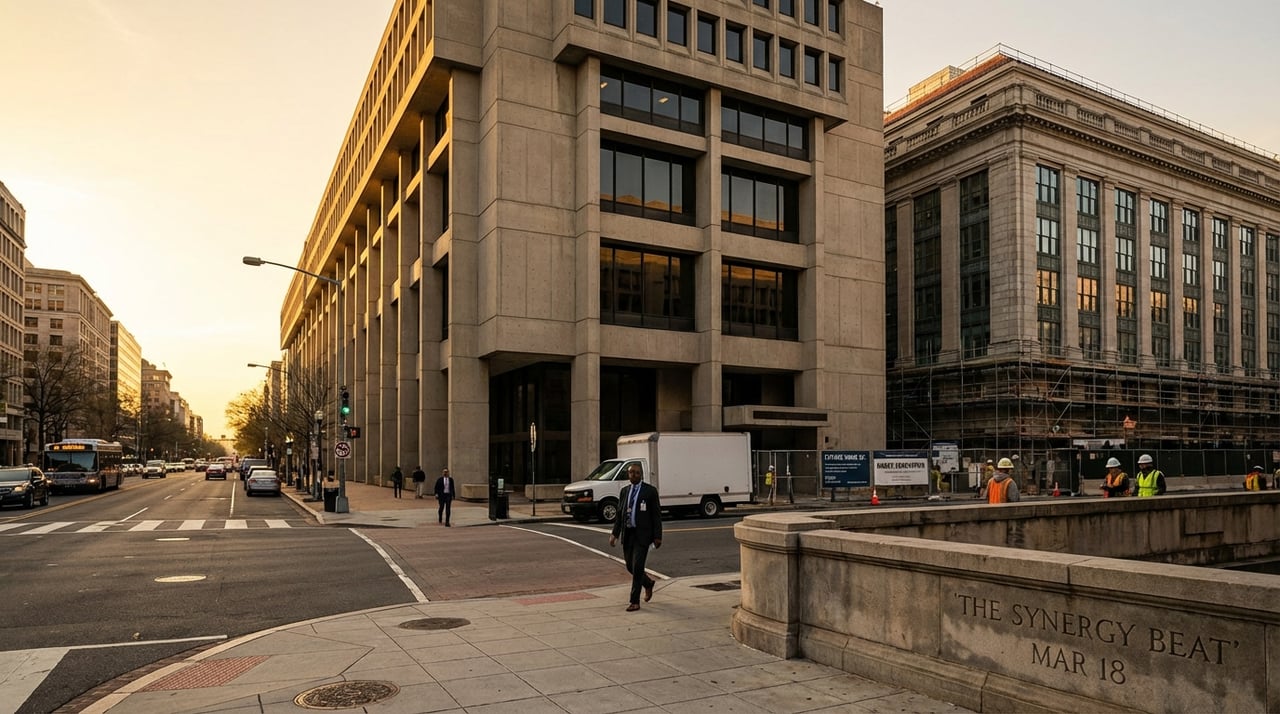
What happened. GSA completed the sale of the Old Post Office Building at 1100 Pennsylvania Avenue NW, the latest in a string of federal disposition deals following the Regional Office Building and Liberty Loan Building sales earlier this year. The agency secured permanent public access to the clock tower and a binding preservation covenant for the historic structure.
Why it matters for the DMV. Each disposition removes federally owned square footage from GSA's books and returns it to private ownership and local tax rolls, while signaling continued downward pressure on downtown D.C. office demand as agencies consolidate. Developers gain access to trophy assets at a moment when office-to-other-use conversions are increasingly viable.
Who it impacts first. Developers and builders, who gain access to a trophy downtown asset suited for adaptive reuse. Investors evaluating office-to-other-use conversions benefit next, while owners of competing downtown office product face continued oversupply pressure.
Story 3: Bright MLS Confirms a Two-Tier D.C. Metro Market
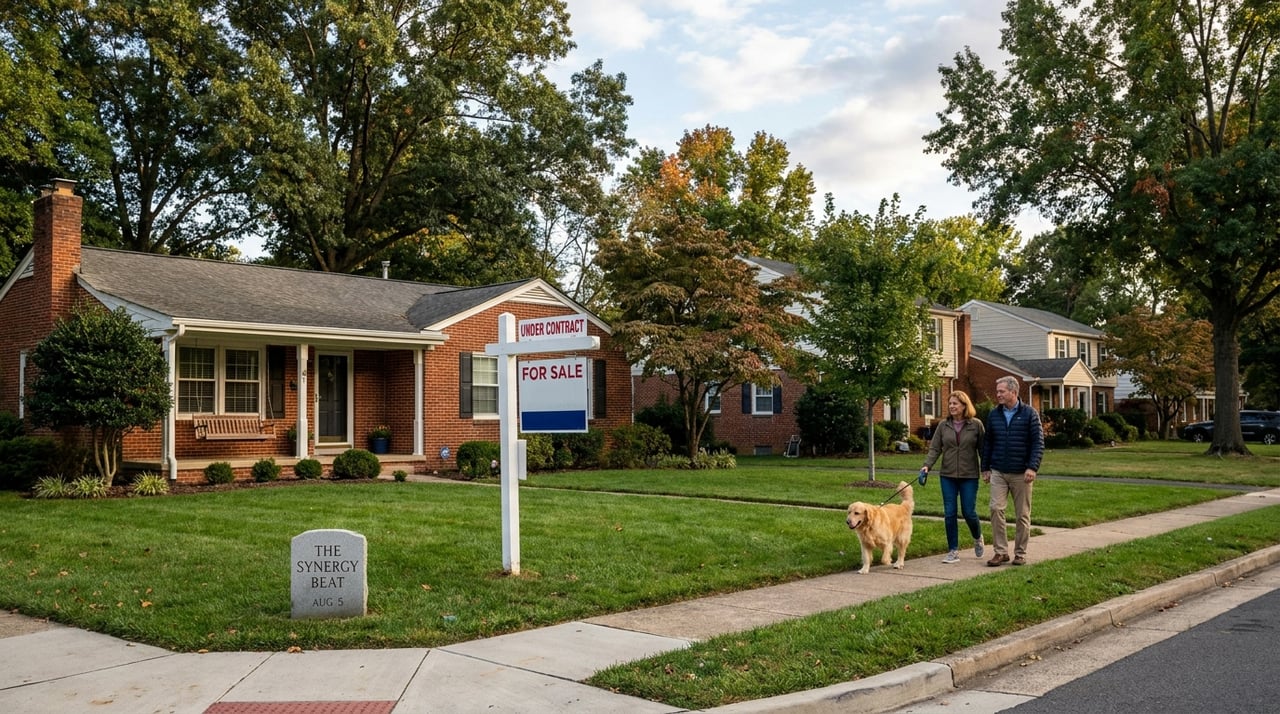
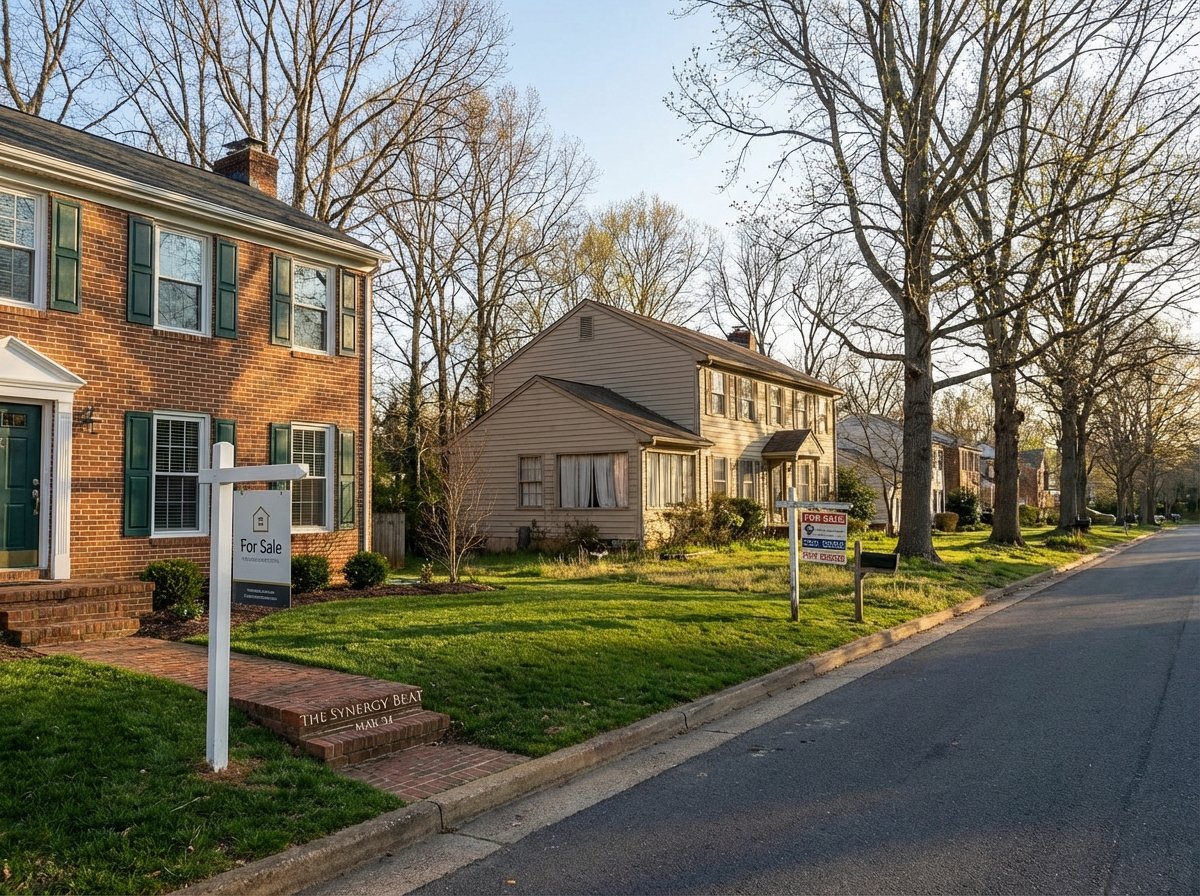
What happened. Bright MLS's June report puts the D.C. metro median sold price at $625,000, up 1.26 percent year over year, with total units sold down less than 1 percent and average days on market up 25 percent, from 28 to 35 days, through April. The data confirm a split: $1M-plus sales volume sits well above 2019 levels in every major jurisdiction, while sub-$1M volume is down 30 to 40 percent. First-time buyers now represent just 21 percent of all buyers, the lowest share since 1981.
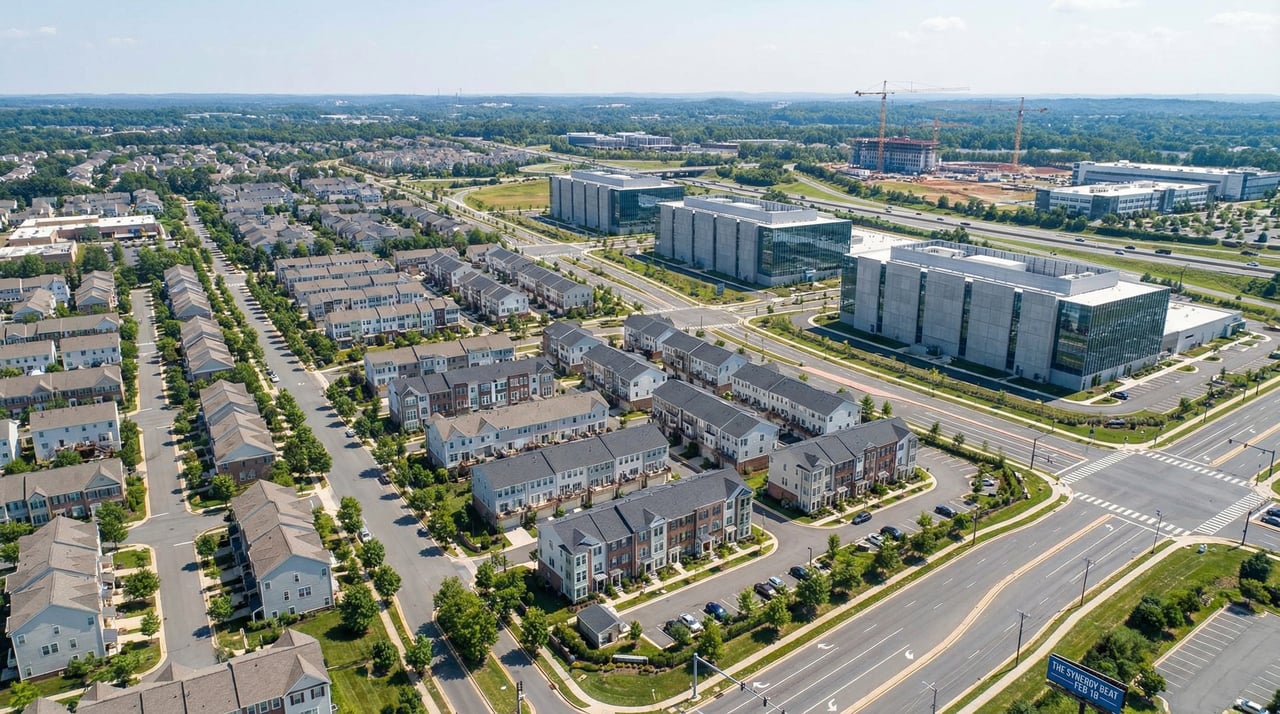
Why it matters for the DMV. The headline numbers mask two very different markets. Move-up and luxury buyers, often cash-rich, are transacting close to pre-pandemic patterns in Bethesda, Chevy Chase and McLean. Entry-level buyers in outer Montgomery, Prince George's and Loudoun counties face a structural affordability wall, widening days on market and softening that segment further.
Who it impacts first. Sellers in entry-level price bands, since longer days on market demand sharper pricing and staging. Buyers searching below $1M face a shrinking pool of competitively priced inventory, while investors targeting entry-level rental conversions encounter less competition from owner-occupants.
Story 4: NAR Forecasts a Stronger Second Half for Home Sales
What happened. At NAR's Residential Economic Issues and Trends Forum on June 16, Chief Economist Dr. Lawrence Yun projected that existing-home sales and prices will each rise roughly 4 percent in 2026, with mortgage rates averaging 6.5 percent for the year. Yun said the typical homeowner will gain approximately $16,000 in housing wealth in 2026 and that the broader economy will avoid recession, citing strong business investment in AI and data centers.
Why it matters for the DMV. A national forecast calling for stronger sales assumes conditions that do not fully apply to the DMV, where Bright MLS data already show entry-level demand weakening and federal workforce uncertainty continues to weigh on local hiring. The gap between NAR's national optimism and the region's bifurcated reality is itself the story for DMV buyers and sellers this week.
Who it impacts first. Sellers nationally may feel encouraged to list, but DMV sellers in entry-level price bands should treat the national forecast with caution given local headwinds. Buyers weighing a national mortgage rate average of 6.5 percent should benchmark against the DMV's specific affordability constraints rather than national figures, and investors should be wary of applying national demand assumptions to a regional market behaving differently.
Story 5: Oil Prices Drop as U.S.-Iran Deal Nears Signature
What happened. Crude oil prices fell nearly 13 percent from the prior week's highs as President Trump, Iranian officials and Pakistani negotiators signaled a deal to end the Iran war and reopen the Strait of Hormuz could be signed within days. Brent crude settled near $83 a barrel, down sharply from wartime peaks.
Why it matters for the DMV. Falling energy prices ease one of the inflation drivers the Fed cited Wednesday, which could eventually open room for rate cuts if the trend holds. For now, the Fed's hawkish posture suggests policymakers want sustained evidence before acting, meaning DMV buyers should not expect immediate mortgage rate relief even as global risk recedes.
Who it impacts first. Investors evaluating DMV acquisitions, who benefit first if easing energy prices eventually reduce the macro risk premium baked into financing costs. Buyers and builders would feel relief next, though only if the Fed responds to lower inflation readings with rate cuts.
Investor Insight of the Week
This week's data reward patience and selectivity over speed. With the Fed signaling no near-term rate relief and entry-level demand structurally weakened, the more durable opportunity sits in segments where affordability has already been priced in, particularly D.C. condos, where values remain meaningfully below 2019 levels even as office-to-residential conversion activity accelerates behind GSA's latest building sales. Investors underwriting new acquisitions should stress-test deals against a 2026 rate environment that may not soften before next year. The clearest move this week is to target undervalued D.C. condo and conversion plays while financing assumptions still price in near-term Fed relief that may not arrive.
The Synergy Synthesis
This week's Fed decision and Bright MLS data tell the same story from two different angles. The DMV housing market is no longer one market, it is several. In Bethesda and Chevy Chase, where median prices push well past $1M, cash-rich move-up buyers and boomer sellers are transacting close to pre-pandemic patterns, largely indifferent to the Fed's hawkish pivot. The picture looks different forty minutes out in outer Prince George's County and the edges of Loudoun, where entry-level inventory under $500,000 is sitting longer, days on market are climbing, and first-time buyers, now just 21 percent of all transactions, are being priced out at the fastest rate since 1981.
The opportunity sits in D.C.'s condo segment, where prices remain down sharply from 2019 levels even as office-to-residential conversion activity accelerates behind GSA's latest building sales. Investors who move now, ahead of broader recognition that downtown D.C. supply dynamics are shifting, can acquire below replacement cost in a submarket primed for repositioning. The risk runs in the opposite direction. NAR's national forecast of 4 percent sales and price growth assumes a healthier labor market than the DMV's federal workforce currently offers, and a Fed that signals rates staying elevated longer than markets hoped could keep entry-level buyers on the sideline regardless of the national tailwind.
What This Means for You
If you're buying, anchor financing decisions to a higher-for-longer rate scenario rather than waiting for a Fed cut that may not arrive until 2027. In Bethesda and Chevy Chase, expect continued competition. In outer Loudoun and Prince George's County, negotiate harder on listings already sitting past 35 days on market.
If you're selling, price and stage entry-level listings aggressively within the first two weeks. Bright MLS data show price cuts lose effectiveness the longer they are delayed. Sellers in $1M-plus segments can hold closer to list price given resilient demand.
If you're investing, prioritize D.C. condo and office-to-residential conversion opportunities where pricing has already reset well below 2019 levels. Stress-test all new underwriting against a rate environment that may not ease this year.
If you're building, benchmark new projects against DMV-specific absorption data rather than NAR's national forecast, since entry-level demand here is running well below the national story. Lock financing terms now given the Fed's higher-for-longer signal.
With data as our compass and community as our core, The Synergy Group of Compass helps clients act with clarity on either side of a market split between resilient luxury demand and a stalled entry-level segment. When the same region rewards confidence in one price band and hard negotiation in another, having someone who reads the divide every day by your side is what keeps you on the right side of it.