When Washington Downsizes: DMV Housing Absorbs a Federal Reset
Stay ahead of the market with expert insights, real-time data, and stories shaping the Washington D.C., Maryland, and Virginia real estate landscape.
Weekly Snapshot
This week confirmed what DMV brokers have suspected for months. The federal retreat is a balance sheet event. Brookings' latest regional data shows rents down as much as 4.4% year over year in the District, driven directly by federal workforce and contractor reductions, while GSA continues to offload large office assets across Southwest DC and the Alexandria corridor. Nationally, mortgage rates ticked back up to 6.55% as of July 16, their highest level since late May, after briefly touching a seven-week low earlier this month, while tariff-driven lumber costs hold near an eight-month high ahead of the July 24 tariff deadline. The market's posture is defensive but selectively opportunistic. The sharpest local risk sits in D.C. condos and government-dependent submarkets, and the clearest opportunity is in inventory-rich Montgomery and Fairfax counties, where buyer leverage is building.
Top Headlines
Brookings' DMV Monitor finds federal workforce cuts have pushed District and Arlington rents down 3.6% to 4.4% year over year, with condo prices falling hardest.
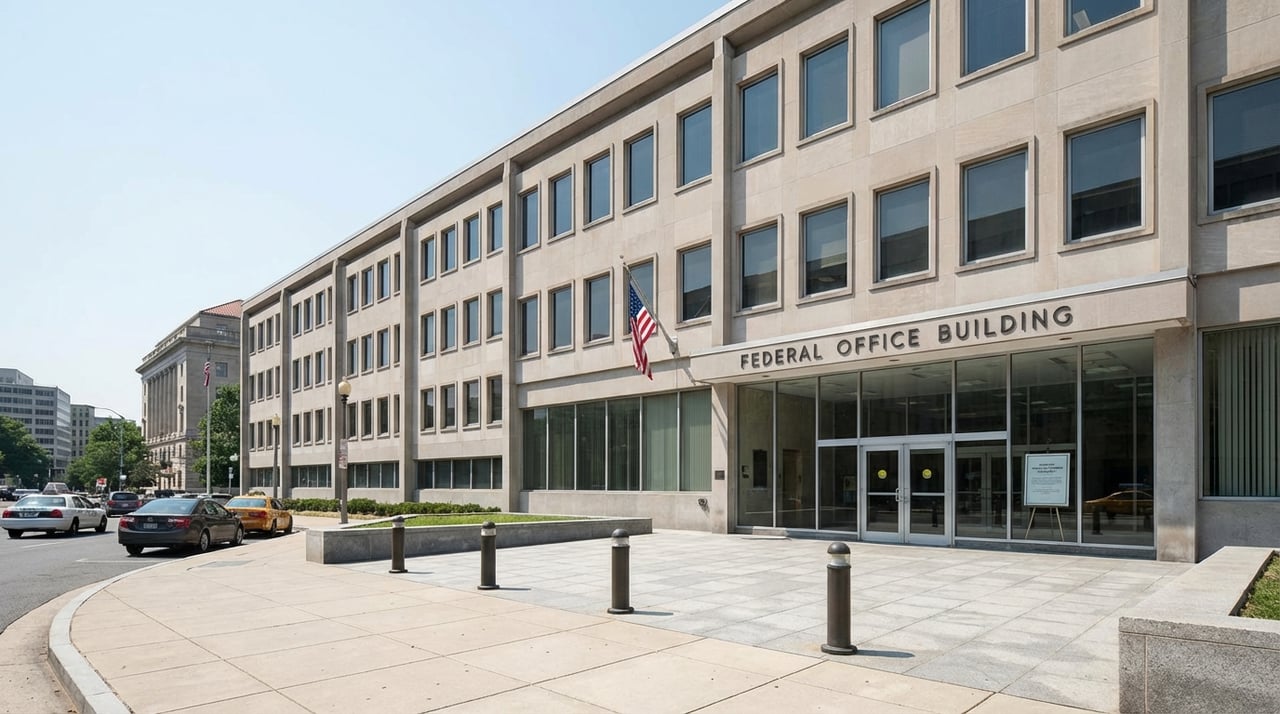
GSA's federal office disposition spree continues, with Southwest DC and Alexandria absorbing new supply as agencies like HUD relocate out of downtown.
Freddie Mac's 30-year rate climbed to 6.55% for the week ending July 16, its highest level since late May, reversing the brief dip to a seven-week low earlier this month.
Construction material costs face a new inflection point as the 10% global tariff framework sunsets July 24 and lumber prices hold near an eight-month high.
Renewed US-Iran hostilities in early July have unsettled the fragile ceasefire, injecting fresh uncertainty into bond markets and complicating the inflation outlook that has kept mortgage rates elevated since February.
Detailed Reports
Story 1: Federal Workforce Cuts Are Now Showing Up in the Rent and Price Data
What happened. A new Brookings Institution analysis of the DMV Monitor found that federal workforce reductions and contractor uncertainty between January 2025 and January 2026 significantly reduced housing demand across the region. Asking rents fell in every jurisdiction, with the steepest declines in the District (down 4.4%) and Arlington County (down 3.6%), while for-sale condo prices in the District now sit roughly 25% below 2019 levels in real terms.
Why it matters for the DMV. This is not a broad housing correction. It is a demand shock concentrated in the jurisdictions most exposed to federal employment. Condo owners and investors in the District face a widening gap between rising operating costs like insurance, taxes, and utilities, and falling achievable rents. That gap discourages investment in existing buildings and makes new construction harder to underwrite.
Who it impacts first. Investors and developers. Owners of DC condo and rental portfolios with federal-tenant concentration should reassess hold periods now, before further softening compresses exit valuations.
Story 2: GSA's Federal Office Sell-Off Keeps Reshaping Southwest DC and Alexandria
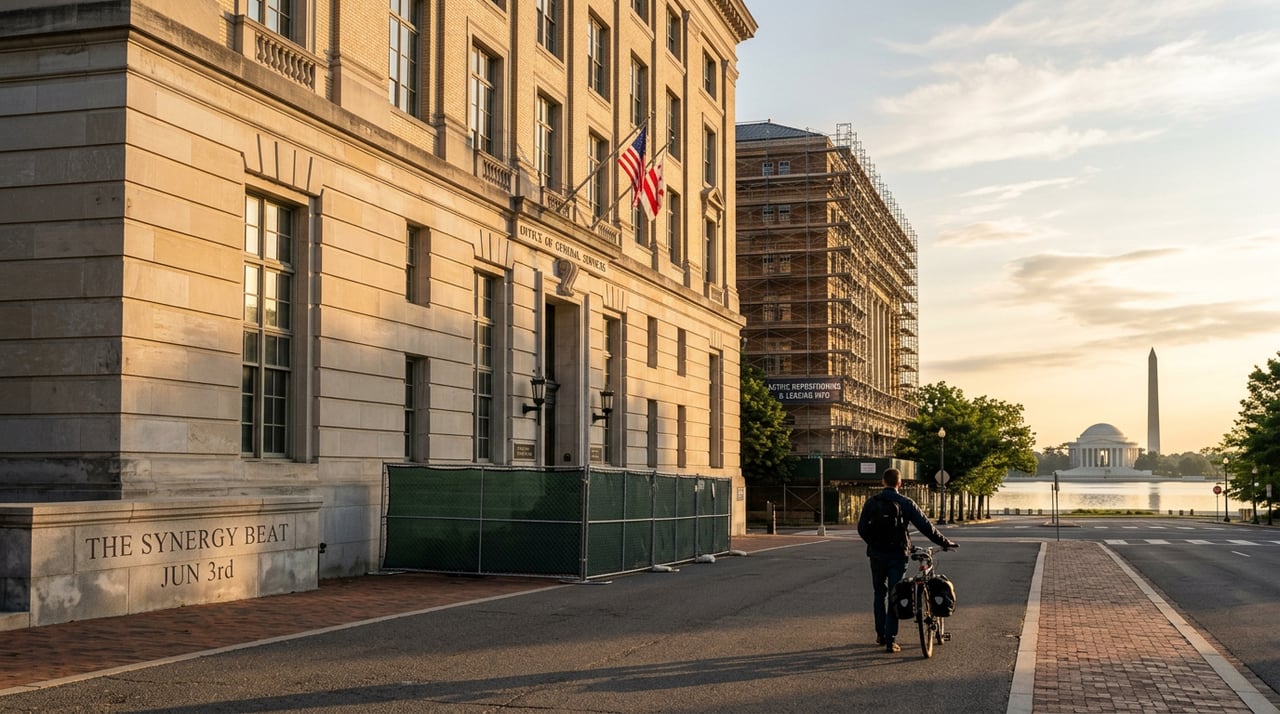
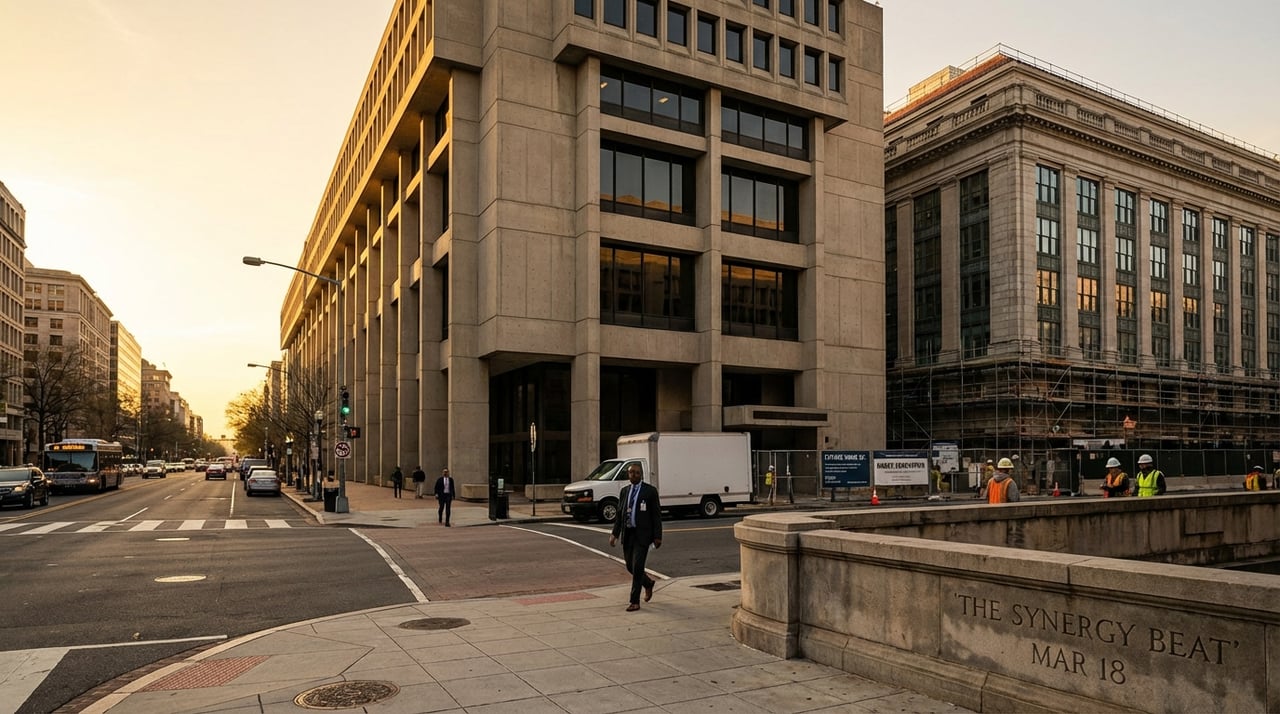
What happened. GSA's accelerated federal property disposition program continues, most recently with the sale of the historic Liberty Loan Building in Southwest DC, following earlier sales of the GSA Regional Office Building and the Old Post Office. Separately, HUD's relocation from its Weaver Building headquarters into the National Science Foundation's Alexandria campus remains under GAO review after lawmakers flagged cost overruns and legal questions about the move.
Why it matters for the DMV. Every one of these transactions pulls federal office square footage out of the District while adding new mixed-use conversion pipeline in Southwest DC and shifting federal-adjacent demand toward Alexandria and the broader Northern Virginia corridor. This is the physical mechanism behind the submarket divergence driving this year's DMV forecast.
Who it impacts first. Developers and investors. Southwest DC and the Eisenhower Avenue corridor in Alexandria both warrant a second look for adaptive reuse and residential conversion plays tied to these disposition sites.
Story 3: Mortgage Rates Climb Back to a Two-Month High After a Brief Dip
What happened. Freddie Mac's Primary Mortgage Market Survey showed the 30-year fixed rate rising to 6.55% for the week ending July 16, up from 6.49% the week prior and 6.43% two weeks ago, when rates had briefly touched a seven-week low following a soft June jobs report. The current reading is the highest since late May.
Why it matters for the DMV. The early-July dip proved short-lived, and buyers who were waiting for a sustained drop in borrowing costs are back to a less favorable setup. With no FOMC meeting until July 28-29, a sharp move in either direction before then is unlikely absent a data surprise, but the CPI release on July 15 and PCE on July 31 will be the next real signals for where rates head.
Who it impacts first. Buyers. Households in the $700K to $1.2M range should get pre-approved now to lock a rate ahead of the July 28-29 FOMC meeting rather than waiting on the sidelines for the recent dip to return. Rate movement in either direction can happen quickly once new inflation data lands.
Story 4: Construction Costs Face a New Inflection Point Ahead of the July 24 Tariff Deadline
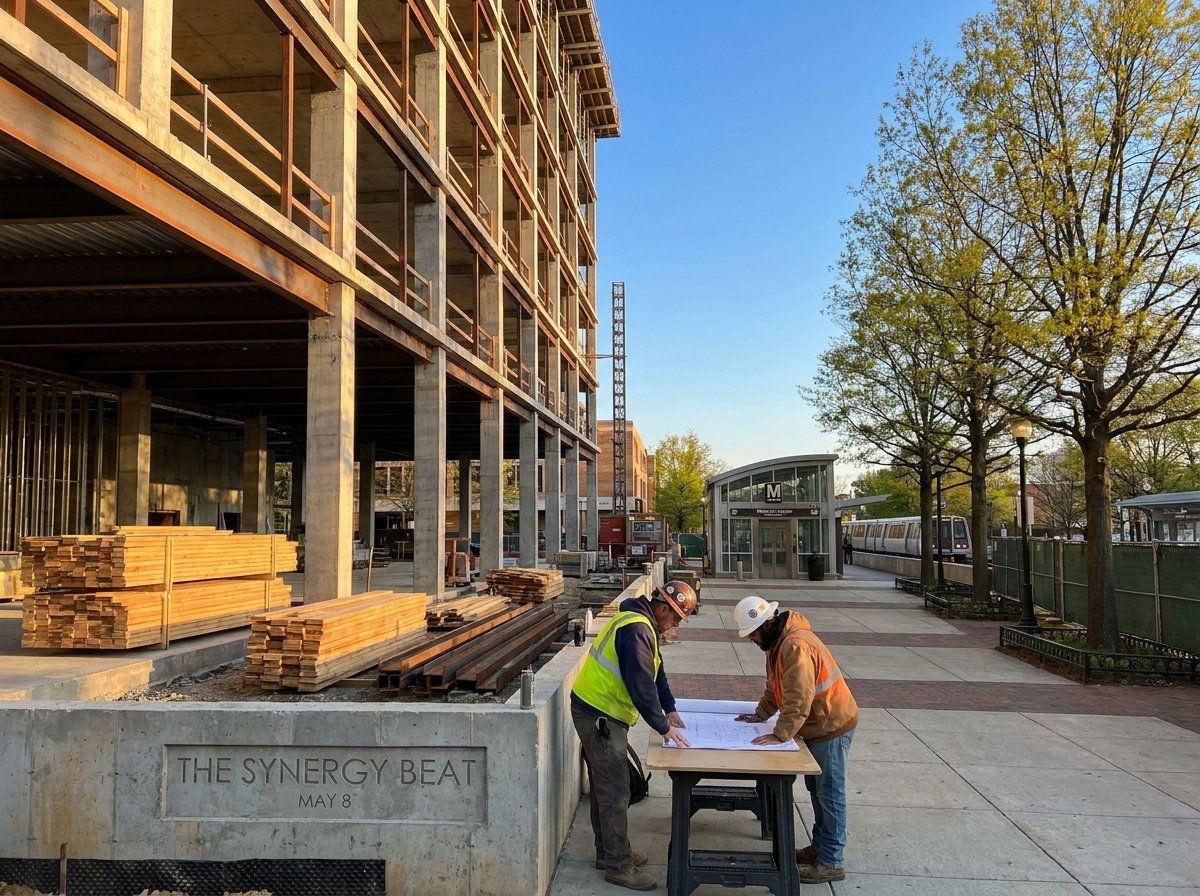
What happened. Lumber futures climbed above $630 per thousand board feet in mid-June, their highest level since October, before easing modestly to below $640 by mid-July. The broader 10% Section 122 global tariff framework is set to expire July 24, to be replaced by a more targeted, country-specific Section 301 structure, with Canadian softwood still carrying a combined tariff burden near 36% until revised duty rates take effect in August.
Why it matters for the DMV. For builders active in Bethesda, Kensington, and other DMV new-construction corridors, this is a live underwriting variable, not background noise. Contracts signed before July 24 lock in the current tariff basis. Anything signed after inherits a structure that has not been finalized.
Who it impacts first. Builders and developers. Anyone with a lumber-heavy buyout scheduled for late July or August should lock pricing now or add an escalation clause before the framework changes.
Story 5: Renewed US-Iran Tensions Add Fresh Uncertainty to the Rate Outlook
What happened. The fragile ceasefire that had held since April broke down in early July, with the US striking roughly 90 targets along Iran's coastline and Iran firing on US bases in Jordan, Kuwait, and Bahrain. Mediators have since worked to bring both sides back to the table, but as of this week no durable resolution is in place, and Washington has told Tehran the original ceasefire framework is no longer in effect.
Why it matters for the DMV. DMV affordability has been fighting two headwinds at once this year: local federal-employment uncertainty and a national inflation premium tied to Middle East risk. Rather than easing, that geopolitical risk premium has reasserted itself over the past two weeks, which helps explain why mortgage rates climbed back up rather than continuing to fall.
Who it impacts first. Buyers and investors. This is a macro risk to watch, not a tailwind to bank on right now. Until there's a durable resolution, expect rate volatility to track headlines out of the region rather than a steady downward path.
Investor Insight of the Week
The most investable signal this week is not the rate move. It is the widening divergence between the District's federally-exposed rental stock and Montgomery and Fairfax counties' more insulated single-family markets. Capital chasing DMV real estate right now should treat DC condos as a value trap unless acquisition basis reflects a further 10 to 15% reset, while directing acquisition activity toward suburban submarkets less tethered to federal employment. Price federal exposure into every DMV acquisition model this quarter, not just cap rate.
The Synergy Synthesis
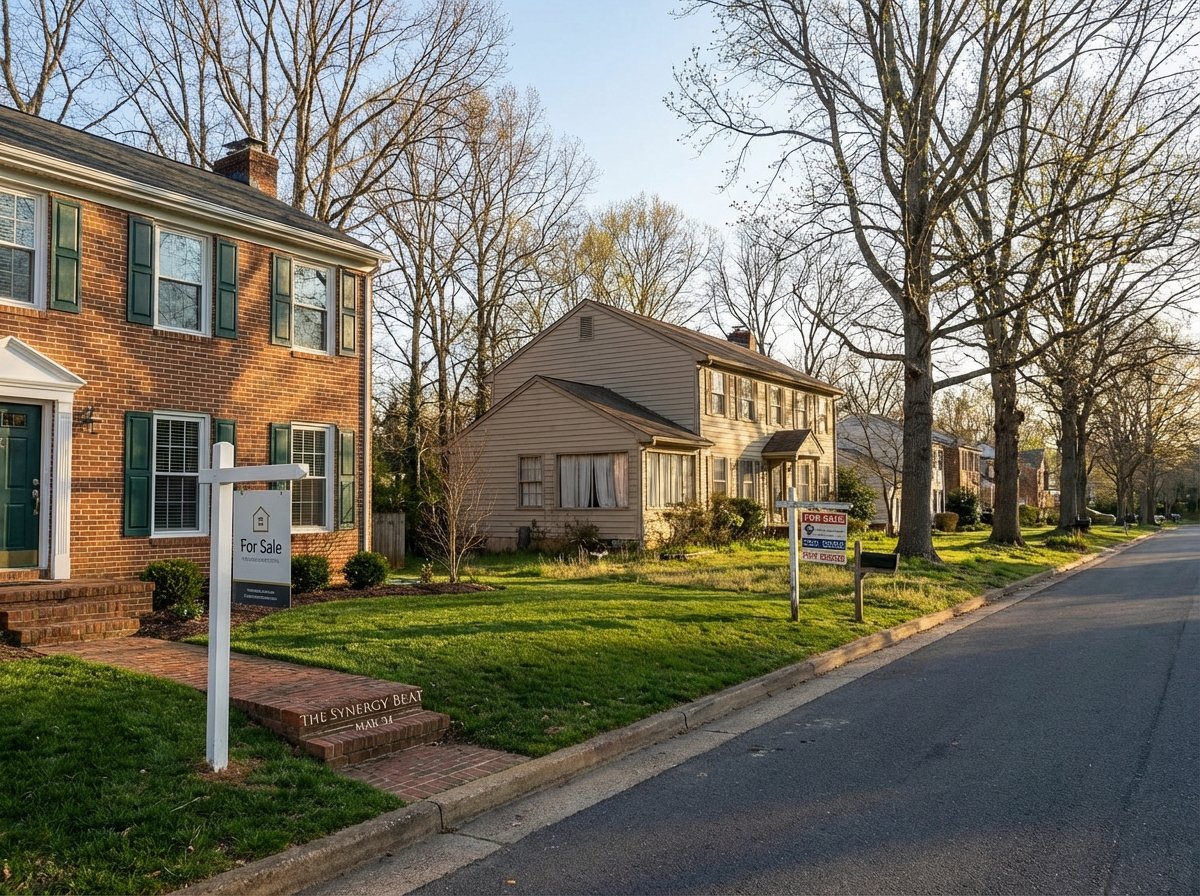
Two DMV submarkets illustrate exactly how uneven this reset has become. In the District's NoMa and Navy Yard condo corridors, the Brookings data lines up with what agents on the ground are already seeing. Units that would have carried a premium in 2022 are now competing on price against a growing pool of federal-employee-owned inventory hitting the market. Layer in rising condo fees and insurance costs, and the math on these units has gotten materially harder for both owner-occupants and small investors. Bethesda and Chevy Chase single-family inventory, by contrast, is holding value far better. Buyers here are less exposed to any single employer or agency, inventory remains comparatively tight relative to demand, and the luxury segment specifically continues to outperform the broader market.
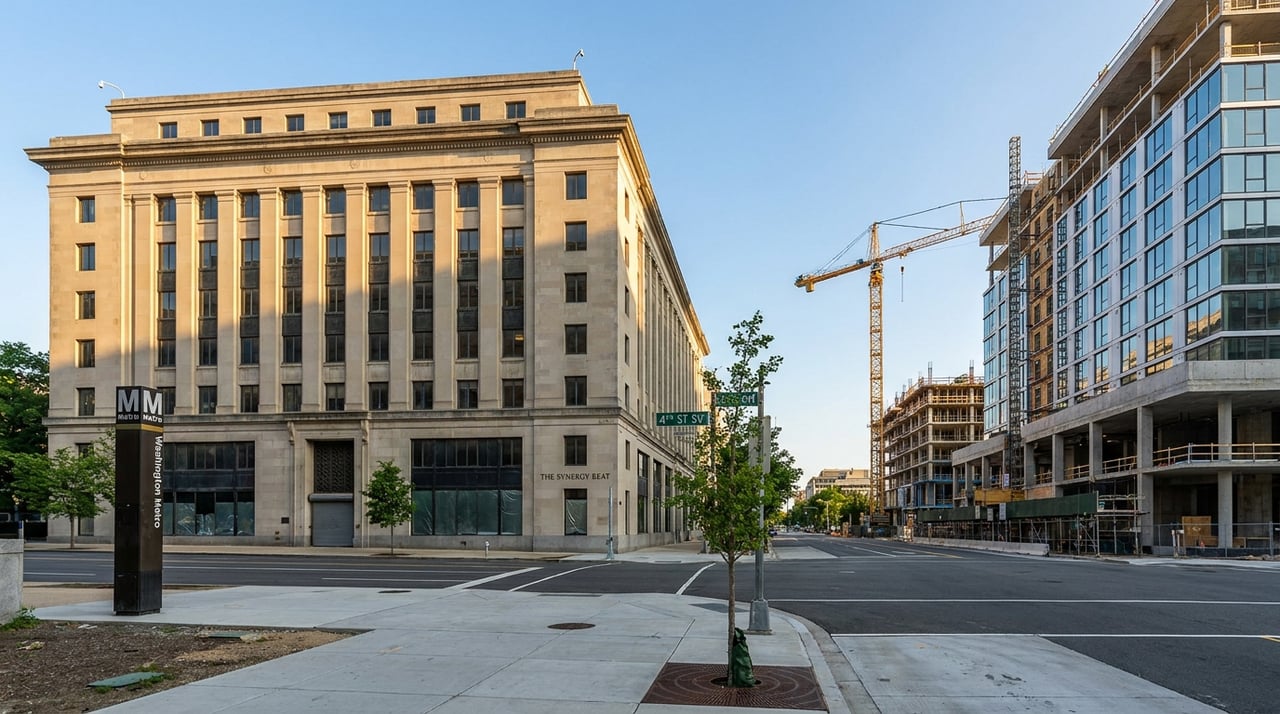
The clearest opportunity sits at the intersection of GSA's disposition program and Southwest DC's adaptive reuse pipeline. Buildings like the Liberty Loan Building and the former DHS regional office are trading well below replacement cost, with a redevelopment thesis that does not depend on a federal tenant ever coming back. The clearest risk is concentrated in unrenovated District condo stock still carrying legacy pricing assumptions from 2019 to 2021. Owners who have not repriced to reflect the region's federal employment reset are likely to see extended days on market and further erosion in achievable price.
What This Means for You
If you're buying, rates have climbed back to a two-month high after a brief early-July dip, and DMV inventory sits near a two-year high. Get pre-approved now and negotiate hard on listings already carrying extended days on market, especially in the $700K to $1.2M range.
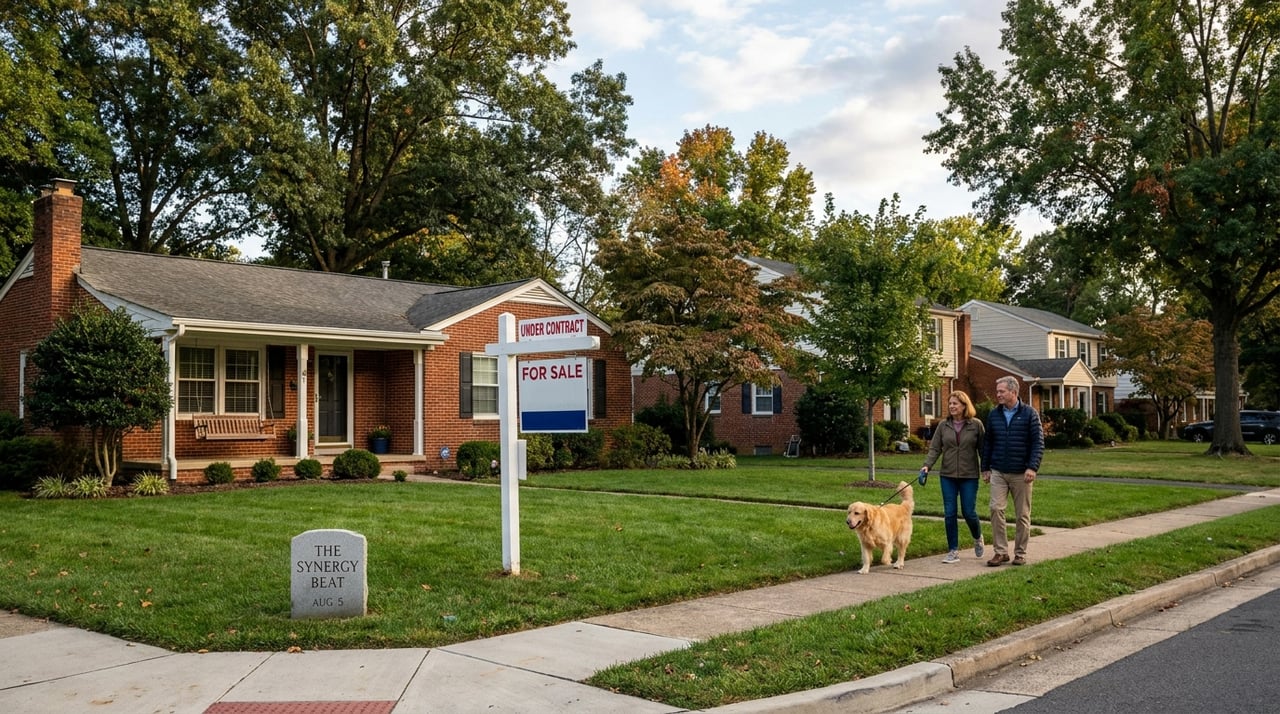
If you're selling, District condo sellers should reprice to reflect the region's federal-employment reset rather than holding out for 2022-era comps. Suburban single-family sellers in Montgomery and Fairfax counties still hold real pricing power.
If you're investing, treat DC condo exposure as a value trap unless acquisition basis reflects a further reset. Redirect capital toward suburban rental stock and GSA-adjacent redevelopment sites in Southwest DC and the Alexandria corridor.
If you're building, lock lumber and steel pricing or add an escalation clause before the July 24 tariff transition, and evaluate adaptive reuse plays tied to GSA's ongoing federal office disposition list.
With data as our compass and community as our core, The Synergy Group of Compass helps clients read the DMV story that federal policy, not national headlines, is actually writing, and act on it while the leverage is still there. In a market this uneven, block by block, having someone who reads it every day by your side is what separates a good decision from a costly one.