This Weekend, 200,000 People Will Watch IndyCars Race Past the Capitol
A first-of-its-kind street race, a shutdown that didn't happen, and a new number on what it actually costs to live here.
Weekly Snapshot
The Washington DC real estate market gets a genuinely unusual news week to work with. This Saturday and Sunday, IndyCars will race at 180 miles an hour past the Capitol and the Washington Monument for the first time in the city's history. Days earlier, the Senate quietly cleared the funding fight that had the region bracing for a third shutdown of the year. And a new report just put a hard number on what it costs a family to live comfortably in Maryland and Virginia, with a wrinkle in the data that most coverage has skipped past.
Top Headlines
- The first ever NTT IndyCar race on the National Mall takes over downtown Washington this weekend, with close to 200,000 fans expected and tens of millions in economic impact.
- The Senate passed a funding deal on August 8 that clears the government's biggest fiscal cliff of the year, avoiding a third shutdown and funding federal agencies through December 11.
- A new cost of living report puts the price of a comfortable life for a family of four at $257,837 in Maryland and $242,944 in Virginia, and one number inside the data cuts against the headline.
Detailed Reports
1- The Capitol Just Became a Racetrack
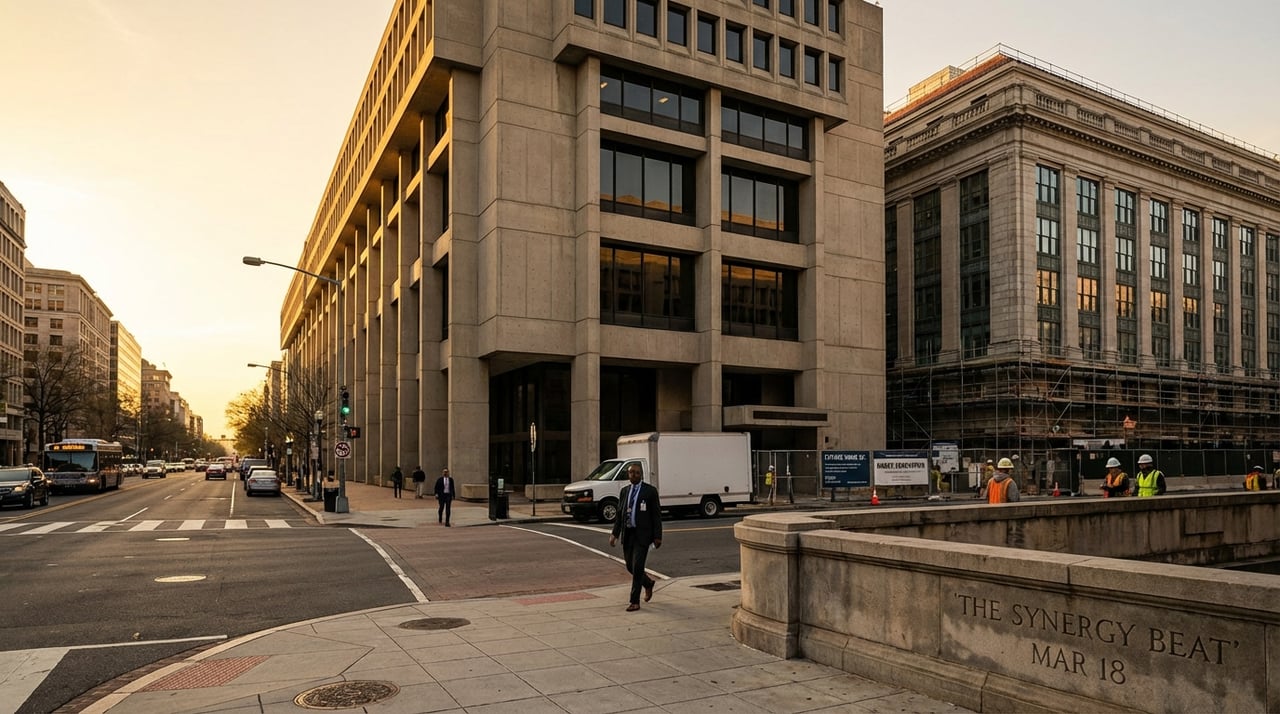
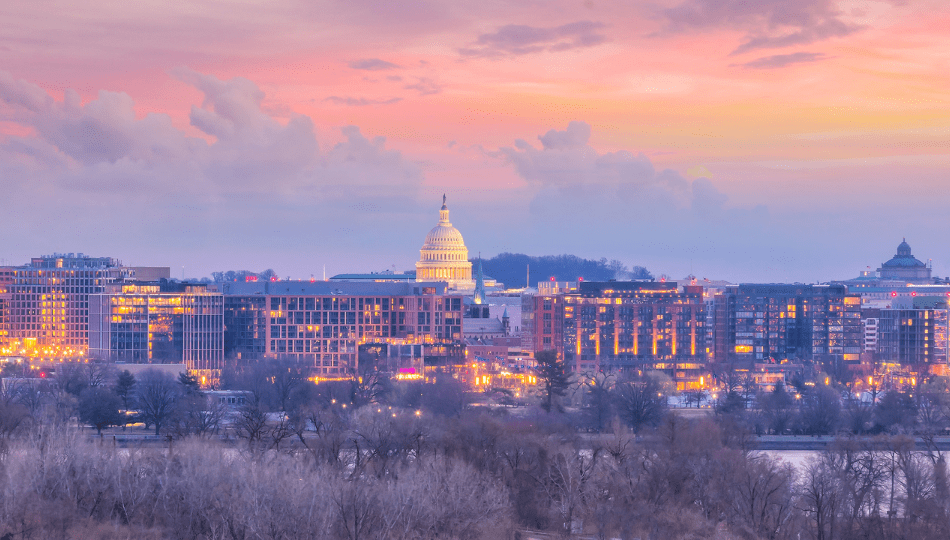
Pennsylvania Avenue traded motorcades for race cars this month. The Freedom 250 Grand Prix, the first NTT IndyCar Series race ever held on the National Mall, runs Saturday and Sunday on a 1.7 mile, seven turn street circuit that passes the Capitol, the Washington Monument, the National Air and Space Museum, and the National Archives. The event is part of the America250 celebration marking the country's semiquincentennial, and it was set in motion by executive order back in January. General admission tickets were free, and the request window has already closed. The main race airs live on FOX Sunday afternoon.
The disruption is real. Road closures and parking restrictions have been rolling out for weeks and some remain in place into September. Four Smithsonian museums along the Mall have modified access, Reagan National is pausing flights during race windows, and DC's interim police chief has warned residents to plan around the course entirely rather than through it. Mayor Bowser has been blunt about the trade she's making. Thousands of visitors booking hotel rooms and filling restaurants across a nationally televised weekend generate jobs and revenue for the city, and organizers expect the race to draw close to 200,000 fans and generate tens of millions of dollars in local economic activity. Bowser has said she wants it to become an annual fixture.
For a downtown core still working through post pandemic office vacancy, hosting a globally broadcast event of this scale on the Mall itself is a signal as much as it is a weekend. Hotel occupancy, short term rental demand, and restaurant reservations in the ticketed zones are the immediate story. The longer story is what it tells hospitality and residential investors about whether downtown DC can still pull a crowd on command.
Source: WTOP, "What locals, spectators and tourists should know about the Freedom 250 Grand Prix in DC," August 2026.
2- The Shutdown That Didn't Happen
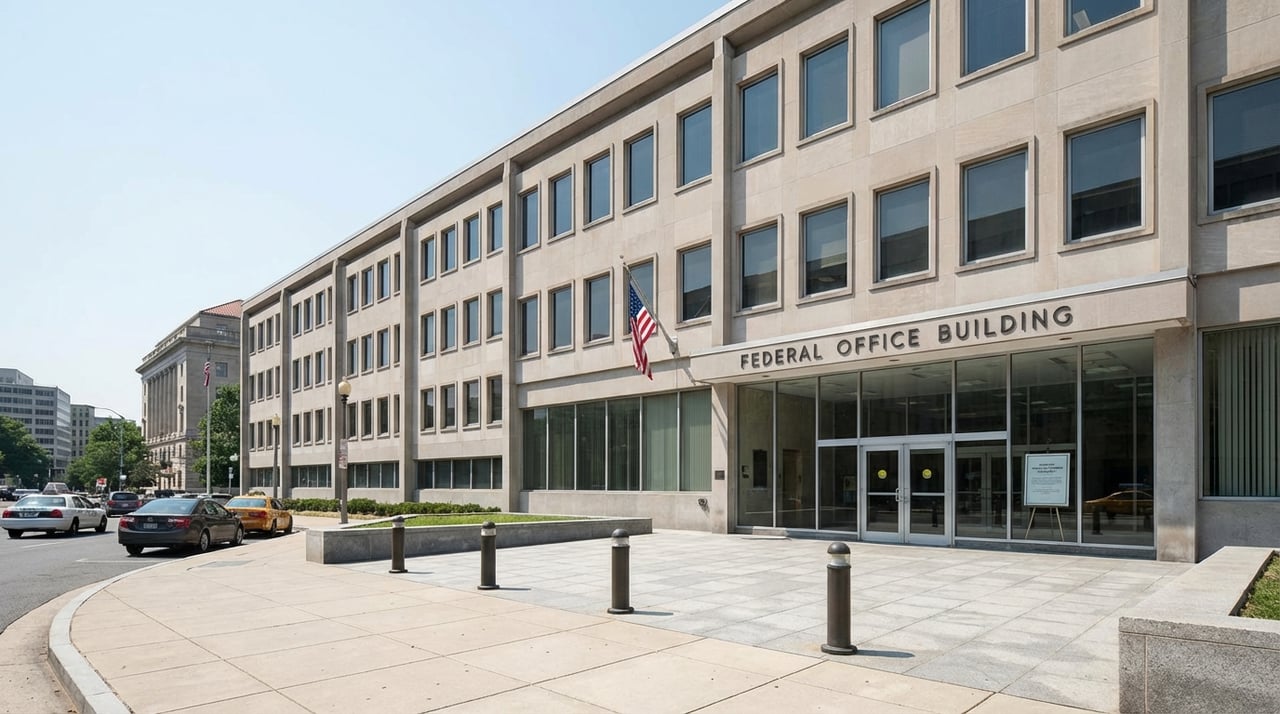
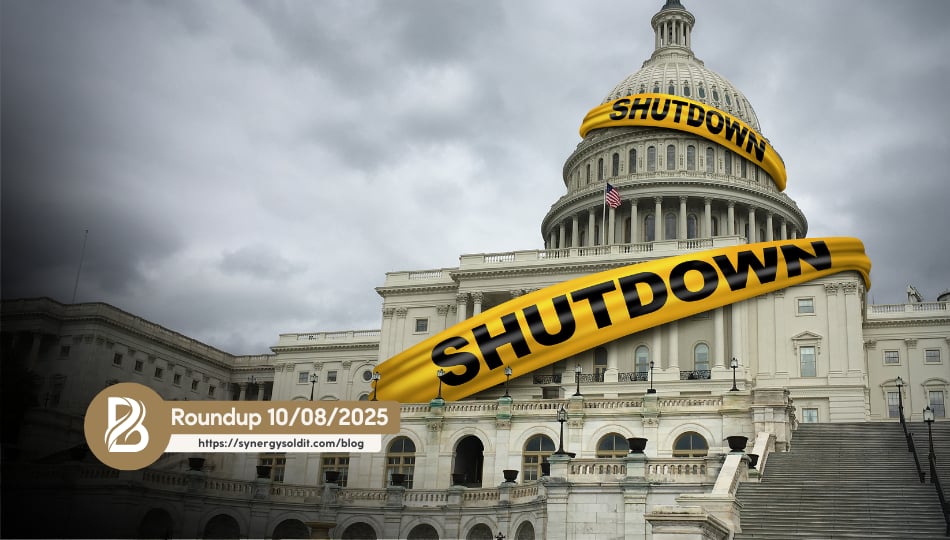
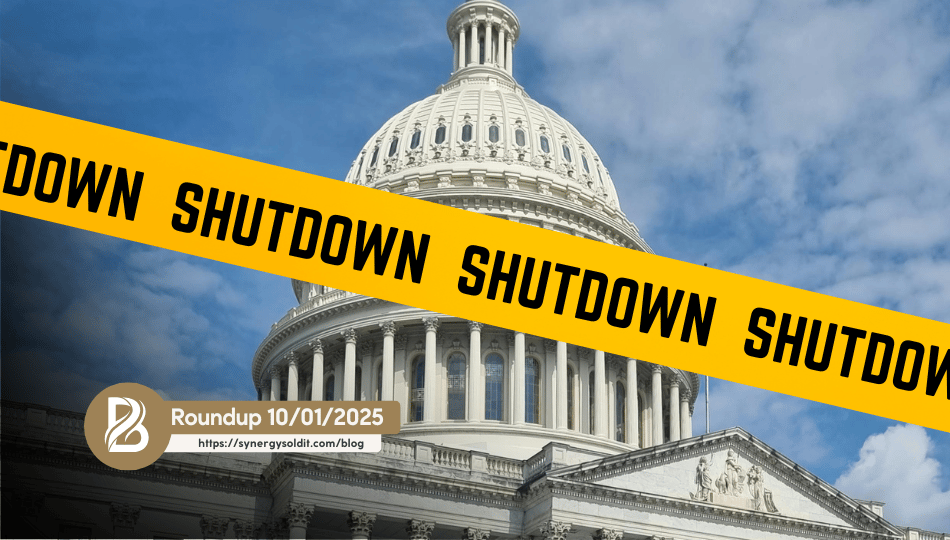
Washington has already lived through two federal shutdowns this year, including a 76 day DHS specific shutdown that ran from mid February through the end of April, the longest in that department's history. With funding for fiscal year 2027 set to expire October 1, the region was bracing for a repeat. Instead, the Senate passed a continuing resolution on August 8 by a 90 to 6 vote, funding the government at 2026 levels through December 11 and extending surface transportation programs along the way. Only six senators voted no. The bill now sits with the House, which returns from recess in early September and needs to reconcile its own December 4 target with the Senate's December 11 date before it reaches the President's desk.
The stakes for DMV households are not abstract. A GS 13 employee at step five in the DC locality loses roughly $5,291 in gross pay for every biweekly period a shutdown lasts. Back pay is now legally guaranteed, and DHS employees did eventually receive their full 76 days of it in early May, but that money arrives after the gap, not during it. That kind of delayed cash flow tends to freeze buyers who are otherwise ready to close, particularly households counting on two incomes to qualify.
Clearing the October cliff before the fall selling season removes that hesitation for federal buyers for at least the next several months. December 11 is now the date to watch instead, and the House still has to act. Four months of certainty is still the most stable stretch federal households have had all year.
Source: FedTools, "Government Shutdown October 2026: Senate Passes CR 90-6," updated August 9, 2026.
3- What It Actually Costs to Live Here, and the Number Nobody's Reporting
A new SmartAsset study released this week puts hard figures on what comfort costs in 2026, and the topline is stark. A family of four now needs a pre-tax income above $200,000 to live comfortably in 40 states, including both Maryland and Virginia. In Maryland, that number is $257,837 for a family of four and $107,910 for a single adult, ranking the state tenth highest in the country. Virginia sits just behind at $242,944 for a family of four and $106,995 for a single adult, twelfth highest nationally. Massachusetts tops the list at $329,555 for a family of four, while Mississippi remains the most affordable state in the country.
One number inside that report cuts against the headline, and most coverage on it has missed the point entirely. Maryland is one of only six states in the country where the income a single adult needs to live comfortably actually went down from 2025 to 2026, even as the family of four number stayed near the top of the national rankings. Single adult costs in Maryland, driven heavily by rent and smaller household expenses, are cooling even as family sized housing and childcare costs keep climbing.
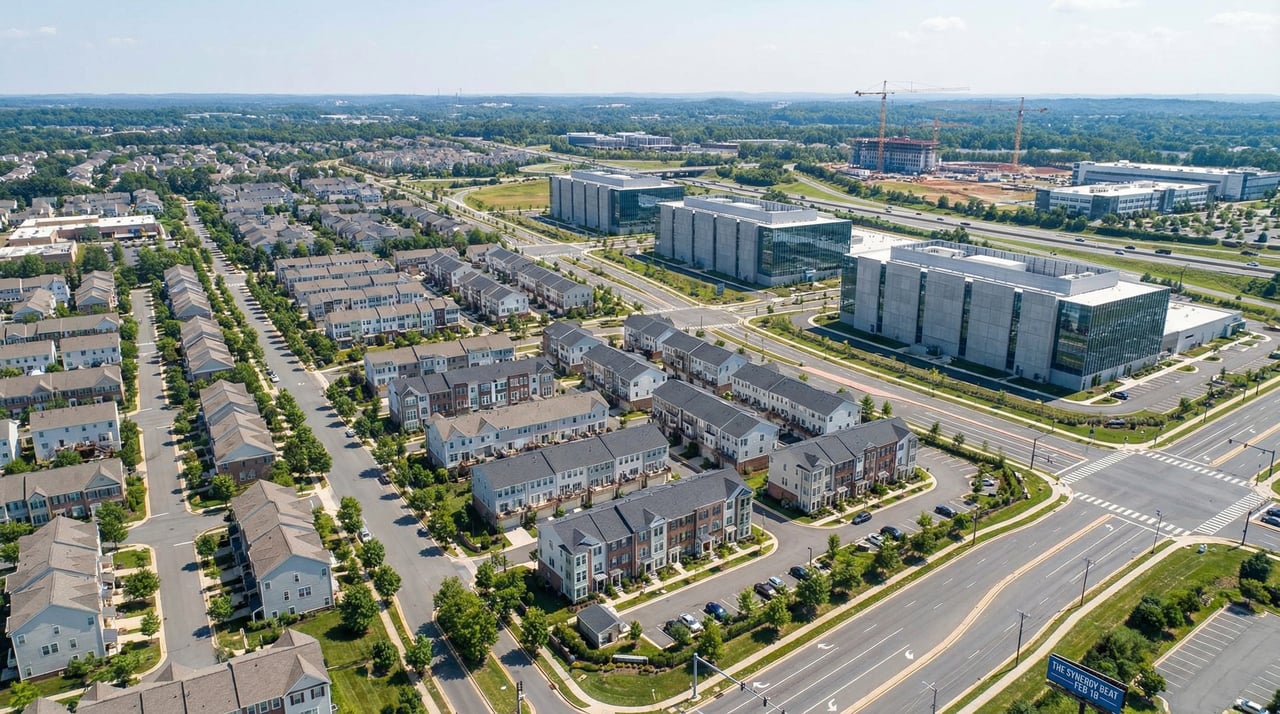
That split matters for anyone reading this market by product type instead of by headline. It suggests the pressure in Maryland right now sits disproportionately in family sized inventory, the four bedroom colonials and townhomes with good school districts, while the one and two bedroom condo and rental segment may be facing less upward cost pressure than the state's overall ranking implies.
Source: FOX 5 DC, "You must earn this much to live comfortably in Maryland, Virginia in 2026: report," August 18, 2026.
Investor Insight of the Week
The split inside Maryland's cost of living data deserves more attention this week than the headline number does. If single adult costs are easing while family sized costs keep climbing, that's a signal to look harder at one and two bedroom condo inventory in Maryland submarkets right now, particularly anything priced for a single professional buyer rather than a family. That segment may be absorbing less cost pressure than the state's overall ranking suggests, which means it could be underpriced relative to where the broader affordability narrative says it should sit.
The Synergy Synthesis — Market Verdict
Put these three stories side by side and the theme is confidence that keeps getting tested and keeps holding up. A city willing to shut down its own monumental core for a nationally televised race is a city betting its downtown can still perform on the biggest stage available. A Senate that found bipartisan votes to clear a funding cliff months ahead of the deadline, after two shutdowns already this year, is a government buying its own workforce a rare stretch of predictability. And a cost of living report that looks alarming on its surface turns out, on a closer read, to show costs easing for exactly the household segment, single adults and smaller households, that drives a meaningful share of DMV rental and condo demand.
None of these stories are about interest rates or inventory counts, and that's exactly why they matter more than the usual weekly noise. A race weekend tests whether downtown DC can still draw a crowd. A funding deal tests whether federal households can plan a fall purchase without fear of a missed paycheck. A cost of living report, read past its headline, tests whether the region's affordability problem is as uniform as it's usually described.
The read for the back half of 2026 is that DC's core is actively proving out its event economy, federal demand just got a genuine green light through the fall, and Maryland's affordability story is more nuanced by household size than the topline number suggests.
What This Means for You
If you're buying, federal households now have a clear runway through December 11 without shutdown risk, and if you're a single buyer or a couple without kids house hunting in Maryland, the data suggests your segment may be facing less cost pressure than the state's overall ranking implies.
If you're selling, a nationally televised weekend downtown and a cleared funding cliff both support buyer confidence heading into fall, so listings that lean on DC's core vitality and federal household stability have a stronger story to tell right now than they did over the summer.
If you're investing, Maryland's one and two bedroom condo and rental segment is worth a closer look given the divergence between easing single adult costs and climbing family sized costs, and downtown DC hospitality assets just got a real world stress test for whether the core can still draw a nationally broadcast crowd.
If you're building, the Freedom 250's economic performance this weekend will be closely watched as a template for future large scale downtown events, and any signal that it succeeds strengthens the case for continued investment in downtown DC's residential and hospitality pipeline.
Frequently Asked Questions
Will the Freedom 250 Grand Prix become an annual event in DC? Mayor Bowser has said she hopes it will, though no formal commitment has been made yet. The race is being treated as a test case for whether Washington's downtown core can successfully host a large scale, nationally televised event.
Is there still a risk of a government shutdown this year? The immediate October 1 risk was cleared when the Senate passed a continuing resolution on August 8, funding the government through December 11. The House still needs to act in September, and December 11 is now the next date to watch.
How much does a family need to earn to live comfortably in Maryland? A family of four needs a pre-tax income of $257,837 to live comfortably in Maryland in 2026, according to a new SmartAsset study, ranking the state tenth highest in the country.
How much does a family need to earn to live comfortably in Virginia? A family of four needs a pre-tax income of $242,944 to live comfortably in Virginia in 2026, ranking the state twelfth highest nationally, just behind Maryland.
Is Maryland getting more or less affordable? It depends on household size. Maryland is one of six states where the income needed for a single adult actually decreased from 2025 to 2026, even as the family of four cost stayed among the highest in the country.
How does the funding deal affect DMV homebuyers? A large share of DMV buyers depend on federal salaries or contracting income. Clearing the October shutdown risk through December 11 removes a source of income uncertainty that had been weighing on federal household purchase decisions.
With a race weekend testing downtown Washington's biggest stage and a funding deal buying federal households a season of certainty, The Synergy Group of Compass helps clients see past the headlines and into what is actually moving value across the region. Stay ahead of the market with expert insights, real-time data, and stories shaping the Washington D.C., Maryland, and Virginia real estate landscape.